P1739 Code: Meaning, Symptoms, Causes and Repair Options
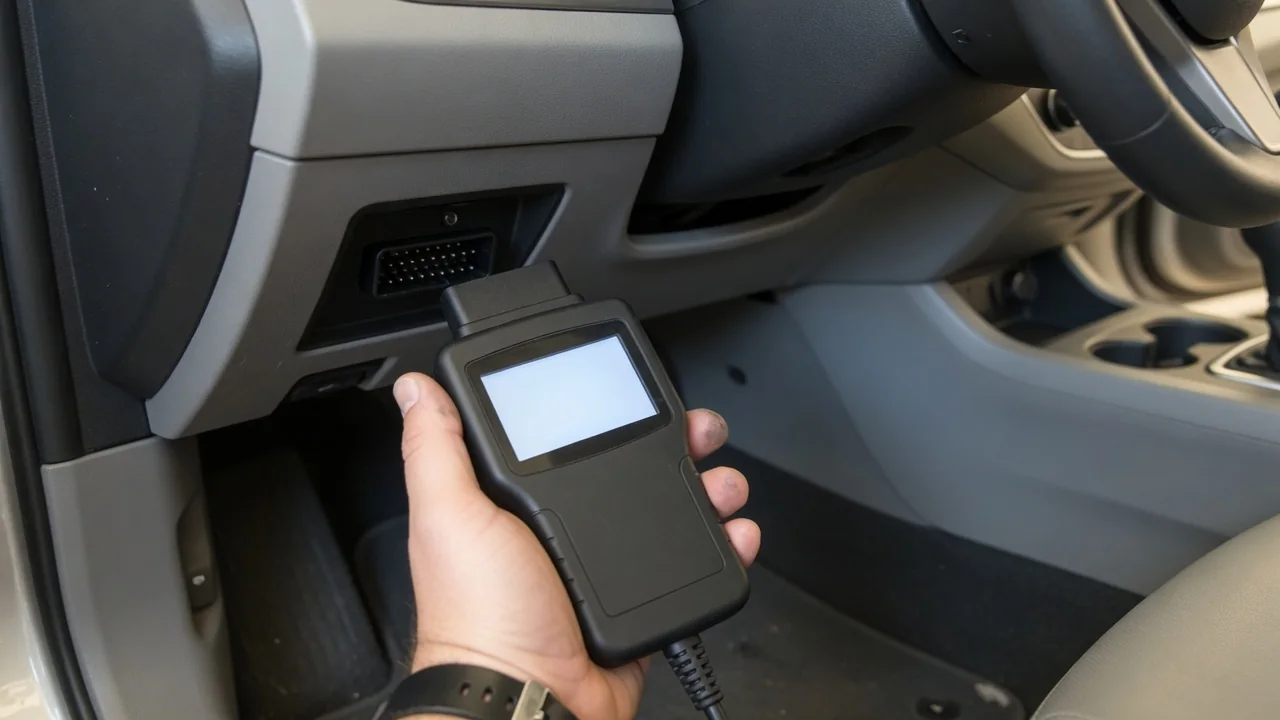
A P1739 trouble code can be confusing because it does not have one fixed meaning for every vehicle. Like other P1xxx codes, the definition comes from the manufacturer’s powertrain control module, so it can point to a transmission pressure issue on one model, an emissions-related solenoid on another, or a completely different circuit on a third. Reading the number alone on a basic scan tool won't tell you what is wrong. To interpret the code correctly, you need the exact make, model, year, engine, and transmission, plus the code definition stored by that vehicle's control module.
What the P1739 Code Means and Why Its Definition Depends on the Vehicle
P1739 falls into the manufacturer-specific range of OBD-II diagnostic codes, running from P1000 up through P1999. Within that range, automakers assign their own definitions, so the same code may indicate a transmission solenoid problem, a camshaft actuator fault, a pressure control issue, or another condition entirely depending on the vehicle. There is no universal table that lists every P1739 meaning across all brands, and a definition found online for a different model may be misleading.
When the check engine light comes on with this code stored, the control module has detected an electrical or performance irregularity in whichever circuit it monitors. The light itself doesn't reveal severity or which component is at fault. A manufacturer-specific code like P1739 tells you where to start looking, but it is not proof that a particular sensor, solenoid, or module has failed. Always confirm the code definition for your vehicle before deciding what steps to take.
How to Confirm the Correct P1739 Definition for Your Vehicle
A scan tool that reads manufacturer-specific codes is essential for getting the vehicle-specific description. Many professional-level tools and some enhanced consumer tools can display the full code text reported by that vehicle's control module, such as 'Pressure Control Solenoid B Stuck Off' or 'Camshaft Position Actuator Circuit High.' If your tool only shows the number P1739 or a generic statement like 'Manufacturer Controlled Transmission,' the information is not complete enough to diagnose the fault.
Once you retrieve the description, write down the full code text, any other stored or pending codes, and the freeze frame data that captures engine conditions when the light came on. Note whether the light is steady or flashing and what you were doing when it appeared. Manufacturer service information—available through a dealer, a qualified independent shop, or a subscription service—should be used to confirm the definition and find the diagnostic steps for your exact application.
Symptoms Drivers May Notice With a Stored P1739
Symptoms differ widely because P1739 can relate to the transmission, engine timing, emission controls, or another system depending on the vehicle. Some drivers may notice no change in operation at all, while others may feel harsh or delayed shifting, reduced acceleration, or unexpected downshifts. The vehicle may enter a protective or limp mode that limits speed and prevents certain gears, which is a clear sign to have the code checked soon.
Any drivability change should be written down as it happens, including whether the concern appears cold or hot, at idle or highway speed, under hard acceleration or only with a trailer. Intermittent codes are especially hard to diagnose, so accurate notes help a technician reproduce the condition. If the vehicle stalls, loses power in traffic, or shows flashing or red warning lights, stop driving when it is safe and have it towed rather than risk further damage or a collision.
Possible Cause Categories Once the Meaning Is Verified
After the P1739 definition has been confirmed for your vehicle, possible causes generally sort into a few categories. Electrical issues such as damaged wiring, corroded connectors, or a short or open in the monitored circuit can set a code even when the component itself is fine. A faulty sensor or actuator—like a pressure switch, solenoid, or position sensor—may also trigger the code, but that part must be tested before replacement.
Fluid conditions can play a role in many transmission-related codes. Low, dirty, or overheated transmission fluid may create pressure changes that the control module reads as a solenoid or circuit fault. Mechanical problems deeper in the monitored system, or a software glitch in the control module, are also possibilities. Often, other stored codes point to a shared power supply, ground, or communication problem, so never diagnose P1739 in isolation.
What Professional Diagnosis of P1739 Usually Involves
A professional diagnosis typically begins with verifying the exact definition for that vehicle and reviewing all stored and pending codes along with freeze frame data. The technician will then observe live data from the suspect circuit, looking for values that are out of range or that change when the wiring is moved. Following the manufacturer's pinpoint test procedure is critical, because each automaker specifies different resistance readings, pressure checks, and connector locations.
Depending on the definition, testing may involve checking wiring continuity with a digital multimeter, monitoring transmission fluid pressure with a gauge, or using a lab scope to watch an electrical signal under load. Manufacturer technical service bulletins and software updates are checked, but because bulletins vary by VIN and production date, a specific bulletin can only be confirmed with dealer-level information. If the fault is intermittent, the vehicle may need a road test with the scan tool attached or kept for repeated cold-start observations before the cause is found.
Repair Options, Clearing the Code and Next Steps
The correct repair depends on the verified definition and the test results. Replacing a solenoid or sensor based only on the code number often fails to fix the root cause and wastes money on unnecessary parts. For example, a wiring harness rub-through may mimic a failed solenoid, or low transmission fluid may be the actual problem when a pressure code is stored. The diagnostic time spent confirming the cause usually costs less than avoidable component replacement.
If a basic scan tool was used to clear the code without any repair, the light may stay off temporarily, but the control module will run its monitors again and likely store the same code after one or more drive cycles. Owners can safely record symptom details, look for obviously loose or damaged connectors they can reach without removing parts, and keep all repair records. If the vehicle drives poorly or the light returns promptly, book a professional diagnosis and bring your symptom notes, the full code text, and any freeze frame data you saved.