P1718 Code: Meaning, Causes and Fixes
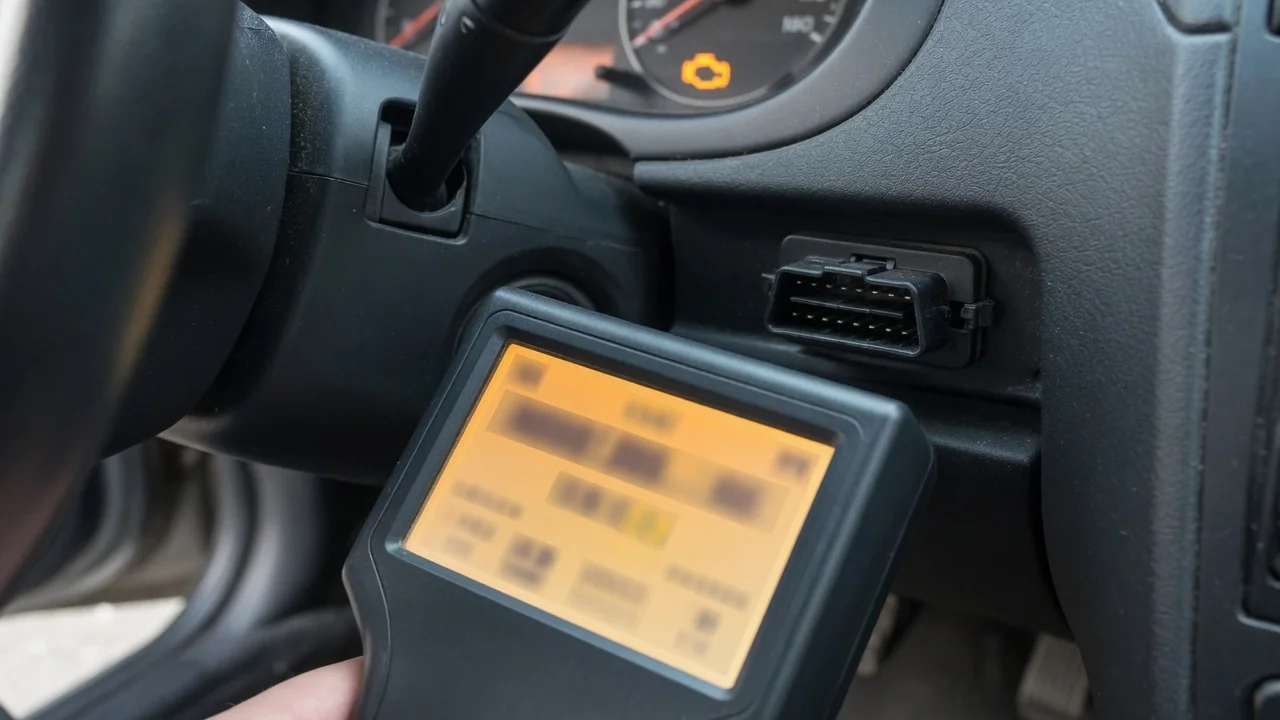
A P1718 code is a manufacturer-specific trouble code, meaning its definition changes depending on your vehicle’s make, model, year, and engine. Unlike generic OBD-II codes, P1xxx codes require a vehicle-specific interpretation. You may notice a check engine light or drivability issues, but the exact meaning can only be confirmed with an enhanced scan tool or factory service information. This article explains how to interpret the code, typical symptoms, possible causes, and safe diagnostic steps before visiting a shop.
What the P1718 Code Means and Why It Varies by Manufacturer
P1718 is a manufacturer-specific trouble code, so it does not have a single universal definition across all vehicles. The same code can correspond to different circuits or components depending on the automaker. For example, it might relate to a transmission sensor on one brand and an engine control issue on another. Because of this variance, any general description you find online may not apply to your specific vehicle.
To interpret P1718 correctly, you must confirm the definition for your exact make, model, year, and engine. Reliable sources include an enhanced or manufacturer-level scan tool, factory service information, or a dealer/qualified shop with access to proprietary data. Generic code lists or forum posts that apply one brand’s definition to every vehicle can lead to misdiagnosis. The code only identifies the circuit or condition the control module flagged; it does not name a failed part.
Symptoms Drivers May Notice With a P1718 Code Stored
Symptoms associated with P1718 depend entirely on which system the manufacturer has tied the code to, so there is no fixed symptom list that applies to every vehicle. Some drivers may see only an illuminated check engine light, while others notice changes in drivability such as rough shifting, hesitation, or reduced power. Warning messages on the instrument cluster, such as a transmission warning or service engine soon, may also appear.
It is helpful to record when symptoms occur—for instance, during a cold start, after warm-up, at highway speed, or in a specific gear or load condition. Some vehicles with P1718 stored may show no noticeable symptoms at all, while others may limit performance to protect components. If you experience sudden loss of power, unusual noise, smell, or overheating, you should stop safely and seek professional help immediately, as these can indicate a serious fault.
Possible Causes Once the Vehicle-Specific Definition Is Known
Once you have confirmed the vehicle-specific definition of P1718, possible causes can be grouped into categories: sensor faults, wiring or connector problems, circuit issues, or the monitored component itself. Damaged, corroded, or loose electrical connections often trigger circuit-related codes and should be ruled out early in diagnosis. Visual inspection of the relevant wiring harness and connectors can reveal obvious problems before deeper testing.
Low voltage from a weak battery or charging system problems can affect control module readings and set unrelated codes, including P1718. Control module software glitches or internal module faults are possible but should be confirmed through professional testing rather than assumed. Avoid ranking causes by how often they happen or naming specific parts without the manufacturer’s definition, as doing so can lead to unnecessary parts replacement.
Safe First Checks You Can Do Before Visiting a Shop
Before visiting a shop, you can perform some safe first checks. Start by reading all stored and pending codes plus freeze frame data with an OBD-II scanner. Related codes can help narrow down the fault, and freeze frame data shows the conditions when the code was set. This information is valuable for the technician and can save diagnostic time.
With the engine off and cool, perform a careful visual inspection of obvious wiring damage, unplugged connectors, and fluid levels or leaks where your owner’s manual shows how to check them. Check the battery condition and terminals, because unstable voltage can cause misleading codes. Do not clear the code without fixing the cause, as this only hides the problem and can reset readiness monitors, complicating future diagnosis. Avoid disconnecting components, probing live circuits, or working under a raised vehicle without proper training and equipment.
How Professionals Diagnose P1718
Professional diagnosis of P1718 typically begins by confirming the exact definition for the vehicle, checking for technical service bulletins, and reviewing live data and freeze-frame data. Technicians use enhanced scan tools to access manufacturer-specific information and may follow pinpoint tests that include circuit, voltage, and resistance checks against factory specifications. These tests help isolate whether the fault is in the sensor, wiring, or control module.
A road test that recreates the conditions recorded in the freeze-frame data can confirm whether the fault is present now or intermittent. The repair is chosen based on test results rather than by swapping parts based on the code alone. When dealing with a shop, ask which test confirmed the fault and what data supports the repair they recommend. A credible technician should explain the diagnostic evidence clearly.
Fixing the Problem and Confirming the Repair Worked
Repairs for P1718 can range from fixing a connector or wiring issue to replacing a component or updating control module software, depending on the confirmed diagnosis. After a repair, the technician will clear the code, complete a suitable drive cycle, and confirm that the code does not return. This drive cycle may involve specific driving conditions to run the necessary monitors.
If the code returns after a repair, the diagnosis should be rechecked rather than replacing more parts. Keeping records of codes, symptoms, test results, and repairs can help with future diagnosis and may reveal patterns. Avoid quoting repair costs, labor times, or part compatibility, because these depend heavily on the vehicle and the confirmed cause. Always verify numbers with a qualified shop for your specific situation.
Is It Safe to Keep Driving With a P1718 Code?
Whether it is safe to keep driving with a P1718 code depends on the confirmed definition and the symptoms present, so no blanket answer applies. If drivability changes, the check engine light flashes, or other warning lights appear, it is wise to limit driving and seek prompt diagnosis. A flashing check engine light often indicates a severe misfire that could damage the catalytic converter.
Ignoring a stored code can allow a small electrical issue to turn into a larger problem or hide new faults that may develop. You should stop driving right away if you experience loss of power, overheating, strong smells, smoke, or unusual noises. These symptoms suggest a potentially dangerous condition that requires immediate professional attention to prevent further damage or safety hazards.