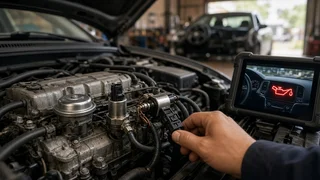
P06DA engine oil pressure control circuit open
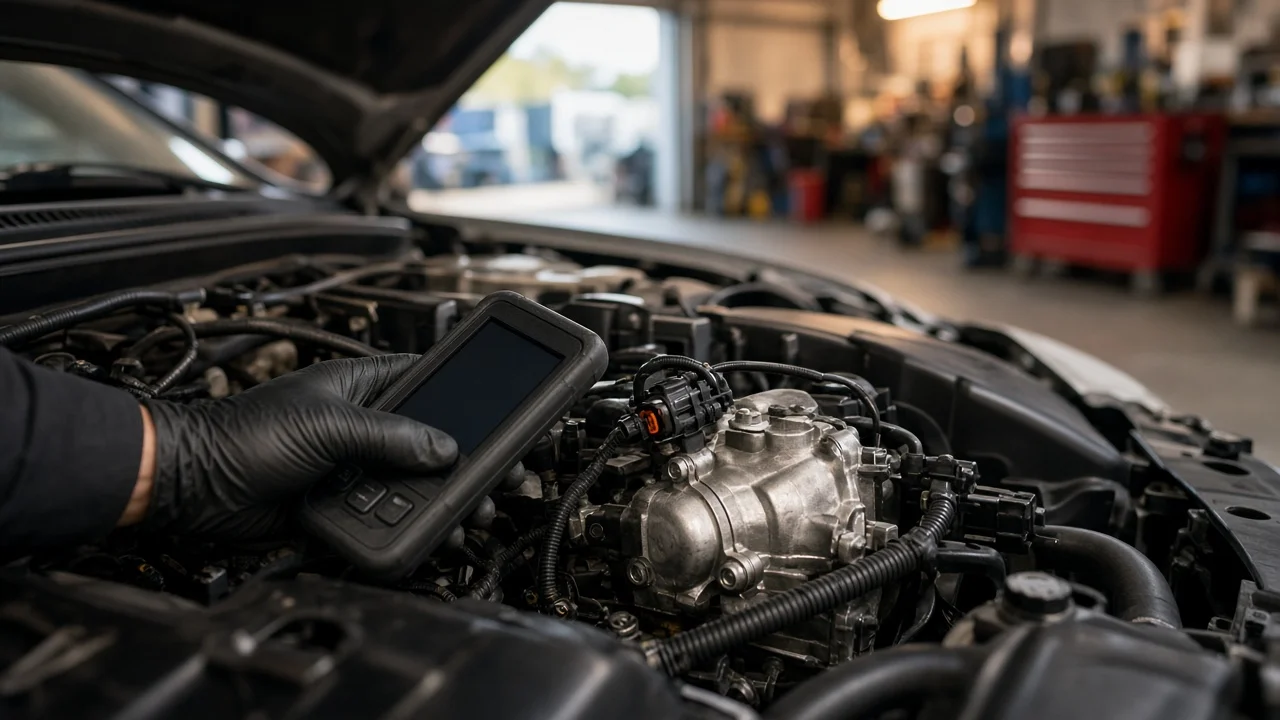
A P06DA engine oil pressure control circuit open is a diagnostic trouble indication, not an automatic proof that an oil pump or solenoid has failed. It means the powertrain control module detected a break, missing connection, or unexpected electrical path in the circuit that manages engine oil pressure control. The concern matters because engine oil pressure control can affect lubrication, variable valve timing, and the ability to switch between different pump output modes. Understanding the difference between an open circuit, a pressure fault, and a wiring issue helps narrow the diagnosis before any component is replaced.
Essential answer
The essential answer is that this code points to the electrical side of the oil pressure control system, not directly to the measured oil pressure itself. A circuit-open condition suggests the engine control module is not seeing the expected continuity through the oil pressure control solenoid, actuator, or related wiring. That could appear as a disconnected connector, a broken wire, high resistance in a terminal, or an internally open solenoid winding. The same code wording can appear with different manufacturer implementations, so the exact circuit name and test procedure should be confirmed against the specific vehicle rather than assumed from another model.
An open circuit differs from a short circuit or a performance fault. In an open condition, the path is incomplete, so current cannot return through the expected route. The result may be that the solenoid stays unpowered and the oil pressure control system remains in a default state. Depending on the design, that default may favor higher or lower pump output, which can produce different symptoms. Because a fault code is only the controller’s interpretation of an electrical condition, a technician should treat P06DA engine oil pressure control circuit open as a starting point for continuity, connector, and wiring evaluation before condemning the solenoid or pump.