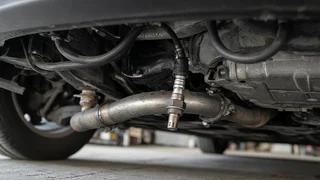
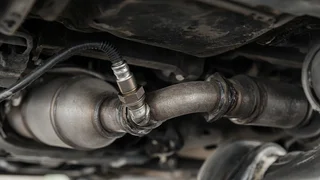
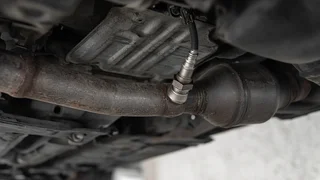
Oxygen sensor adapter (spacer)
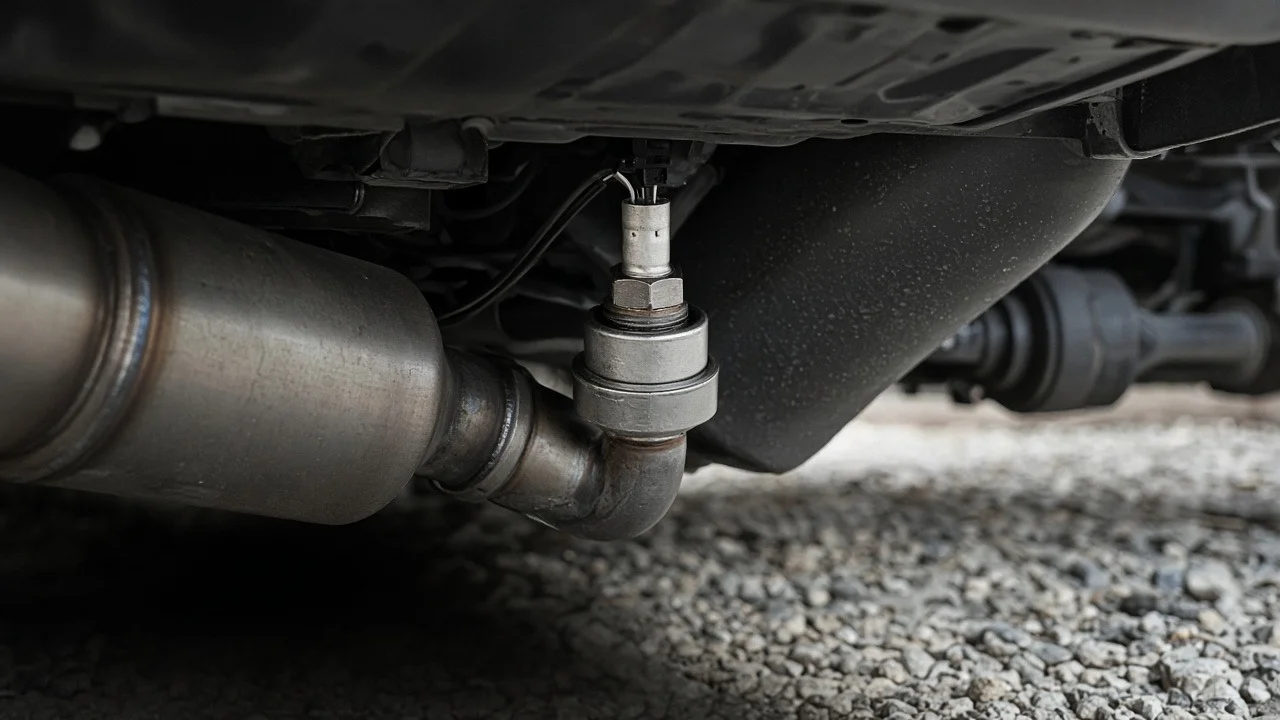
An oxygen sensor adapter, often called an O2 spacer, threads between an exhaust-mounted oxygen sensor and its bung. Drivers typically encounter this component when a diagnostic code suggests catalyst efficiency is out of range and they are weighing whether the reading reflects the converter or the sensor's position. Understanding how the spacer changes exhaust flow is essential before installation, because the adapter alters what the sensor samples rather than repairing a mechanical fault in the exhaust or catalyst.
Essential answer
A car oxygen O2 sensor adapter is a machined fitting that spaces the downstream oxygen sensor farther from the main exhaust stream. The adapter's internal passage restricts how much exhaust reaches the sensor tip. This can change the signal the powertrain control module receives from an oxygen sensor located after the catalytic converter. The device does not make the exhaust air-fuel mixture correct by itself; it changes the sampling environment around the sensor.
In practice, the sensor adapter is associated with catalytic converter diagnostic codes because the downstream sensor normally watches for oxygen storage patterns that signal converter efficiency. Spacing the sensor can slow its response and reduce exposure to exhaust pulses. That may alter how the control module interprets oxygen sensor activity, but it does not confirm the converter is healthy. The result depends on the adapter's orifice size, sensor placement, and the vehicle's emissions calibration.