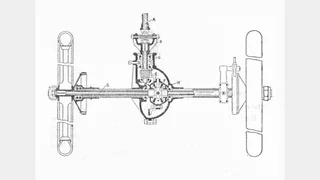
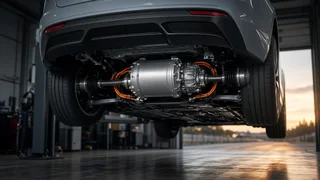
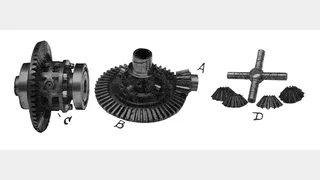
Open Differential
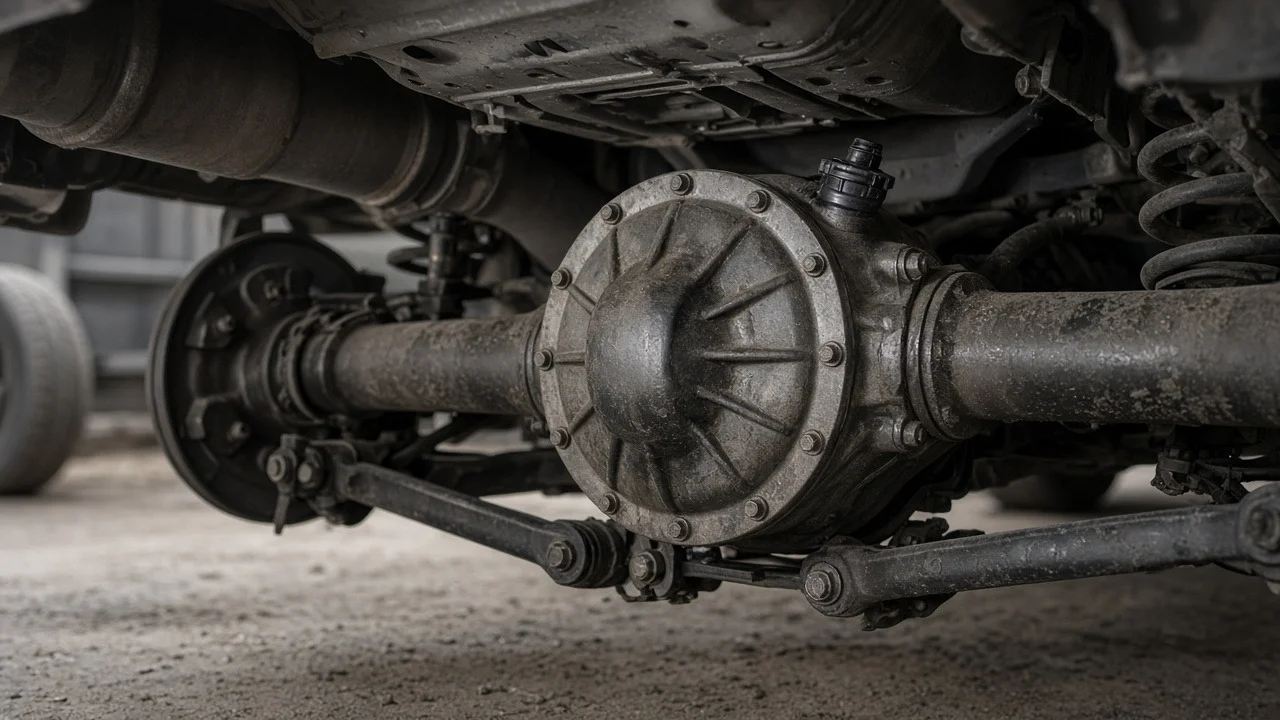
An open differential car uses the most common type of differential found on everyday passenger vehicles. This gear arrangement lets the driven wheels rotate at different speeds, which is essential for smooth cornering and predictable road manners. Understanding how this setup works helps explain traction behavior, power delivery, and why some vehicles include additional traction aids. The design is simple, durable, and well suited to normal pavement, but it has specific limits on low-grip surfaces.
Essential answer
An open differential is the standard gear mechanism that splits engine torque between two driven wheels while allowing each wheel to turn at its own speed. It sits inside the final drive assembly and uses a set of side gears and pinion gears to balance output. During a turn, the outside wheel travels a longer arc, so it must spin faster than the inside wheel. The open unit satisfies that need automatically without driver input, making normal street driving feel stable and reducing tire scrub in corners.
The defining limitation appears when one tire loses grip. The open differential follows the path of least resistance, sending most available torque to the wheel with less traction. On snow, ice, mud, or a loose shoulder, that can mean the slipping tire spins while the opposite tire receives little useful force. This is normal operation for this transmission type, not a failure. Vehicles with traction control, limited-slip differentials, or locking differentials are designed to address that specific drawback while retaining the basic open-differential layout for routine driving.