Oil Change Frequency and General Information
Before you start
An engine oil change is a maintenance service, not a process you perform with a camera, microphone, or video tool. The basic idea is simple: old engine oil is drained, the oil filter is replaced, and fresh oil is added. Whether the service runs locally or requires a shop depends on your vehicle, tools, and access to a suitable work area. Check the owner's manual for the oil specification and capacity before buying supplies. If you are not confident about lifting the vehicle safely or disposing of used oil, the work is usually handled by a repair shop or quick-lube service.
Step-by-step instructions
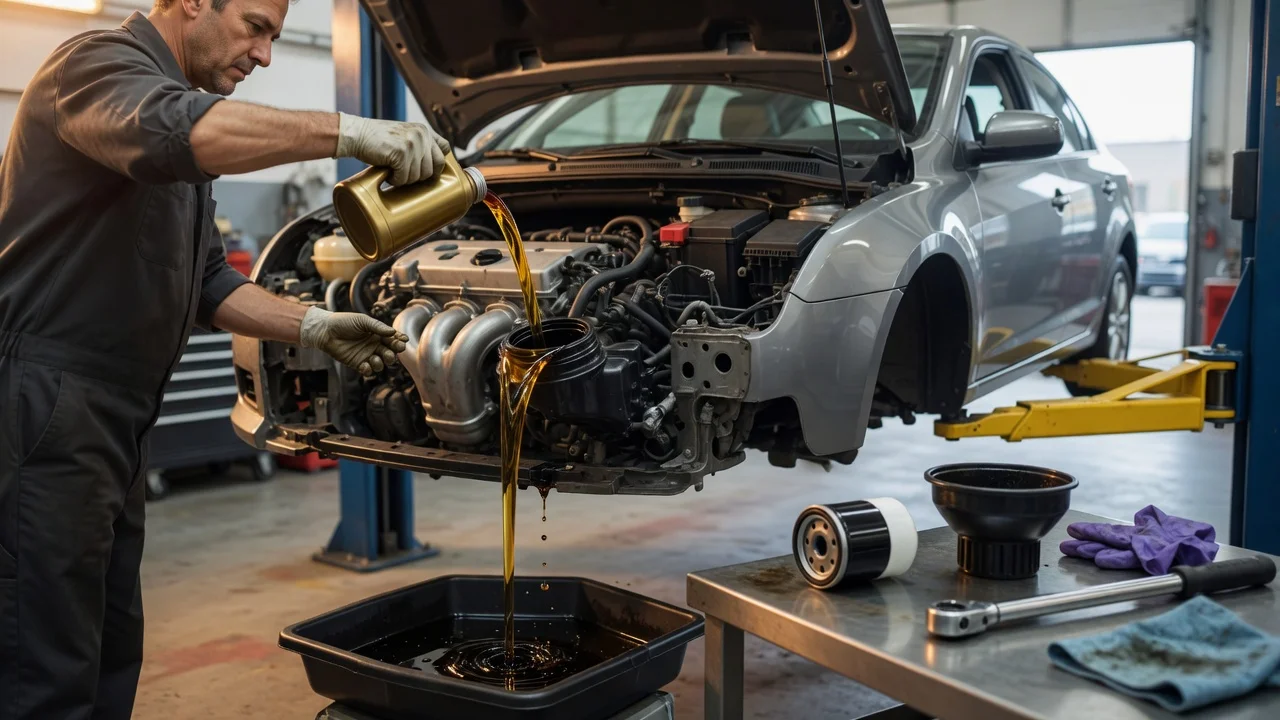
If you decide to perform an engine oil change at home, follow the vehicle manufacturer's procedure and use the correct oil viscosity and filter. The general order is to warm the engine briefly, turn it off, raise the vehicle securely, position a drain pan, remove the drain plug, and let the oil drain. Then replace the drain plug, remove the old oil filter, lubricate the new filter gasket, install the new filter, and add the specified amount of fresh oil. Reinstall the fill cap, start the engine briefly, and check for leaks before lowering the vehicle.
Oil change frequency is not a single fixed number for every vehicle. Many cars use a normal interval of roughly 5,000 to 7,500 miles, while others may allow longer intervals with synthetic oil. Severe conditions such as frequent short trips, extreme temperatures, dusty roads, towing, or stop-and-go driving can shorten the interval. The most reliable guidance comes from the maintenance schedule in the owner's manual, along with the vehicle's oil-life monitor when one is available.
Check the output
After an engine oil change, verify that the oil level is within the normal range on the dipstick when the vehicle is on level ground. Check for drips or oil stains under the vehicle and confirm that the drain plug and filter are secure. Start the engine and watch briefly for any warning light related to oil pressure. If the engine knocks, the oil light stays on, or the level is clearly low, stop driving and have the vehicle checked. Do not rely on camera measurements or third-party image tools for this type of verification.
Common problems and next steps
One of the most common problems around oil change frequency is losing track of when the service is due. The oil-life monitor, a written log, or a simple reminder based on mileage can help. If the oil level drops between changes, check the owner's manual for normal oil consumption and inspect for leaks or blue exhaust smoke. Using the wrong oil or filter can affect engine protection, so correct any incompatible parts immediately.
For vehicles with an oil-life monitor, the system is designed for the engine and expected use, but it is not a promise of oil condition. A monitor may need to be reset after a completed oil change so it can track the next interval correctly. If the interval or oil level seems unusual, a repair shop can inspect the vehicle and help identify whether the issue is related to the engine, the service, or a leak. Keep records of the date, mileage, oil type, and filter used to make future maintenance easier.