OEM Ford Trailer Brake Controller
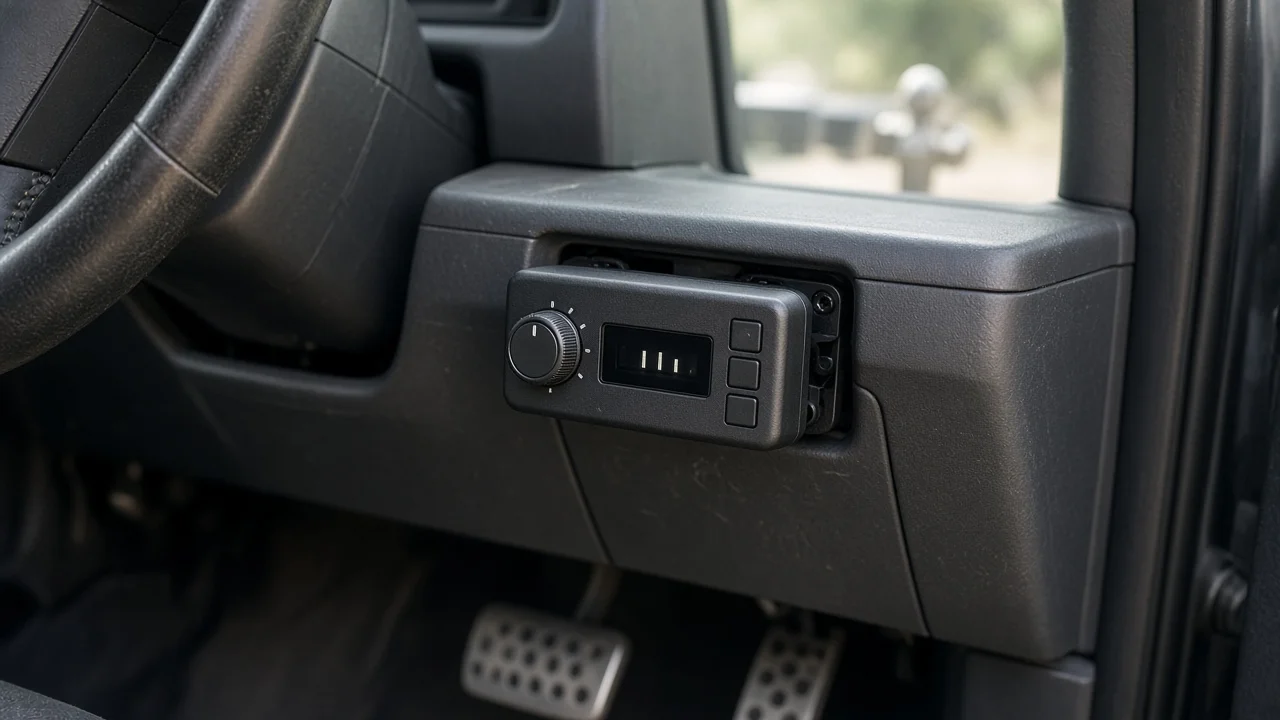
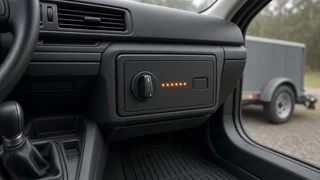
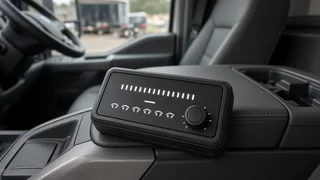
An OEM Ford trailer brake controller is the factory-integrated electronic module that sends a proportional braking signal from the tow vehicle to the trailer’s electric brakes. Choosing the right unit matters because towing stability, stopping distance, and brake component wear all change when the trailer brakes engage late, grab suddenly, or fail to activate. Vehicle fitment is the first practical filter: wiring connector style, dash mounting location, and the truck’s existing tow package determine which factory controller will communicate correctly. Before purchasing, confirm the original equipment part number for the specific Ford model year and compare the controller’s output adjustment range with the trailer’s axle count and loaded weight.
The direct answer
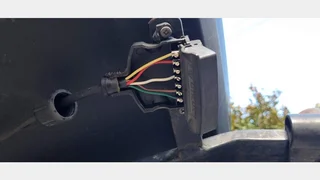
The immediate answer is that an OEM controller is the safest place to start when the truck already has a factory trailer brake harness and the owner wants stock appearance and integrated dashboard operation. This unit reads brake pedal pressure and vehicle deceleration, then sends a controlled voltage to the trailer’s electric brake magnets. Because it mounts in the intended dash pocket and uses the existing connector, installation avoids splicing aftermarket wiring. The main condition is compatibility: an OEM Ford trailer brake controller is not universal across every model year or towing package, so the exact factory part number must be confirmed against the vehicle’s VIN, build options, and the connector present behind the dash.
When comparing an OEM module with an aftermarket time-delay or proportional controller, the deciding factor is how the trailer responds during a firm stop. A properly matched OEM unit applies trailer braking in relation to the tow vehicle’s deceleration, which reduces pushing from the trailer and helps keep the combination straight. The same stopping event also affects the truck’s brake pads, brake rotors, calipers, and friction material, because less trailer push means the service brakes absorb less heat. If the controller is configured incorrectly, the trailer brakes may lock too early or arrive too late, concentrating heat in one set of friction material and accelerating wear beyond normal limits.