NP242 Transfer Case Linkage Identification
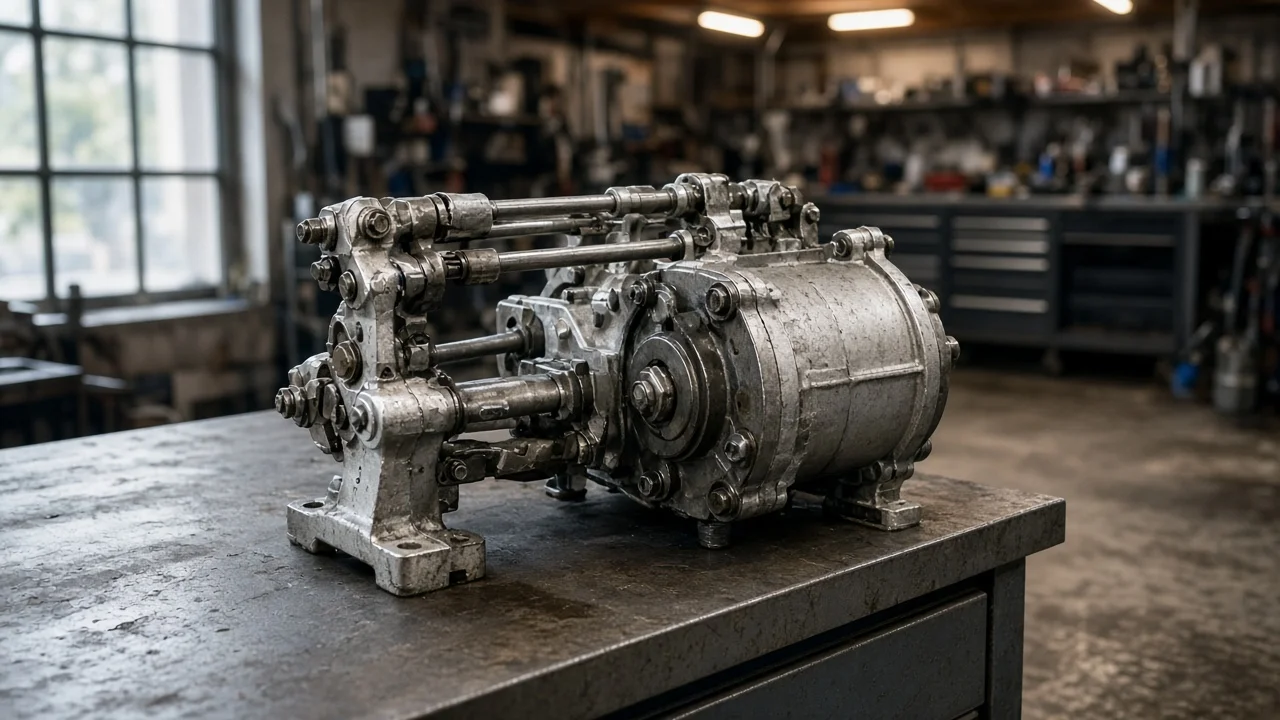
The NP242 transfer case, later badged NV242, is the five-position unit behind the Selec-Trac system in several Jeep models. If its shifter feels vague, misses a position or will not reach low range, the fault is often in the linkage rather than inside the case. This guide explains how to confirm you have a 242, identify the type of 242 transfer case linkage on your vehicle, and recognize the wear and adjustment problems an owner can check.
Identifying an NP242 and its linkage
Start with the case itself. A New Process or New Venture transfer case normally carries a metal identification tag held on by one of the housing bolts. The model number on that tag is the most reliable confirmation. Inside the vehicle, the shifter pattern is another strong clue. The 242 has five positions, typically 2WD, 4 Part-Time, 4 Full-Time, Neutral and 4 Lo. The common NP231 used with Command-Trac has four. If the case tag and the shifter pattern do not match, note it, because the case or parts may have been swapped.
The linkage is everything between the floor shifter and the range lever on the side of the case. Depending on model and year, it may be a solid shift rod with an adjustable swivel or trunnion and a lock bolt, or a cable with its own bracket and adjuster. To identify yours, trace the path from the shifter base under the vehicle to the case lever. Note the type of end connections, bushings, retaining clips and any adjustment point. Your vehicle configuration, model year and service history determine which parts and procedure apply.
How the shift linkage works
Moving the floor lever pushes or pulls the linkage, which rotates the range lever on the transfer case. Internal detents hold the shift mechanism in each position. With the linkage correctly adjusted, those detents decide where the case sits, and the floor lever lines up with the printed pattern and settles cleanly into each slot.
Problems start when slack or misalignment builds up. A worn bushing or grommet where the rod meets the range lever, a loose swivel, a stretched or binding cable, or a bent rod all add lost motion. The floor lever then moves before the case does, or runs out of travel before the case reaches its end position. Because 4 Lo and 2WD sit at opposite ends of the pattern, they are often the first positions affected. Typical symptoms are a lever that will not go fully into 4 Lo, a case that seems to stay in neutral, a selected position that does not match the pattern, or a lever that rattles and feels loose.
What changes the answer
Not every NP242 installation behaves the same. The shifter assembly, linkage type, bracket and adjustment method vary between applications, so a procedure written for one model may not match another. Changes to engine or transmission mounts, a suspension lift with drivetrain spacers, or a transfer case drop can alter the angle between the shifter and the case and move the adjustment point. A 242 installed in place of a four-position case usually needs the matching five-position shifter and linkage. Reusing the original parts can leave positions out of reach or mislabeled.
Operating conditions also matter when you judge a symptom. Selecting 4 Part-Time on dry pavement locks the front and rear outputs together. That can cause driveline binding and make it hard to shift out of that position, which is not a linkage fault. Shifting into or out of 4 Lo generally requires the vehicle speed and transmission position given in the owner's manual. If those conditions are not met, the shift can resist and feel like a linkage problem even when the linkage is fine.
What the owner can do
Park on level ground with the engine off, chock the wheels and support the vehicle safely. Then have a helper move the floor lever through each position while you watch the range lever on the case. Check whether the case lever moves as soon as the floor lever moves, and whether it clicks into a detent at each position. Look for a cracked or missing bushing, a missing clip, a loose lock bolt on the adjuster, a rusted or bent rod, or a frayed or binding cable. Write down what you find, because it helps whoever performs the repair.
Worn bushings and missing clips are small, simple parts and a common cause of sloppy shifting. If the parts are sound but positions still do not line up with the pattern, the linkage likely needs adjustment. The usual approach is to put the case in a specified reference position and loosen the adjuster so the rod or cable moves freely. Next, confirm the range lever is fully seated in its detent, then tighten the adjuster with the floor lever in the matching position. Use the reference position and torque values from the factory service manual for your exact vehicle, not a generic figure. Afterward, road test every position and confirm the drivetrain actually engages as selected.
Limitations and next step
A linkage inspection cannot rule out internal problems. The cause may be inside the transfer case, such as the shift fork, detent or range components, or related to fluid condition. Suspect this if the linkage is tight and correctly adjusted but the case still jumps out of a position, grinds or will not hold 4 Lo. Another sign is a range lever that is stiff even when disconnected from the linkage. These issues need diagnosis by a drivetrain technician, and the case may have to come out.
Shifter hardware and adjustment details differ by model year and configuration. Confirm part numbers against the vehicle identification number before ordering, and follow manufacturer specifications for any adjustment. If the vehicle's modification history is unknown, or the case tag does not match the shifter, have a qualified shop verify the combination before you drive in four-wheel drive or low range.