Nissan Tiida timing chain
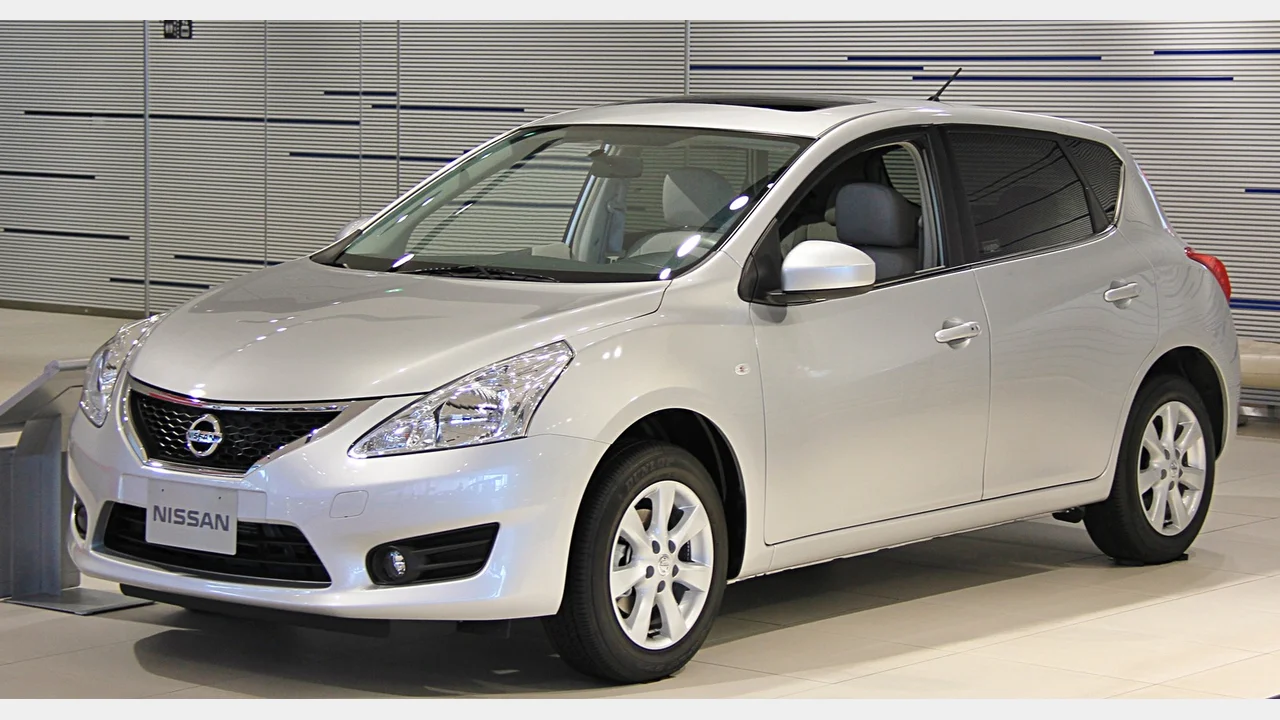
The Nissan Tiida uses a timing chain rather than a rubber timing belt on many of its engines, so understanding how this metal link system works helps owners separate normal operation from early signs of trouble. Timing chain questions usually start with a rattle, a diagnostic code, or a used-car inspection, and the answer depends on engine configuration, service history, and symptom conditions. A chain is designed for long service, but it still runs against guides, tensioners, and sprockets that can wear. Interpreting the evidence correctly prevents unnecessary repairs while identifying when inspection is truly needed.
Essential answer
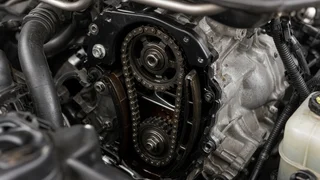
A timing chain synchronizes the crankshaft and camshaft so the valves open and close at the correct point in each cylinder cycle. In a Tiida equipped with a chain-driven engine, the metal chain replaces the belt used on some other designs and is housed inside the front of the engine where it receives oil lubrication. This layout generally reduces routine replacement needs, but it does not make the system wear-proof. The chain, tensioner, guides, and sprockets must all maintain proper clearance and oil pressure to work quietly and accurately.
When owners search the Nissan Tiida engine timing chain topic, they are usually checking whether the engine is chain-driven, whether a noise indicates failure, or what service history matters before buying. Manufacturer specifications and diagnostic codes can help, but they require vehicle-specific confirmation because engine families vary. A chain is evidence of a durable design approach, not proof that a particular engine is problem-free. The useful next step is to compare observed symptoms, especially cold-start noise or timing-related fault codes, against the condition of the chain system rather than assuming the chain itself has failed.