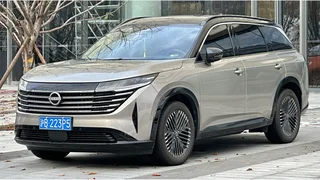
Nissan Pathfinder
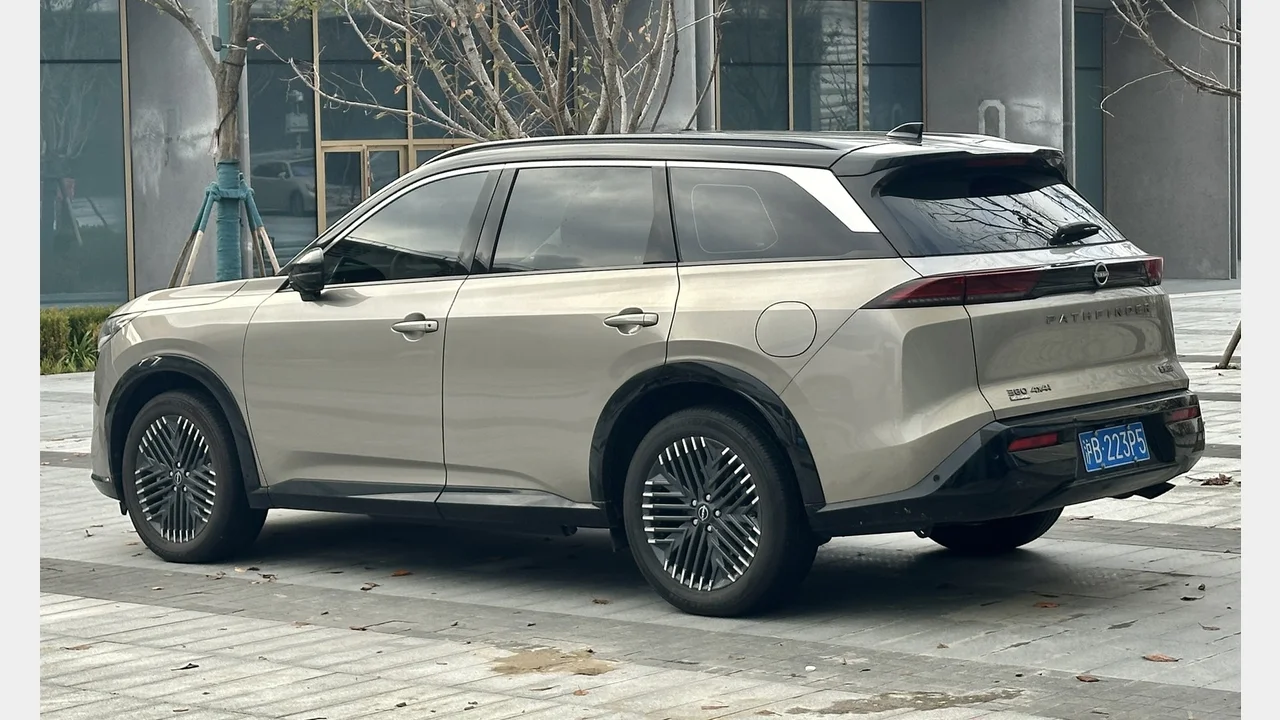
The Nissan Pathfinder occupies a shifting place in the American three-row SUV segment. Early model generations built a reputation for truck-like utility, while later versions moved toward family-focused comfort and on-road refinement. Readers researching “nissan pathfinder car and driver” are usually comparing how a given model generation behaves, what powertrain configuration it uses, and which trim level fits a household. Understanding those differences matters because the Pathfinder name has represented several body styles and market specifications over time. A useful overview begins with the model year because engineering changes often redefine capability more than styling does.
Essential answer
The essential answer is that the Nissan Pathfinder is a midsize SUV that has evolved across distinct model generations, changing from a rugged body-on-frame design to a unibody crossover and then back toward a more traditional SUV stance. Early versions shared underpinnings with Nissan’s pickup line and emphasized towing and off-road clearance. Later generations prioritized on-road stability, cabin space, and everyday family transport. When shoppers encounter the phrase “nissan pathfinder car and driver,” they are often asking how a specific model year ranks as a daily driver, not merely what the nameplate has offered historically.
For any Pathfinder comparison, the trim level and powertrain configuration reshape the answer. A base front-wheel-drive model may feel efficient and car-like, while an upper trim with all-wheel drive and a stronger engine responds differently to highway passing and trailer loads. The relevant market specification also changes feature content, suspension tuning, and available seating layouts. Because the Pathfinder has spanned multiple body styles and engineering philosophies, the most accurate direct answer always begins with model year and generation before drawing conclusions about ride, capability, or ownership expectations.