Nissan Leaf World Car of the Year
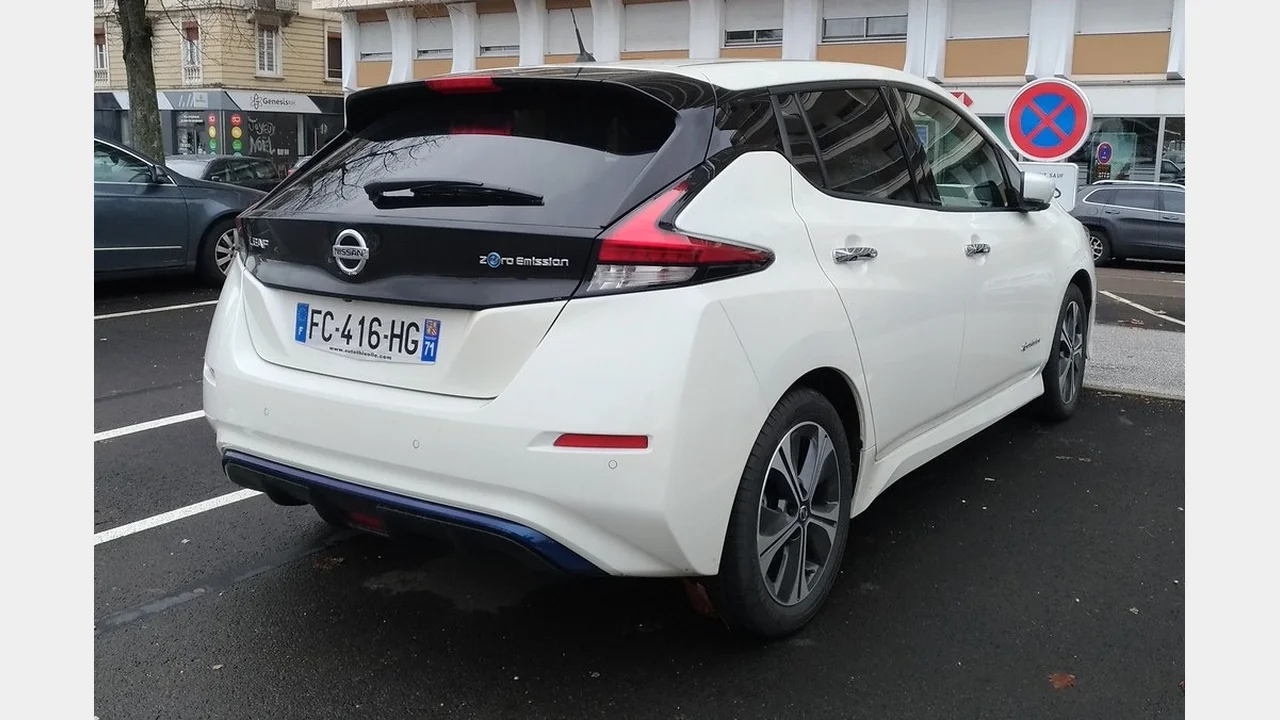
The Nissan Leaf earned a notable place in automotive history when it received World Car of the Year recognition, an award that draws attention from shoppers comparing electric vehicles. Understanding what this honor means helps clarify how the Leaf stood out among mass-market EVs of its time. The award is not a specification or trim level; it is an external acknowledgement from an international jury. For anyone researching the Nissan Leaf World Car of the Year topic, the essential point is that the designation reflects one model generation's overall contribution to affordable electric mobility rather than a single feature or performance figure.
Essential answer
The 2011 Nissan Leaf was named World Car of the Year, making it the first fully electric vehicle to receive that particular recognition from the international automotive jury. This distinction applied to the original mass-produced hatchback generation, not to every Leaf model year or trim level that followed. The award considered the vehicle as a whole, evaluating its powertrain configuration, body style, and market specification as a practical family car with zero tailpipe emissions. Buyers today can use the award as historical context for the Leaf's role in bringing battery-electric driving to a broader audience.
The award's meaning is sometimes confused with a special edition or a higher trim level. In reality, the World Car of the Year honor went to the standard model line available in key markets, reflecting the significance of its production electric powertrain at that time. The distinction does not change the used-car buying process: later model generations offered different range, body style updates, and market specifications. Shoppers evaluating a used Leaf should still confirm the specific model year and trim level rather than assuming every Leaf carries the same recognition or equipment.