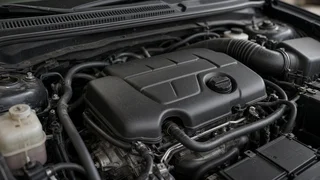
Nissan Altima engine oil pressure warning light
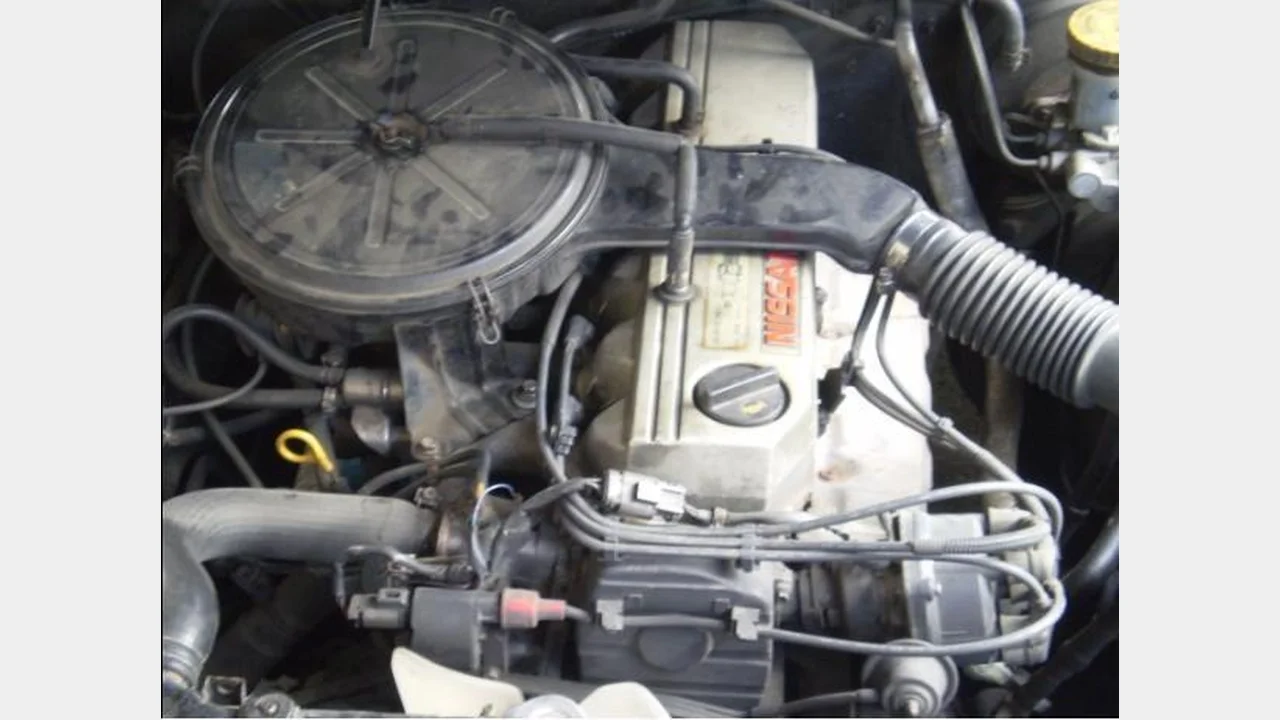
A glowing oil pressure warning in a Nissan Altima means the engine controller is receiving a signal that lubrication pressure is below a safe threshold. Because that condition can progress from a slightly low oil level to severe bearing damage quickly, the warning should not be treated like a routine reminder light. Understanding what the signal measures, why intermittent illumination matters, and which observable checks narrow the cause helps an owner avoid guessing at the repair. The guidance below explains how to interpret the light and what steps are most useful before deciding whether continued driving is reasonable.
Essential answer
The Nissan Altima engine oil pressure warning light indicates that oil pressure has dropped enough to trigger the pressure switch, not that the oil is simply due for a scheduled change. Depending on model year and equipment, the warning may appear as a red oil can symbol, a message in the instrument cluster, or a low-pressure alert. Some Altimas also display an oil pressure gauge that shows normal variation with rpm and engine temperature. The light is primarily a driver warning to reduce engine load and investigate immediately.
Oil pressure depends on pump output, bearing clearances, viscosity, and the amount of oil available to the pickup. A momentary flicker during a hard stop can point to a low sump level, while a steady light at idle that improves with rpm may suggest a worn pump or excessive clearances. Because the switch responds only after pressure falls below a preset threshold, the message can be the first observable sign of low pressure even when the dipstick level still appears near the acceptable range. Stopping the engine safely is the first protective action.
Diagnosing a problem
Start with an oil level check on level ground after the engine has been off for several minutes. A result below the low mark supports low sump level as a cause, especially if the warning appeared during cornering, braking, or acceleration when the pickup could briefly uncover. If the level is low, adding the correct lubricant specification may resolve the warning, but only if the engine has also been listening for abnormal knocking or ticking. The level alone does not prove that the pump, filter, or pressure regulation system is functioning correctly.
If the level is within the dipstick range, observe when the light appears. A warning that comes on only at hot idle may be a pressure signal problem or early wear, while one that stays on at road speed suggests a more serious loss of pressure or a sensor wiring fault. Manufacturer-dependent codes and gauge behavior require vehicle-specific confirmation, and a fault code is evidence to investigate rather than proof that a part has failed. In cases with noise, a steady warning at normal rpm, or any doubt about safe lubrication, the engine should not be restarted until the system has been professionally evaluated.