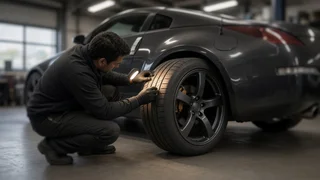
Nissan 350Z Tire Feathering: Causes and Fix
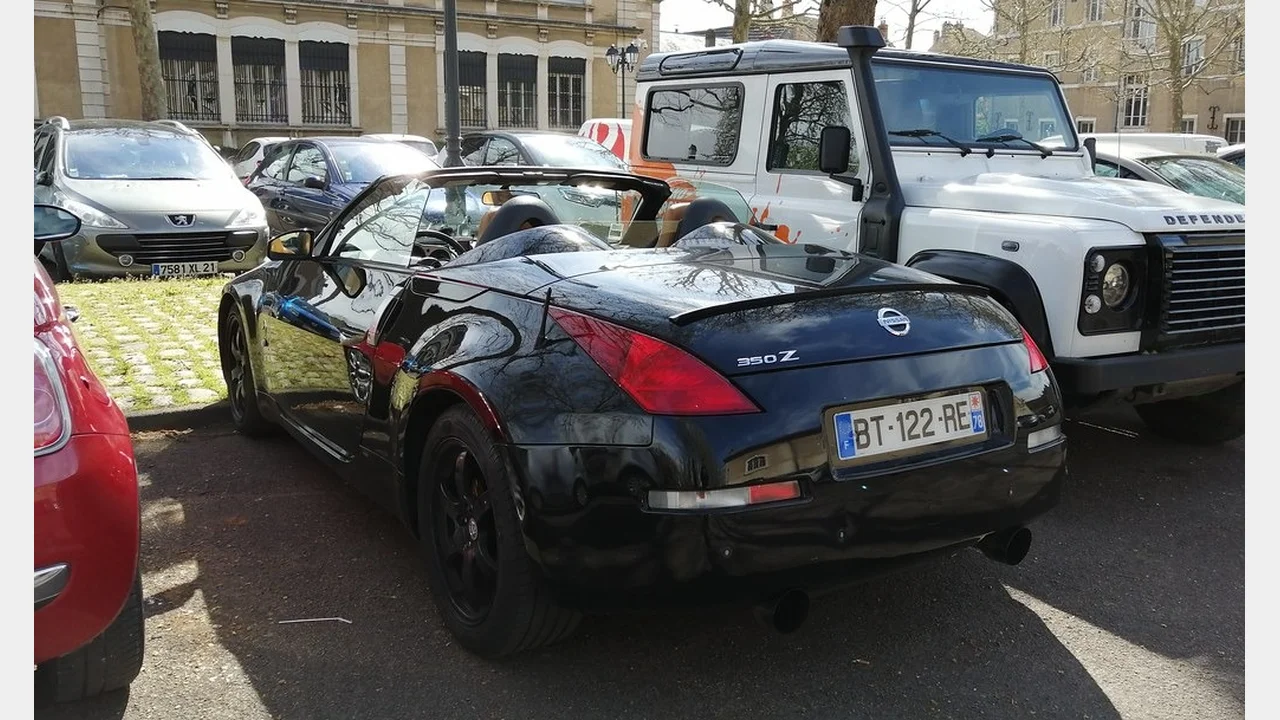
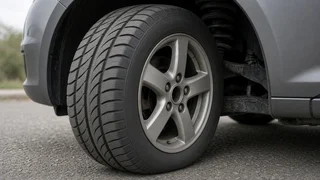
Tire feathering on a Nissan 350Z shows up as uneven wear where individual tread blocks develop a sawtooth or scalloped profile. Run a hand across the tread and one edge of each block feels sharp while the other is smooth. This condition changes road noise and steering feel before most owners notice visual wear. The 350Z platform’s front suspension geometry and performance alignment settings can make the tires sensitive to small setup changes. Understanding why the wear pattern develops helps separate a simple alignment correction from a suspension issue that will return if ignored.
Essential answer
Feathering is primarily a toe-related wear pattern, not a balance problem. When front tires roll with excessive toe-in or toe-out, each tread block scrubs slightly sideways as it contacts the pavement, shaving one edge and leaving the opposite edge raised. On a 350Z the condition often appears on the inner shoulder or across the full tread face depending on camber, tire construction, and daily driving loads.
The practical fix starts with a careful alignment inspection rather than simply replacing tires. Worn tires can be rotated or replaced, but if the underlying toe setting remains outside the intended range, the new rubber will develop the same sawtooth edges. Confirming the alignment, checking suspension bushings and joints, and matching correct tire pressure to the vehicle placard gives the best chance of stopping the pattern.
Diagnosing a problem
Run the flat of your hand along the tread in both directions. A feathered tire feels smooth one way and rough the other because the leading edge of each block is worn lower than the trailing edge. Compare the front and rear tires and inspect both shoulders as well. Differences in feathering from left to right suggest uneven toe or worn suspension components affecting one side more than the other.
Check inflation pressure before assuming the alignment alone is responsible. Underinflation can concentrate scrubbing on the shoulder and change how the tread blocks flex, while incorrect pressure from the vehicle placard alters the contact patch enough to accelerate a minor toe issue. If the wear pattern repeats quickly after an alignment, have the control arm bushings, tie rod ends, and wheel bearings inspected for play that lets the geometry shift under load.