Nissan 350Z
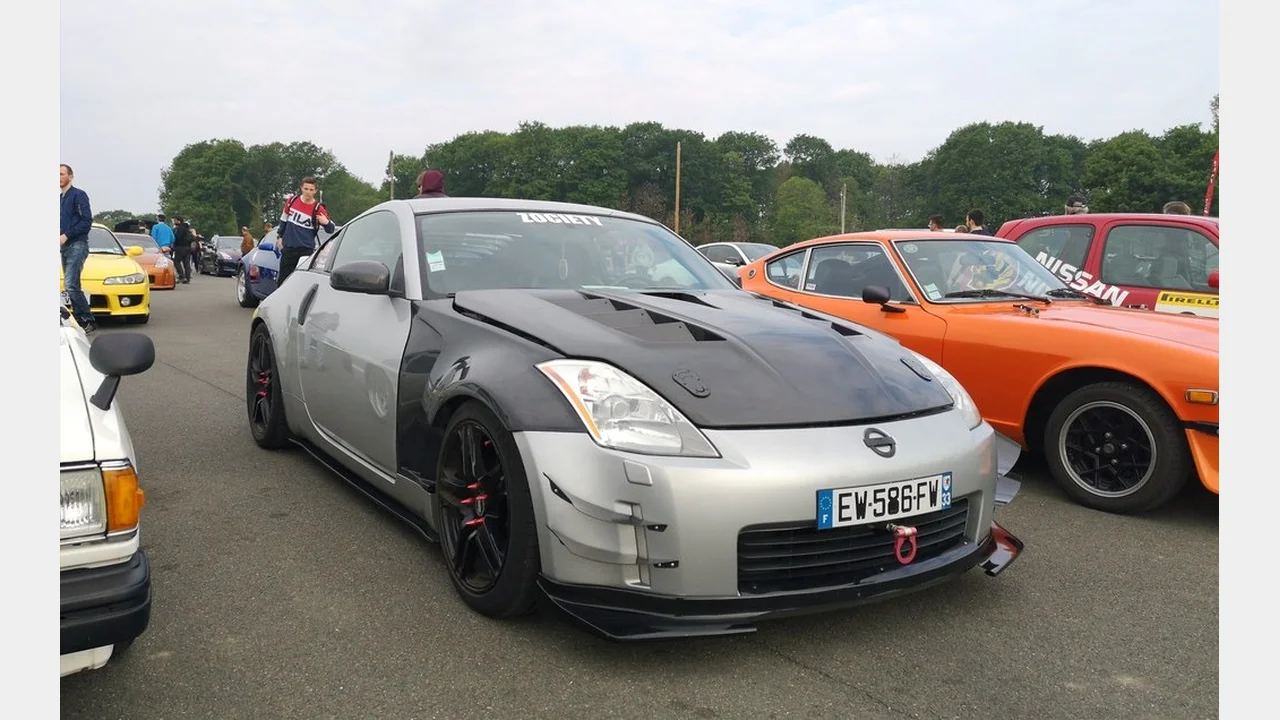
The Nissan 350Z sports car answers the question of what a focused, front-engine rear-wheel-drive coupe should feel like when pared back to its essential driving elements. More than a simple used-car curiosity, this vehicle class represents a specific powertrain layout and body configuration built around balance and direct response. Its seating layout reinforces that mission, placing the driver low between the axles. For shoppers evaluating a Japanese grand tourer alternative, understanding the model generation and market segment clarifies why this platform remains a reference point among two-seat performance cars.
Essential answer
The Nissan 350Z is a two-seat sports car produced as a modern interpretation of the classic Z lineage, defined by a front-engine, rear-wheel-drive powertrain layout. This mechanical arrangement positions the engine ahead of the occupant compartment while sending power to the rear axle, a configuration strongly associated with traditional sports car handling. Unlike a front-drive compact or all-wheel-drive grand tourer, its vehicle class prioritizes throttle-adjustable balance and predictable weight transfer during cornering rather than maximizing interior space or all-weather traction.
Within its market segment, the 350Z competes as an accessible performance coupe rather than a luxury grand tourer or track-only special. Its body configuration is a fastback-style hatchback coupe, combining a fixed roof with a practical rear cargo area beneath the glass. The seating layout accommodates two occupants only, which lowers overall mass and allows the cabin to be situated closer to the vehicle center. Understanding this model generation means recognizing it as a return to a simpler formula after a period when the Z nameplate had moved toward more comfort-oriented grand touring roles.