NGK spark plugs for cars
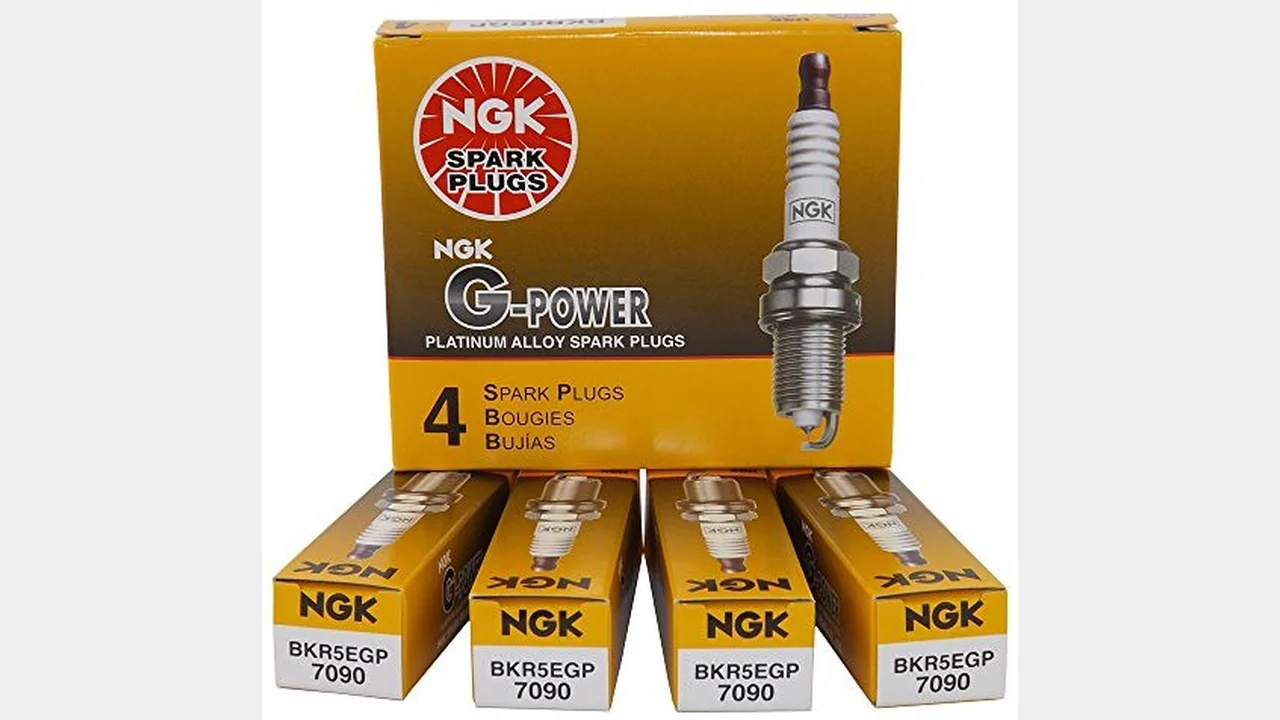
Choosing NGK spark plugs for a car starts with matching the plug type to the engine and driving conditions. Iridium designs use a fine center electrode that resists erosion, supports consistent firing, and often suits modern ignition systems with longer service expectations. While an NGK iridium spark plug for a car may carry a higher initial ngk car spark plug price than basic nickel or platinum options, the relevant question is fitment and value over the interval the plugs remain in service. Engine configuration, manufacturer specifications, inspection findings, and symptom conditions should guide the selection more than brand familiarity alone.
The direct answer
The direct answer is that an NGK iridium spark plug can be a suitable upgrade or replacement for many cars when the exact part number matches the engine configuration and heat range specified by the manufacturer. Iridium’s high melting point and hardness allow a narrower center electrode, which generally reduces the voltage needed to initiate a spark and helps maintain stable firing under varying cylinder pressure. The commercial decision depends on whether those characteristics matter for the vehicle’s ignition design and how the owner weighs initial cost against extended durability.
Before purchase, confirm the listed NGK part number for the specific year, engine, and calibration rather than selecting only by thread size or seat type. Check service history for clues about operating conditions, such as short-trip use, oil consumption, or prior fouling, because those factors can affect plug life even with a precious-metal electrode. A higher ngk car spark plug price does not by itself correct an underlying misfire or rich condition; it changes electrode wear behavior within a properly functioning system.