Cars Supporting Next-Generation Apple CarPlay: What It Is and Which Vehicles Offer It
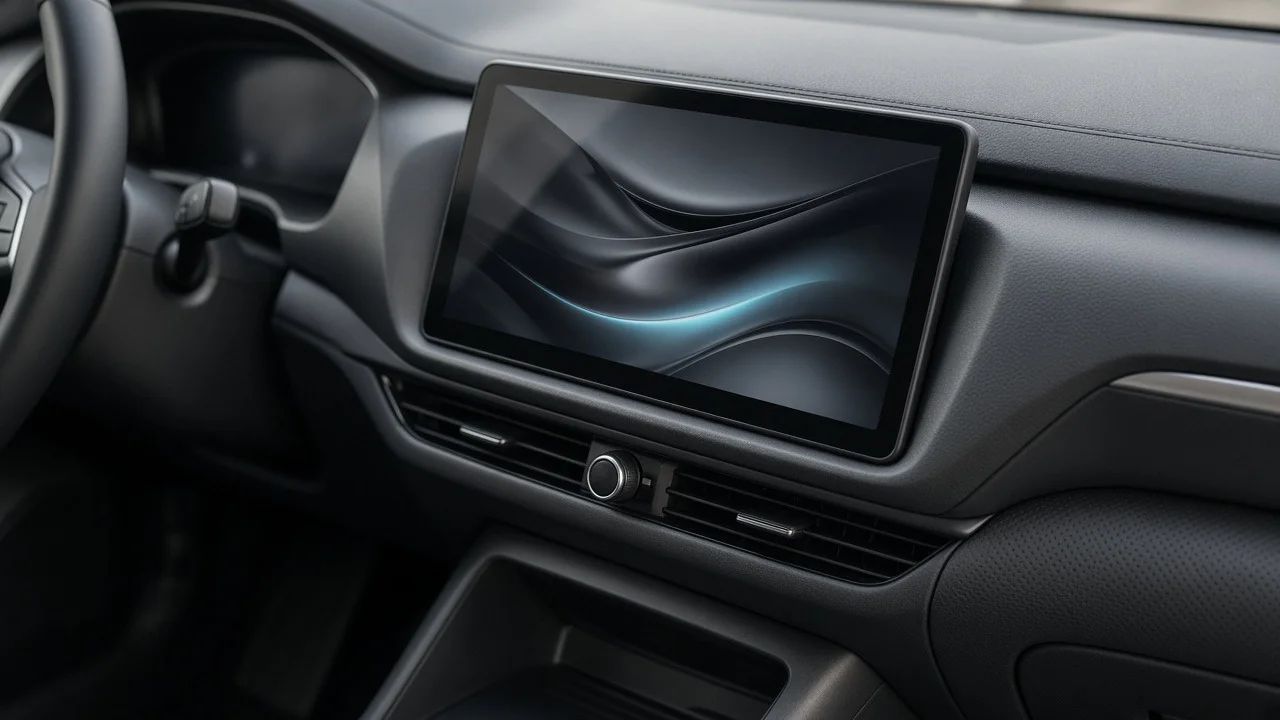
If you are shopping for one of the next-gen CarPlay cars, the short answer is that very few vehicles offer it so far. Next-generation Apple CarPlay, which Apple now markets as CarPlay Ultra, first reached customers in new Aston Martin models fitted with the brand's latest infotainment system. Apple has said other automakers are working on it. Until a manufacturer confirms support for a specific model year and trim, assume a car has standard CarPlay, not the next-generation version.
What next-generation CarPlay is
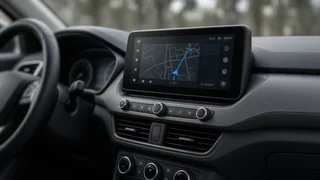
Standard CarPlay projects iPhone apps such as maps, music, messages and calls onto the car's central touchscreen. The rest of the dashboard stays under the automaker's own software. That includes the digital instrument cluster, climate controls and vehicle settings.
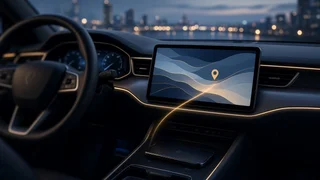
Next-generation CarPlay goes further. It can extend across several screens in the cabin, including the instrument cluster behind the steering wheel. It can show vehicle information such as speed, fuel or charge level, engine data and tire pressure in an Apple-designed layout that matches the automaker's styling. It can also bring some vehicle functions into the CarPlay interface, such as climate and radio controls, so the driver does not have to switch back to the native system for routine tasks.
How it differs from standard CarPlay
Feature | Standard CarPlay | Next-generation CarPlay (CarPlay Ultra); Screens used | Main infotainment display | Can span multiple displays, including the instrument cluster; Vehicle data | Not shown; handled by the automaker's system | Speed, gauges and other vehicle data can appear in CarPlay layouts; Vehicle controls | Driver returns to the native system for climate and settings | Selected controls, such as climate and radio, can be handled within CarPlay; Appearance | Uniform Apple look across brands | Themes and gauge designs co-developed with each automaker; Availability | Widely offered across many brands and price points | Limited to specific vehicles where the automaker has built in support; Aftermarket option | Available through aftermarket head units and adapters | Requires factory vehicle integration; not something an add-on can supply
Which cars support it
Aston Martin was the launch partner. Apple and Aston Martin said the system would come on new vehicles with the brand's updated infotainment platform, first in the US and Canada. Existing compatible vehicles would get it through a software update.
When Apple first previewed next-generation CarPlay, it named a broad group of interested automakers. Apple later said brands including Hyundai, Kia and Genesis were working on CarPlay Ultra. Automaker plans have shifted over time, and some brands have chosen to keep their own software. Treat any partner list as a statement of intent, not proof that a given model supports the system.
In practice, support depends on the manufacturer, model, model year, infotainment generation, market and sometimes trim. Two cars with the same nameplate can differ if one has an older head unit or instrument cluster.
Why it needs deep vehicle integration
Standard CarPlay mainly needs a compatible head unit that can display the phone's output and accept touch, knob and voice input. Next-generation CarPlay depends on much tighter vehicle integration. The car must give it access to cluster displays, live vehicle data and certain controls, and the automaker must co-design the layouts with Apple. The vehicle's own systems typically render critical driving information locally, so gauges keep working reliably even if the phone connection changes.
This is why an aftermarket interface adapter cannot turn an older car into a next-generation CarPlay vehicle. Adapters and replacement head units can add standard CarPlay, including wireless connection in some cases. They cannot give CarPlay control of a factory instrument cluster or climate system that was never designed for it.
Phone and software compatibility
Software compatibility applies to the phone as well as the car. At launch, Apple listed iPhone 12 or later running iOS 18.4 or later as the requirement for CarPlay Ultra. Future updates on either the iPhone or the vehicle side may change what features are available. Keeping both up to date is the practical way to get the full experience.
Device pairing and everyday use
Device pairing works much like standard CarPlay. You connect the iPhone to the car, then confirm the connection on both the phone and the vehicle display. The car's connection settings let you manage which phone is used and turn the feature on or off.
After setup, the steering wheel interface usually controls common functions such as volume, track selection, calls and Siri. Next-generation CarPlay makes this integration deeper, because the cluster and controls can respond within the same interface. If you prefer, you can still return to the automaker's native screens.
How to confirm support before buying
Ask the dealer or manufacturer specifically about CarPlay Ultra or next-generation CarPlay, not just Apple CarPlay, because standard CarPlay is far more common. Confirm the exact model year, trim and infotainment system version, since support can depend on hardware. For a used car, ask whether the feature came with the car or arrives through a software update, and whether that update has been installed. Check that your iPhone model and iOS version meet Apple's current requirements. Don't count on an aftermarket adapter to add next-generation features later.
Bottom line
Next-generation CarPlay is a factory-integrated system that extends Apple's interface into the instrument cluster and selected vehicle controls. Standard CarPlay only mirrors phone apps on the center screen. For now, few vehicles offer it, starting with recent Aston Martin models, and other brands have announced plans. If the feature matters to your purchase, get confirmation for the specific vehicle configuration rather than relying on the brand name or a general CarPlay listing.