New water pump but car still overheats
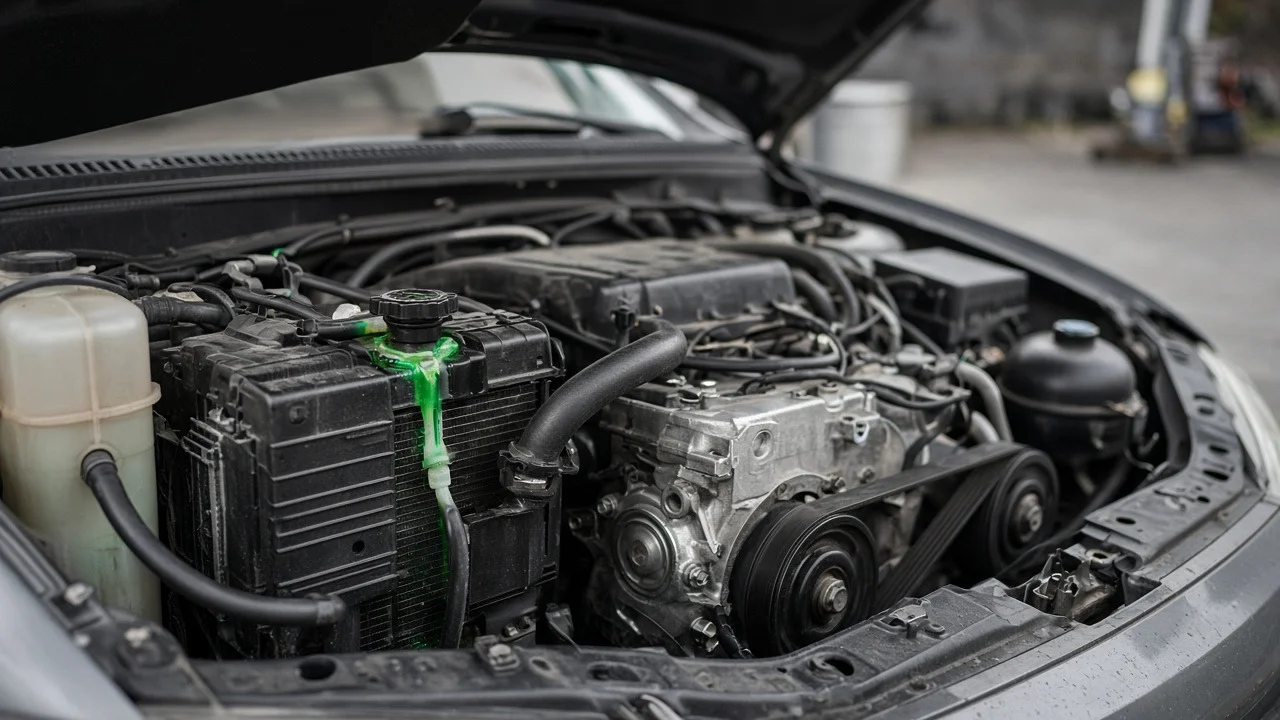
A fresh water pump should solve an overheating complaint, yet many drivers still watch the temperature gauge climb after the repair. The new part can be fine while another portion of the cooling circuit remains compromised. Air pockets, an aged thermostat, a partially obstructed radiator, or a weak pressure cap can all keep heat trapped in the engine. Understanding the whole cooling circuit, not just the pump, turns a frustrating repeat symptom into a focused set of checks that can be performed without guessing.
Direct answer
The direct answer is that a new water pump does not automatically make the cooling system healthy. The pump moves coolant, but circulation alone cannot remove engine heat if the radiator cannot shed it, the thermostat cannot open fully, or trapped air disrupts flow. A new water pump may even expose a previously hidden restriction because it changes flow characteristics. Start by confirming the coolant level, checking for air pockets, and verifying that the thermostat and radiator cap respond correctly before suspecting the new part itself.
Coolant concentration and the correct coolant specification also affect heat transfer. A mixture that is too rich in antifreeze carries less heat away from cylinder heads and blocks, while plain water lacks corrosion protection and can boil too early. The pressure cap raises the boiling point, so a cap that fails to hold pressure can cause localized boiling and steam pockets even with a functioning pump. These ordinary supporting parts often explain why a car still overheats after the expensive water pump replacement.