New Nissan burning smell

A burning odor in a new Nissan usually comes from factory coatings, adhesives, or assembly lubricants heating for the first few drive cycles. The smell is often strongest around the engine bay or exhaust and clears as protective films cure. However, road debris, a leaking fluid, or a dragging brake pad can create a similar scent. Because the vehicle is new, the model year, trim level, and powertrain configuration can affect which surfaces initially heat more. Distinguishing a normal break-in smell from an abnormal one requires looking at when it appears, how long it lasts, and whether it changes with speed or load.
Essential answer
The most likely explanation for a new car burning smell in a Nissan is a temporary curing odor from new components. During the first several drives, exhaust parts, engine block coatings, and underhood stickers or seam sealers can produce an acrid or oily scent as they reach operating temperature. This is normal if the smell is mild, occurs after the engine warms up, and fades over a few hundred miles. Different body styles and trim levels may use different underhood insulation or protective sprays, so the intensity can vary between otherwise similar vehicles.
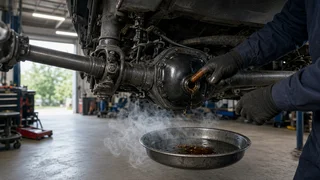
A lingering smell that worsens after rain, appears while idling, or returns after the break-in period deserves closer attention. Plastic bags, leaves, or road tar can melt against a hot catalytic converter or exhaust manifold. Fluid seepage from a fitting onto a hot surface can also smell like burning oil or coolant. Because a fault code alone is not proof that a specific part has failed, the scent should be matched with visible residue or a change in fluid level. If the odor is sharp, sweet, or accompanied by smoke, stop driving and have the vehicle inspected.