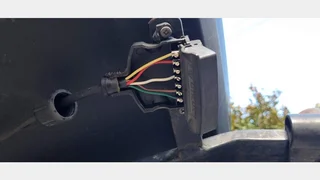
NAPA Trailer Brake Controller
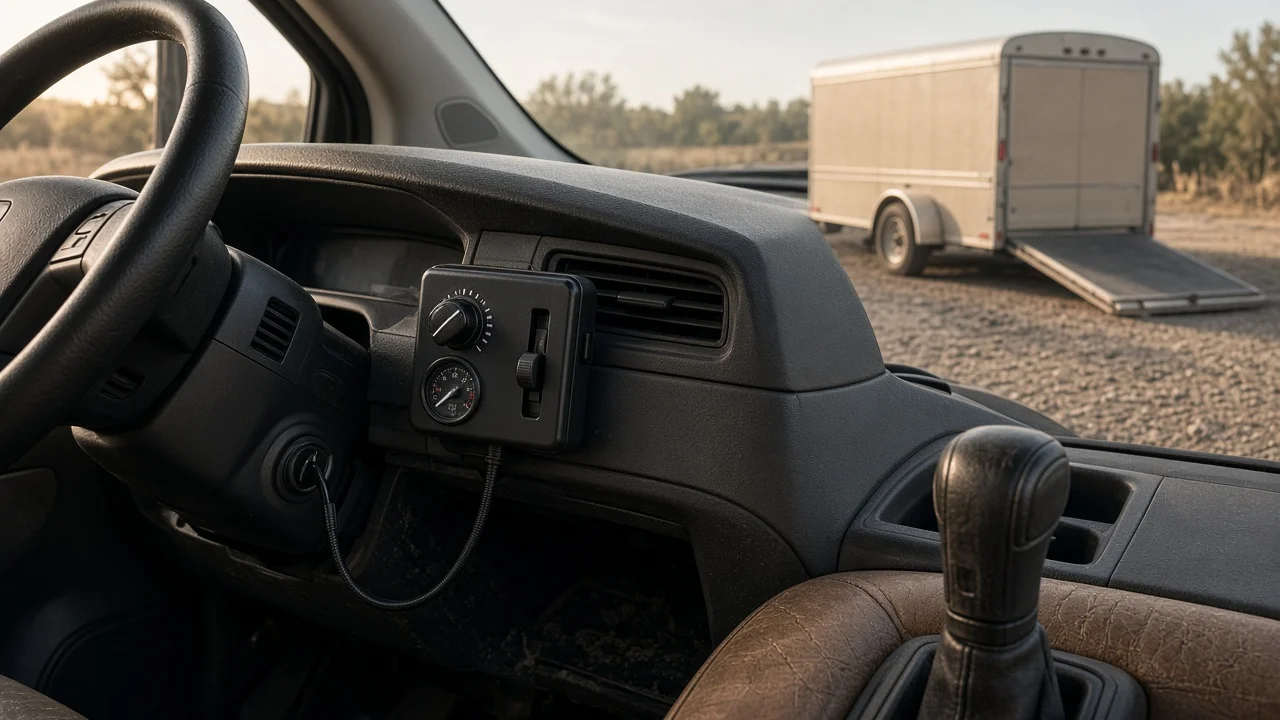
A NAPA trailer brake controller question usually starts when a tow vehicle needs predictable, progressive braking for a heavier trailer. The controller is the in-cab interface and logic unit that sends a modulated signal to electric trailer brakes, helping the combination stop more evenly. Because NAPA supplies parts across many categories rather than building one proprietary line, the most useful first step is identifying the controller type, its mounting and adjustment style, and whether it matches the trailer’s brake system and the truck’s existing wiring. This overview explains how that equipment works and what to check before selecting or installing one.
Essential answer
A NAPA trailer brake controller is a driver-operated control module intended for trailers with electric brakes. It reads braking demand through vehicle movement or a direct connection to the tow vehicle’s brake-light circuit, then sends a proportional voltage signal to the trailer’s brake assemblies. The controller adjusts how strongly and how quickly the trailer brakes engage, which helps reduce trailer push, hitch shock, and the extra stopping distance caused by added weight.
The NAPA name describes retail availability and likely application coverage rather than a single manufacturer or limited part number. These controllers are typically offered as time-delayed or proportional models in under-dash, plug-in, or remote-mount configurations. Before purchase, the relevant checks are the number of axles, brake type, tow vehicle connector and pre-wired plug, and whether the controller is intended for electric or electric-over-hydraulic operation. Without that information, fitment and setup cannot be assumed from the search term alone.