NAPA Tire Pressure Gauge
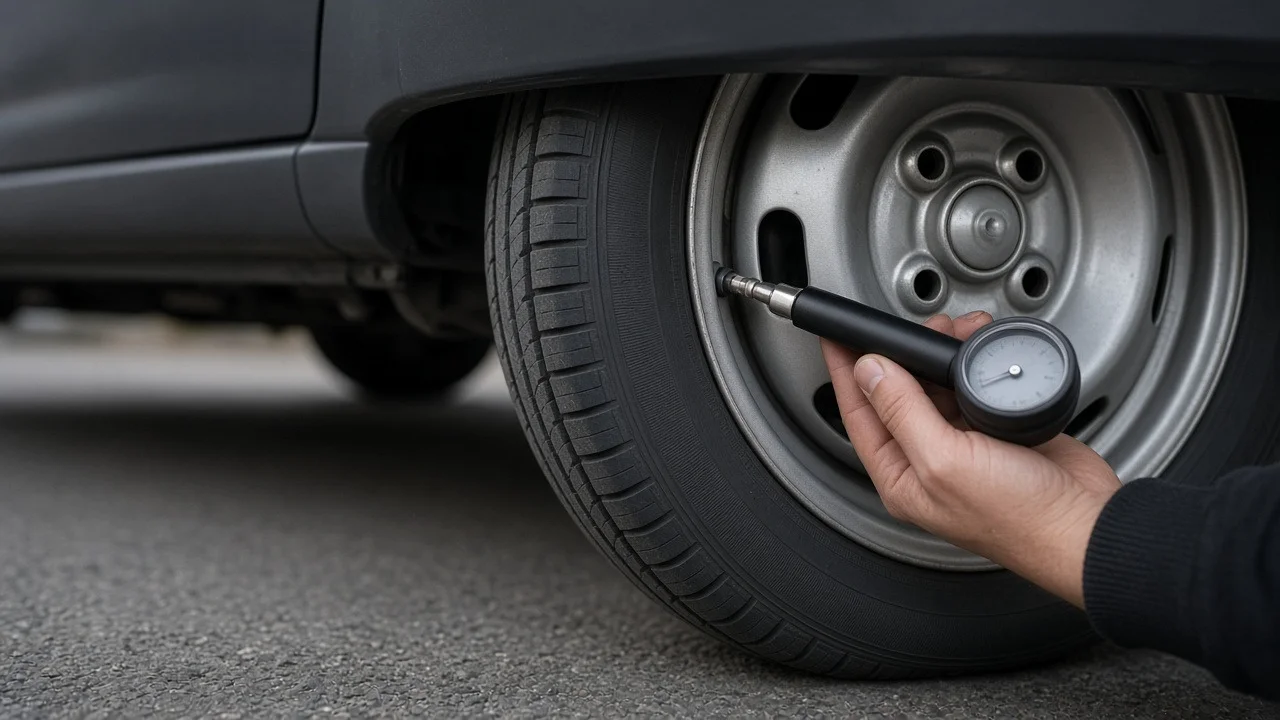
A tire pressure gauge is a small tool that has an outsized effect on tire wear, fuel use, braking traction, and steering feel. Shoppers comparing a NAPA tire pressure gauge with other options are often deciding between a traditional stick-type gauge and a NAPA digital tire pressure gauge, and they want to know which design fits their glovebox and reading habits. The practical answer comes down to how the gauge connects to the valve stem, how repeatable its readings are, and how clearly it displays psi or other units.
The direct answer
A NAPA tire pressure gauge is a practical choice for checking inflation pressure at home or on the road, and the immediate answer is that it should work as a basic diagnostic tool on most cars and light trucks with standard Schrader valve stems. The key condition is choosing a gauge with a measurement range and scale that clearly includes the pressures your vehicle is likely to use, usually somewhere between roughly 20 and 60 psi for many passenger vehicles, while some light trucks or heavy-duty tires may sit higher.
Accuracy and repeatability matter more than the exact brand marking. With a NAPA digital tire pressure gauge, the electronic sensor converts air pressure into a number on a display, which can reduce the guesswork of reading small hash marks in low light. A mechanical gauge can still be accurate, but it benefits from a secure connection, a clean sealing surface, and careful handling. Whichever style you prefer, compare the displayed reading with the vehicle specification on the door jamb label, not the maximum pressure molded into the tire sidewall.