NAPA brake pads
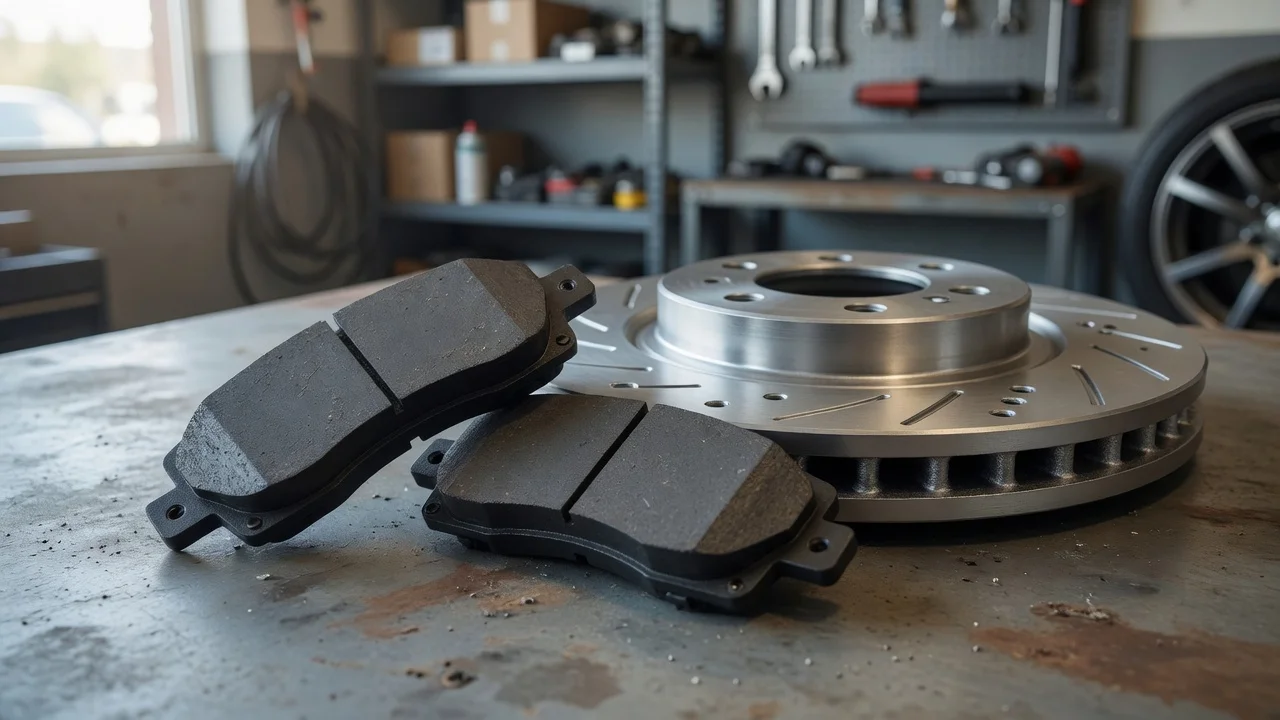
What NAPA brake pads are
NAPA brake pads are replacement friction pads sold through NAPA Auto Parts, typically under NAPA house brands and as other brands stocked in the same catalog. They are not a single product. The right pad is the one that matches your vehicle’s year, make, model, market, trim, and brake system, then matches the compound and quality line you intend to use.
A search for NAPA brake pads is usually a parts-and-fitment question: which pad belongs on this car, and which grade is a reasonable next step. Compatibility is the first filter. Brand and compound come after that.
Fitment comes first
Brake pads are axle- and application-specific. Front and rear pads are often different shapes, thicknesses, and hardware kits. Two cars that look similar can use different pads if they have different calipers, different rotor sizes, performance packages, or market-specific brake hardware.
Confirm year, make, model, and the market the vehicle was built for. Note trim, engine, and any towing, heavy-duty, or performance brake package. Identify whether you need front, rear, or both axles. Match the pad to the caliper and rotor actually on the vehicle, not only to the model name. If the car has been modified, or if a previous owner mixed hardware, use the part numbers on the old pads or calipers rather than assuming stock fitment.
Unresolved differences in trim, brake package, or aftermarket calipers can change the part number. If those details are unknown, stop at identification. Do not order from model name alone.
Pad compound and what it changes
Once fitment is correct, the remaining choice is usually compound and product line. NAPA catalogs commonly include ceramic and semi-metallic pads, sometimes with more than one quality tier for the same vehicle. Compound affects noise, dust, bite, heat capacity, and rotor wear. It does not change whether the pad physically fits.
Compound Typical use Trade-offs to weigh; Ceramic Daily driving, many passenger cars and light crossovers Often quieter and lower dust; may feel less aggressive under repeated hard stops until the pad is bedded and at operating temperature; Semi-metallic Heavier vehicles, towing, frequent mountain or high-heat use Often stronger high-heat bite; can be noisier and produce more dark dust, and may wear rotors faster depending on the specific formula; Organic / NAO Lighter-duty applications where quiet operation is the priority Usually gentler on rotors and quieter at low speed; heat capacity is typically lower than a semi-metallic pad for the same duty cycle
Those are category tendencies, not test results for a named NAPA SKU. Two pads in the same compound family can still differ in shims, slots, chamfers, hardware, and friction formula. Choose the line that matches how the vehicle is used, then confirm that the catalog listing is for that exact application.
How to choose a suitable set
For most street vehicles, a correctly fitted ceramic pad from a current NAPA application listing is a practical default. Step toward a higher-heat or semi-metallic listing if the vehicle tows, carries heavy loads, sees long downhill braking, or already glazes or fades pads that were adequate in lighter use.
Replace pads as an axle set, both left and right, so friction and thickness stay matched. Inspect rotors at the same time. Grooves, a pronounced lip, heat spots, or thickness below the discard spec usually mean the rotor should be machined or replaced with the pads. Plan on new abutment clips, anti-rattle hardware, and a thin film of the lubricant the pad kit or service information specifies on contact points only, never on the friction face. Check whether the listing includes wear sensors or whether those are a separate part. Some vehicles use a sensor on one side only. If the vehicle has electronic parking brake rear calipers, follow the service procedure to retract the piston. Forcing it can damage the actuator.
What a NAPA listing does and does not tell you
A NAPA catalog entry answers whether that SKU is intended for a stated vehicle and axle. It does not, by itself, prove remaining rotor thickness, caliper slide condition, or whether a previous install used the wrong hardware. It also does not establish a universal quality ranking across every NAPA line and every competing brand.
Read the application notes on the listing. Some pads are for specific production date ranges, VIN splits, or brake packages. If the notes conflict with the vehicle in front of you, treat the listing as unmatched until the split is identified.
Installation and bedding
New pads need clean, sliding calipers and a rotor surface the pad can bed against. Seized slides, collapsed hoses, or a tapered rotor will make even a correct pad pull, grind, or wear unevenly. Torque the wheel and caliper fasteners to the vehicle specification after the job, then bed the pads with a series of moderate stops from moderate speed, with cooling time between them, unless the pad maker publishes a different procedure for that part.
A short period of reduced bite or light noise after a pad change can occur until the friction surface and rotor transfer film form. Persistent grinding, a pull, a soft pedal, or a warning lamp is a fault, not a break-in quirk. Recheck fluid level, sensor connectors, hardware, and rotor condition before driving further.
A practical next step
Identify the exact vehicle and axle, confirm the brake package, then select the NAPA pad listing that matches that application and the duty you actually put on the brakes. Buy the matching hardware and, if the rotors are worn, a matching rotor set. If year, trim, or caliper identity is still unknown, get those details from the vehicle or from the old pad and caliper markings before ordering.