Motorcycles for Tall Riders: How to Find a Bike That Actually Fits
The Short Answer
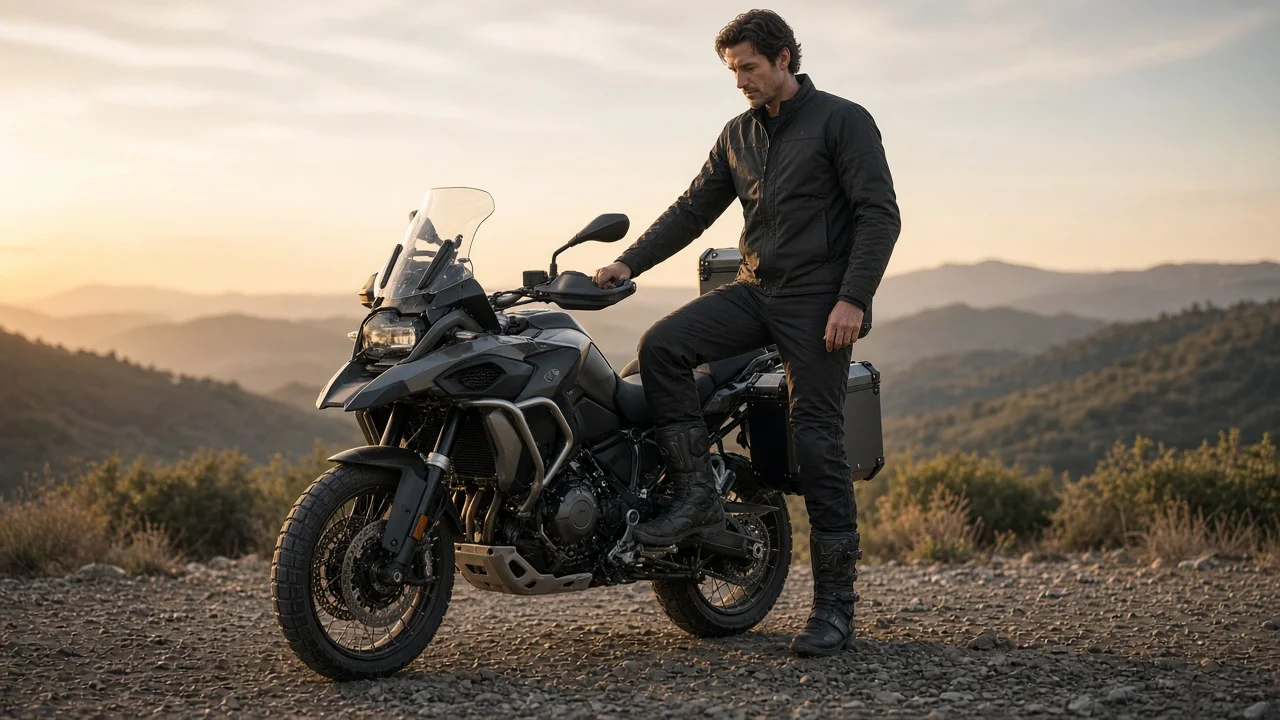
Tall riders are usually best served by motorcycles with generous distance between the seat, footpegs and handlebars, rather than by any single brand or model. Adventure bikes, dual-sport machines, touring motorcycles and many upright standard or naked bikes tend to offer more room than compact sportbikes or low-slung entry-level machines. Fit is individual, though: overall height matters less than how your inseam, torso length and arm reach line up with a specific bike's controls. The most reliable way to choose is to sit on, and ideally ride, the bikes on your shortlist.
This guide covers general fit principles and motorcycle categories. No verified specifications, measurements, prices or model-year details were available for it, so it does not list seat heights or recommend particular models. Check current manufacturer specifications for the exact model year, trim and market you are considering, as ergonomics can change between generations and some versions ship with different seats or suspension.
Why Tall Riders Struggle With Fit
Most motorcycles are designed around an average-sized rider. When a taller person sits on a bike built for a smaller frame, a few problems tend to appear together: knees bent sharply, thighs angled upward, the torso hunched toward bars that feel too close, and the head sitting in turbulent air above the windscreen. On a short ride these may be minor annoyances; over a longer day they can lead to knee, hip, back and neck discomfort, and a cramped position can make it harder to move around on the bike and control it smoothly.
Understanding the Rider Triangle
The rider triangle is the relationship between three contact points: the seat, the footpegs and the handlebars. Together they set your knee bend, how far you lean forward and how your arms are positioned. Seat height alone is a poor guide to fit, because a tall seat paired with high footpegs can still leave your knees cramped, while a moderate seat with lower, more forward pegs may feel roomy. When comparing bikes, look at the whole triangle, not just a single number on a spec sheet.
Seat-to-peg distance: determines how sharply your knees bend; tall riders generally want more of it. Seat-to-bar distance and bar height: determines how far you reach and how much you lean forward. Seat shape and length: a longer, flatter seat lets you slide back to find more room. Wind protection height: affects whether air flows cleanly over your helmet or buffets it.
Motorcycle Categories That Often Suit Tall Riders
The following is an editorial overview of how categories typically compare, not a set of tested findings. Individual models within each category vary considerably.
Category | Why it can suit tall riders | Points to check; Adventure and adventure-touring | Typically tall seats, upright posture and long-travel suspension that create room between seat and pegs | Weight and height can make low-speed handling and stops harder; screen height may cause buffeting for very tall riders; Dual-sport and off-road-oriented | Tall, narrow chassis with lots of legroom and a standing-friendly layout | Seats can be narrow and firm for long road rides; limited wind protection; Touring | Roomy layouts, often with adjustable seats or screens and space for a passenger | Large size and weight; fairings and screens may sit in the wrong place for a tall rider's head; Standard and naked | Neutral, upright posture that many riders find adaptable | Some smaller-displacement versions have compact ergonomics; Cruisers with forward controls | Forward-mounted pegs can stretch the legs out | Low seats can push the knees up; a feet-forward posture puts weight on the tailbone and lower back; Sportbikes | Generally not ideal, with high pegs and low bars | Sport-touring variants often offer a more relaxed version of the layout
Adjustments That Can Improve Fit
If a motorcycle is close to right but not quite there, aftermarket or factory options can often close the gap. Availability depends on the specific model, and changes to suspension or controls should be done correctly, since they can affect handling, ground clearance and component clearances.
Taller or reshaped seats: add height or let you sit further back, reducing knee bend. Factory seat height settings: some bikes offer adjustable rider seats as standard or optional equipment. Footpeg lowering kits: drop the pegs to open up the knee angle. Handlebar risers or alternative bars: bring the grips higher or closer to reduce forward lean. Taller or adjustable windscreens: move the airflow above your helmet; in some cases a shorter screen gives cleaner air than a tall one. Suspension changes: some bikes can be raised, but this affects geometry and should be handled with care.
Carrying a Passenger as a Tall Rider
Tall riders tend to sit further back on the seat, which can shrink the space left for a passenger. If you plan to ride two-up, check how much pillion seat remains when you are in your natural position, whether the passenger pegs leave your passenger's knees cramped, and whether the bike has grab handles or a backrest. Touring and larger adventure models are generally designed with passenger space in mind, but this varies by model, so test it with both of you aboard. Also confirm the bike's load limits in the owner's manual, as a tall rider, passenger and luggage together can approach them.
How to Test Fit Before You Buy
Sit on the bike in your riding boots and normal riding gear, as boots add height and gear adds bulk. Take your natural position, then check your knee angle, how your hips feel and whether you are leaning onto your wrists. Turn the bars to full lock in both directions and confirm your knees and hands clear the tank, fairing and mirrors. Check that you can stand comfortably on the pegs if you plan to ride off-road. If possible, take a test ride long enough to notice discomfort, since a few minutes in a showroom may not reveal problems. Sit behind the windscreen at speed if you can, to check for helmet buffeting. Use online ergonomics comparison tools as a starting point, but confirm the results in person.
A Note on Forum and Reddit Advice
Rider forums and Reddit threads can be useful for discovering models other tall riders like and for learning which aftermarket parts work on a particular bike. Treat these as personal anecdotes rather than measurements: two riders of the same height can have very different inseams, torso lengths and comfort preferences, and posts may refer to older model years with different ergonomics. Use community suggestions to build a shortlist, then verify fit yourself.
Bottom Line
For tall riders, the right motorcycle is the one whose seat, pegs and bars give your particular body room to relax, which most often points toward adventure, dual-sport, touring or upright standard bikes. Use categories to narrow your search, check current specifications for the exact model year and market, consider adjustments where a bike comes close, and make your final decision after sitting on and riding the bike in your own gear.