Motorcycle Trailer Hitch Balls
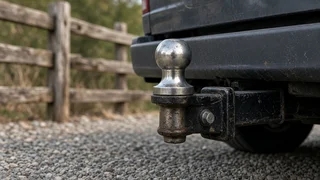
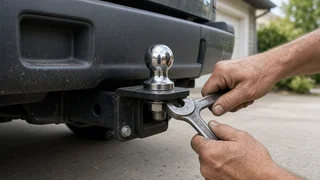
Choosing a motorcycle trailer hitch ball starts with two concerns: the ball diameter must match the trailer coupler, and the mounting shank must fit the receiver or swivel base on the motorcycle. A common setup uses a 1-7/8-inch ball, but checking the coupler marking before buying avoids a dangerous mismatch. Since motorcycle payload and hitch tongue weight are limited, the ball and mount also need to be compact, corrosion-resistant, and rated for the small trailer’s loaded weight rather than borrowed from a larger tow vehicle without checking the configuration.
The direct answer
Select a motorcycle trailer hitch ball by matching the stamped ball diameter to the trailer coupler and the threaded shank diameter and length to the motorcycle hitch’s ball mount hole. The most relevant measured search wording points to a conventional ball or a swivel hitch ball, and the correct choice depends on that physical fit. Never assume size from appearance. If the coupler is unmarked, measure its inside socket carefully because a loose 1-7/8-inch ball in a 2-inch coupler can separate under load, while a 2-inch ball will not seat in a 1-7/8-inch socket.
The second condition is the motorcycle’s limited towing capacity. Even a properly sized ball cannot compensate for excessive trailer weight or tongue weight. Check the motorcycle’s gross vehicle weight rating, rear axle rating, and any hitch rating before loading the trailer. A swivel hitch ball can reduce binding during low-speed maneuvers, but it does not raise the combined weight rating or make an overloaded trailer safe. The practical next step is to verify the coupler marking, the hitch plate hole, and the total loaded trailer weight before purchase.