European trailer hitch ball size
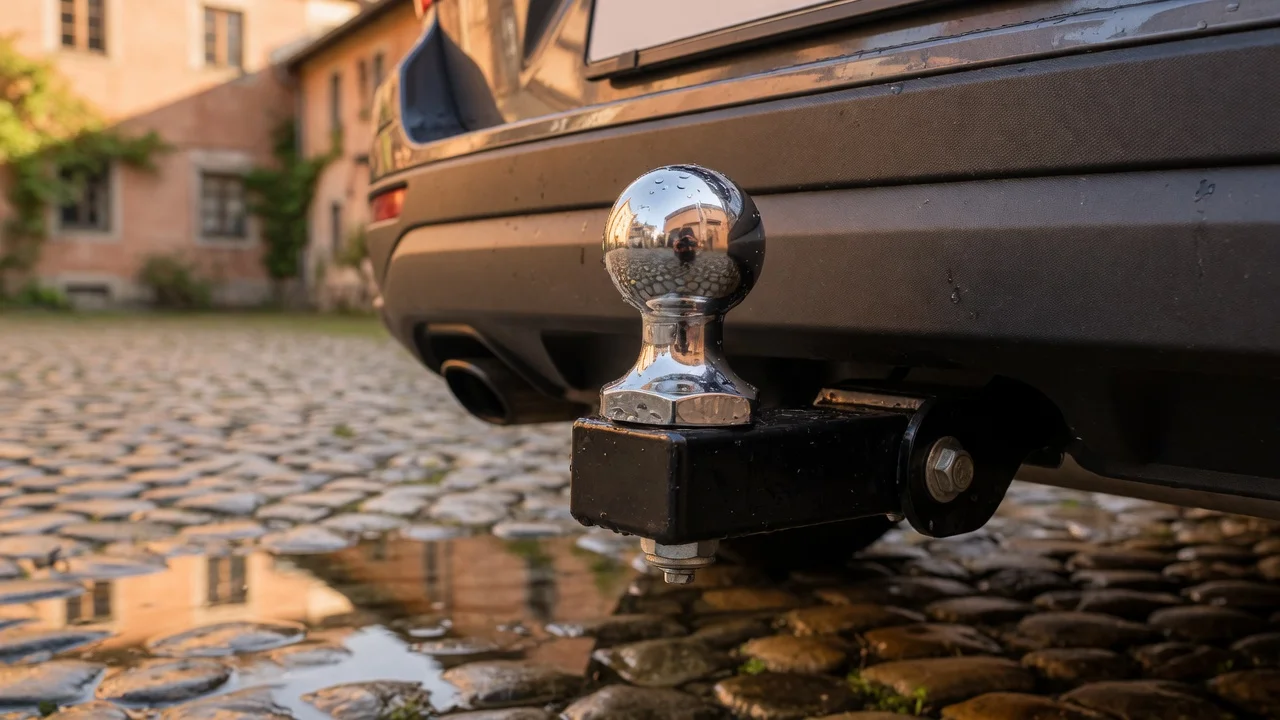
Direct answer
The common European trailer hitch ball diameter is 50 mm. This is the standard ball size used by a large share of passenger cars, SUVs and light trailers across Europe, and it is specified under the relevant European towing standards. The question is slightly ambiguous, however, because European towing equipment can include other ball sizes and older or niche coupling systems. In practice, when a vehicle owner asks what ball size fits a typical European trailer coupler, 50 mm is the number to start with.
Why the 50 mm ball is the normal reference
European small trailers, camping trailers and light utility trailers normally use a towball with a 50 mm diameter ball. The corresponding trailer coupler is designed to clamp around that ball. The neck below the ball is also part of the fit, but the ball diameter is the figure most people ask about when identifying or replacing a hitch.
How European size compares with North American sizes
North American trailer balls are commonly named in inch sizes such as 1 7/8 inch, 2 inch and 2 5/16 inch. The European 50 mm ball is close to 2 inch, but close is not the same as interchangeable. A trailer coupler must match the intended ball size and standard, so a European 50 mm coupler should not be treated as compatible with a 2 inch ball merely because the dimensions are near each other.
What to check before coupling
Confirm the ball diameter marked on or specified for the trailer coupler, and check that the towbar or hitch ball fitted to the vehicle is also 50 mm where a European trailer is being used. The quickest reliable step is to use the coupler's stated size and perform the normal coupling check after fitting. Do not infer ball size from the vehicle make alone because hitches are installed or replaced as accessories and may vary by market or fitment.
Known gaps
This guide does not list every European coupler size because model-specific or heavy-duty equipment may use a different ball or coupling design. Model year, market and the specific trailer coupler should be checked where the relevant manual or rating plate is available.