Motorcycle Tire Pressure in Cold Weather
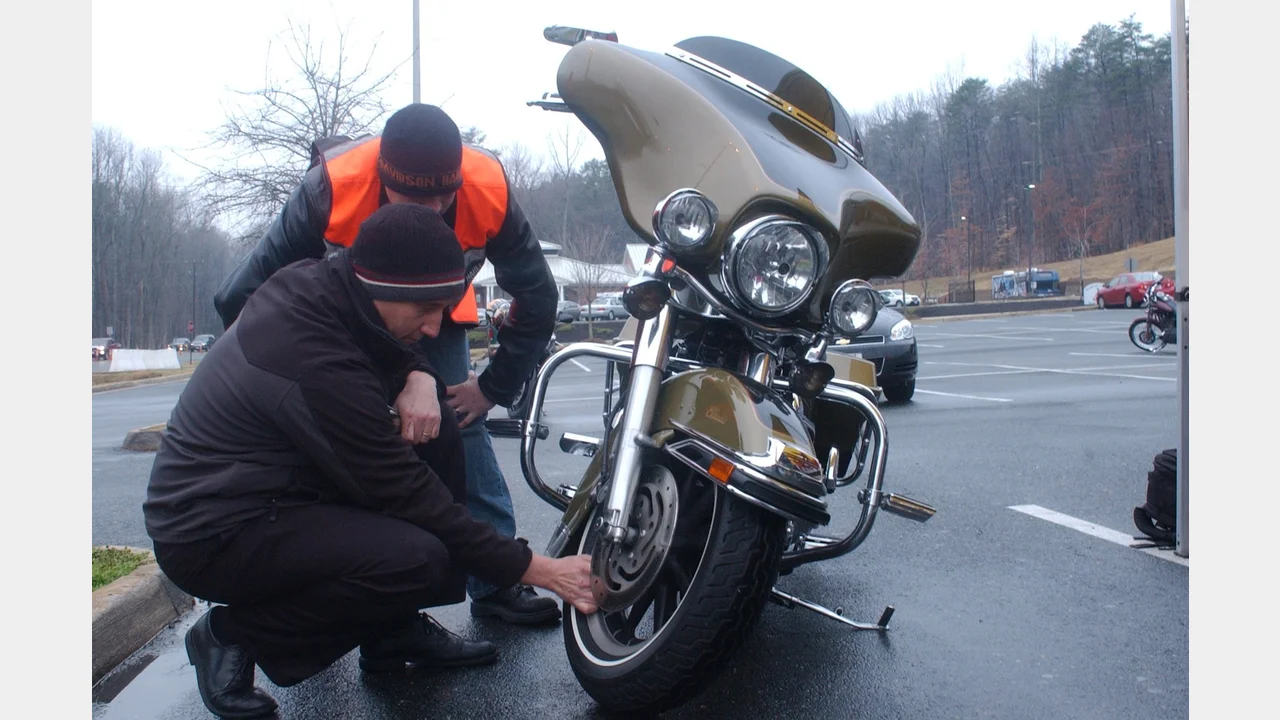
Cold weather changes how a motorcycle tire behaves before the wheels even begin to turn. As the temperature drops, the air inside the tire contracts, lowering inflation pressure and altering the contact patch. Riders who check pressures only during warm months may be surprised by how differently the bike steers, brakes, and grips on a cold morning. Understanding motorcycle tire pressure in cold weather helps you compensate for these predictable changes and maintain consistent handling, traction, and tire life when the mercury falls.
Essential answer
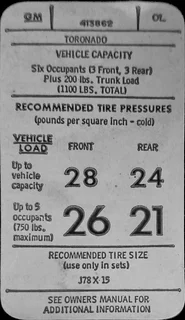
When a motorcycle tire is exposed to cold air, its internal pressure decreases because gases contract as they cool. The result is a softer tire with a larger, less uniform contact patch. For a given tire size and load index, the motorcycle may feel vague in corners, require more effort to turn, and respond more slowly to steering inputs. Pressure should be restored to the value recommended on the vehicle placard or owner's manual, using a reliable gauge before riding.
Cold riding also reduces the tire's ability to generate heat from flexing and road friction. A tire that starts at the correct inflation pressure warms more evenly and maintains the speed rating's intended handling envelope. Conversely, a tire left underinflated in cold weather flexes excessively, builds irregular internal heat, and can suffer accelerated wear at the edges. Checking pressure when the tire is cold provides a consistent baseline for making these adjustments.