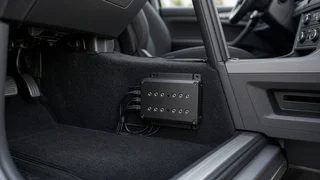
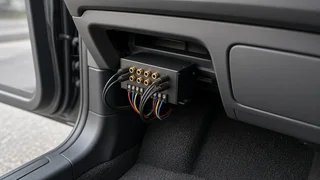
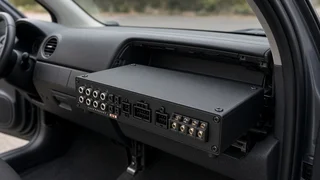
Mosconi Car Audio DSP
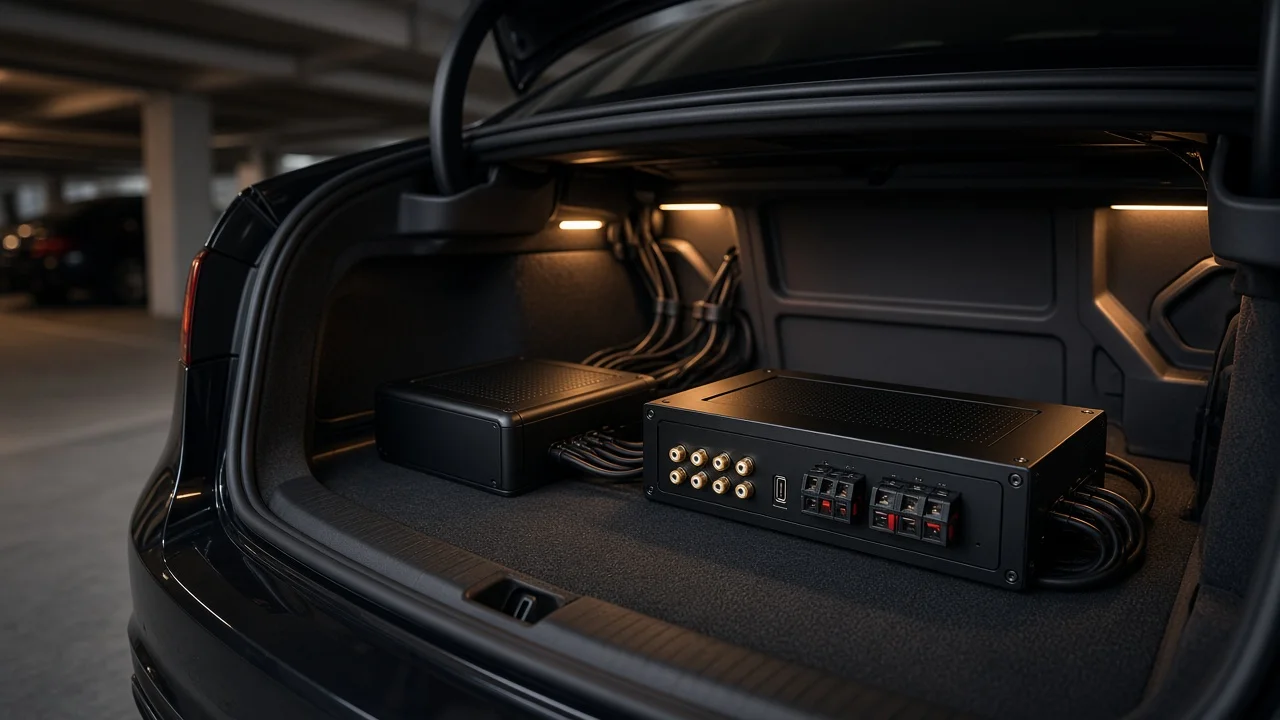
Choosing a Mosconi DSP for a car audio system usually means moving beyond basic tone controls and speaker-level filters into a platform where the acoustic environment itself can be measured and corrected. Shoppers researching Mosconi DSP car audio often need to weigh how a processor communicates with factory electronics, manages different audio source signals, and adapts to the existing speaker wiring. The buying decision becomes clearer when the hardware is evaluated not just as a power accessory, but as a way to preserve a clean signal from the head unit through every downstream component.
The direct answer
A Mosconi car audio DSP is primarily a signal-management device, so the immediate answer is that it can improve clarity and staging when the rest of the system is compatible and the tune is realistic. The processor sits between the audio source and the amplifiers, giving you control over crossover points, time alignment, and equalization. Vehicle integration matters because the processor still depends on the quality of the signal it receives from the head unit or factory amplifier.
The direct answer also requires a qualification: a DSP does not repair a damaged speaker, poor antenna reception, or compromised signal reception upstream. If the source is noisy or the speaker wiring is marginal, the processor can only manage what reaches it. In a commercial buying context, treat a Mosconi unit as a precision tool that rewards clean voltage, stable grounding, and a methodical approach to tuning rather than as an automatic fix for every acoustic flaw.