Mitsubishi Lancer/Outlander Steering Angle Sensor
A steering angle sensor issue on a Mitsubishi Lancer or Outlander can transform routine driving into a warning-light puzzle. This component measures how far the steering wheel is turned and reports that position to stability and traction systems. When the signal becomes implausible, the vehicle may disable electronic aids or illuminate a dash indicator. The following overview explains what the sensor does, why it matters within the steering system, and how symptoms point toward calibration or component concerns without assuming a specific failed part.
Essential answer
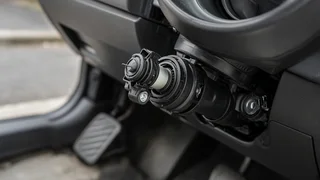
The steering angle sensor is an electronic input that tells the control modules where the front wheels are being pointed relative to the steering wheel. On Lancer and Outlander models equipped with stability control, that data helps the system compare the driver's intended path with the vehicle's actual yaw motion. If the reading is missing or far outside the expected range, the module cannot trust the signal. It may then disable traction or stability intervention and store a fault code. The sensor itself is often combined with the clockspring assembly behind the steering wheel, though the exact packaging can vary by model year and market.
Because the value is a calculated reference rather than a direct measurement of the wheels, zero-position calibration matters. A wheel alignment or suspension repair changes the relationship between the steering rack, column, and sensor. Until the sensor is reset or relearned, the corrected straight-ahead position may not match what the sensor reports as center. That mismatch can produce a stability warning even when the suspension work was performed correctly. Distinguishing a calibration concern from an internal electrical failure requires interpreting live data and stored codes for the specific vehicle.