Mini Clubman Petrol Engine Oil: Specifications, Viscosity and Change Guidance
Direct answer: which oil suits a petrol Mini Clubman
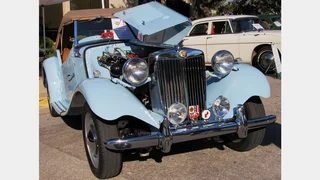
Petrol Mini Clubman models require a fully synthetic engine oil that meets BMW Longlife-01 or the equivalent ACEA A3/B4 specification. The most common viscosity grade is 0W-30 or 5W-30, depending on generation, engine and ambient temperature. The exact oil specification matters more than brand; an oil should carry an approval such as BMW Longlife-01, API SN or a manufacturer-specific certification for the car. This answer applies to the second-generation Clubman from 2007 and the third-generation Clubman from 2015 onward, because these generations use petrol engines shared with the wider Mini and BMW range. Earlier first-generation Clubman models from the late 1960s are outside normal modern-oil guidance and need separate treatment.
Oil specification and viscosity by generation
Second-generation Mini Clubman petrol models, sold from roughly 2007 to 2014, commonly use naturally aspirated or turbocharged four-cylinder engines. The typical requirement is a fully synthetic oil meeting BMW Longlife-01, ACEA A3/B4. Viscosity grades of 0W-30, 5W-30 or 0W-40 are usually acceptable, but the owner’s manual or under-bonnet label should confirm the preferred grade. Third-generation Clubman petrol models from 2015 onward use BMW B-series three- and four-cylinder engines. Many of these specify a low-viscosity oil to protect emissions systems, often with BMW Longlife-04 or Longlife-17 FE+ approval. Depending on the market, 0W-20 or 5W-30 may be required. The Cooper S and John Cooper Works petrol versions can have different heat demands than base Cooper versions, so the approved specification should always be checked against the specific engine code.
Why the approval label matters more than the brand
Engine oil is not interchangeable simply by viscosity. A 5W-30 oil may not meet the required BMW approval even if it pours with the same thickness at cold and hot temperatures. The approval confirms that the oil passed specific wear, deposit, fuel-economy and emissions tests relevant to the engine. Using an oil with the correct viscosity but without the correct approval can reduce protection over long intervals or affect petrol particulate filter systems in later models. Common approvals seen on suitable oils include BMW Longlife-01, BMW Longlife-04, BMW Longlife-17 FE+, ACEA C2 or C3 depending on the model year and market. Some later petrol Clubman engines require an oil that is safe for petrol particulate filters and catalyst systems, which is a separate requirement from basic engine protection.
Typical oil capacity and service intervals
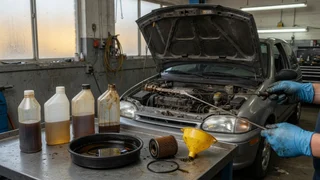
Engine oil capacity for petrol Mini Clubman models varies with the engine. Many second-generation 1.6-litre petrol engines take around 4.2 to 4.5 litres including the filter. Third-generation 1.5-litre three-cylinder engines often take about 4.25 litres, while 2.0-litre four-cylinder engines may take around 5.25 litres. These figures should be treated as a guide; the final fill should always be checked with the dipstick or electronic oil-level readout after a short run and settle period. Manufacturer service intervals are condition-based, meaning the car calculates when an oil change is due from driving style, trip length and load. Typical intervals range from around 10,000 to 15,000 miles or 12 to 24 months, whichever comes first, but vehicles driven hard or mostly on short trips may request changes sooner.
Petrol particulate filter considerations on later models
Some later petrol Mini Clubman models are fitted with a petrol particulate filter. These systems are sensitive to ash-forming oil additives, so an oil with a low SAPS formulation may be required. That is one reason a later car may specify BMW Longlife-04 or Longlife-17 FE+ instead of older Longlife-01. Using a full-SAPS oil intended for earlier engines can increase ash accumulation in the filter over time. The opposite is also relevant: an older engine without a petrol particulate filter should receive the specification its manufacturer calls for, rather than automatically using a low-SAPS oil.
Checking the oil level correctly
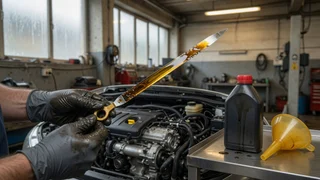
Petrol Mini Clubman models may have a conventional dipstick or an electronic oil-level sensor, depending on generation and engine. The car should be parked on level ground, and the engine should have been off for several minutes before checking. If an electronic check is used, the vehicle settings typically display the oil level after the engine is warm and the car is stationary. Oil should be added in small increments, such as 0.25 litre, with a short wait before rechecking. Overfilling can cause excess crankcase pressure and oil consumption through the breathing system, so the maximum mark should not be exceeded.
Material uncertainty and gaps in supplied evidence
The available evidence does not include a complete engine-by-engine oil approval table for every petrol Mini Clubman variant across all markets. Exact capacities, approvals and viscosity grades can differ by model year, engine code, emissions equipment and regional specification. The figures given here should be verified against the owner’s handbook or a VIN-specific parts catalogue before purchase. No firsthand testing or independent laboratory data is implied; the guidance summarises documented manufacturer specifications and typical service information only.