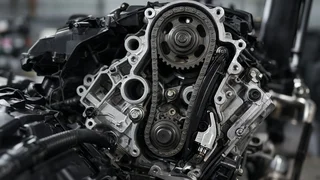
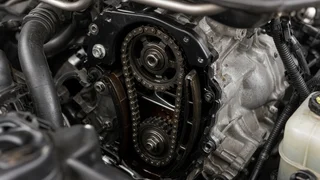
Mini 1.6 diesel timing chain

The Mini 1.6 diesel timing chain raises questions about durability, replacement intervals, and how this engine differs from others. Diesel compression makes precise valve and injection timing essential, so the chain is a critical link between the crankshaft and camshaft. While chains generally outlast belts, oil quality, tensioner condition, and driving patterns influence their service life. Understanding the related fuel system, including high fuel pressure at the injector and delivery from the fuel pump, helps owners interpret early warning signs such as rattling or diagnostic trouble codes before a minor issue becomes major engine damage.
Essential answer
A timing chain on a Mini 1.6 diesel synchronizes the crankshaft and camshaft so that intake and exhaust valves open at the correct piston position. The diesel engine configuration relies on very high compression to ignite fuel, which makes accurate chain control especially important. A stretched chain or weak tensioner can shift valve timing enough to reduce performance, increase emissions, or trigger fault codes. Because the chain is engine-lubricated, its condition is closely tied to oil level and oil change history rather than a fixed replacement schedule alone.
Fuel delivery also depends on that mechanical timing. The high-pressure fuel pump is driven by the engine and must deliver fuel at the precise moment the injector opens. If chain wear moves the relationship between the pump, camshaft, and crankshaft, fuel trim and combustion quality can drift. A rough idle, hard starting, or noise near the timing cover may therefore point to chain or tensioner wear. However, similar symptoms can come from a restricted fuel filter or a pump leak check result, so the chain should be inspected rather than assumed failed from a code.