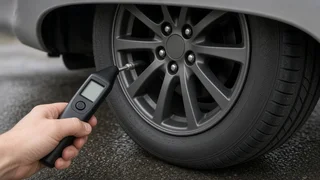
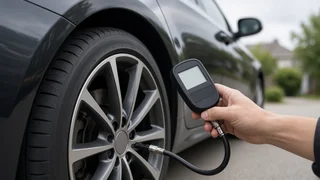
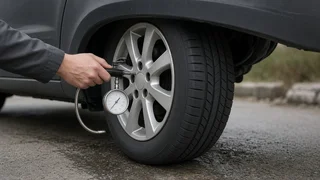
Michelin Digital Tire Pressure Gauge
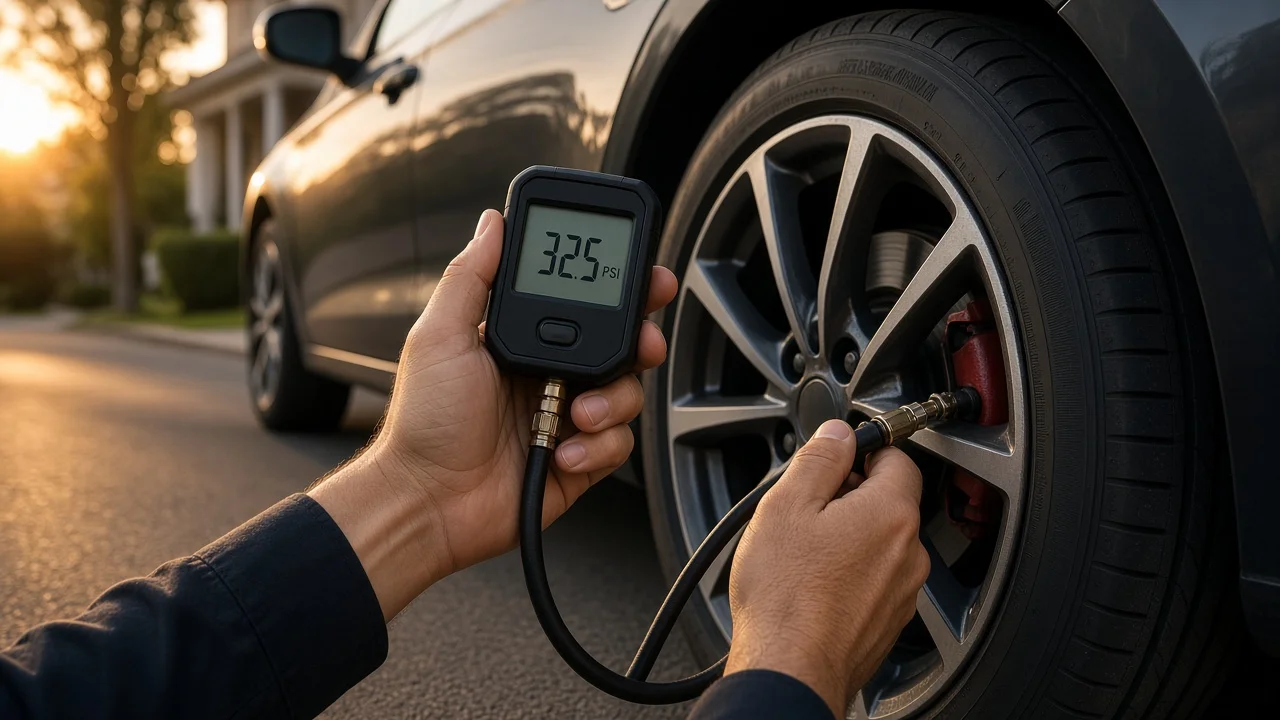
A digital tire pressure gauge turns irregular pressure checks into a quick, repeatable habit. For drivers comparing the Michelin digital tire pressure gauge and programmable variants, the practical question is whether the tool reads reliably, feels secure on the valve stem, and displays values in a useful format. Choosing well means matching measurement range, accuracy, and connection ergonomics to your tires and typical driveway conditions, rather than relying on a fuel-station gauge of unknown care.
The direct answer
For most owners, a Michelin digital tire pressure gauge is best judged by two functional qualities: how closely its reading tracks actual tire pressure and how consistently it seals against the valve stem during a measurement. A digital display reduces the guesswork of reading a sliding scale in poor light, while a firm connection limits the small air release that can distort the result. The immediate answer is to select a gauge whose stated measurement range comfortably covers your vehicle specification, including cold inflation pressures and any higher spare-tire or loaded-condition values.
Programmable or model-specific choices such as a Michelin 12290 digital tire pressure gauge do not change the core job of the tool, but they may add conveniences like saved target pressures or selectable units. Those features are helpful only if they simplify a routine you already perform. Before purchase, confirm that the display reads in the units you naturally use and that the gauge body lets you hold the chuck square on the stem, because a crooked connection or repeated re-seating can produce readings that vary by several psi across attempts.