Meritor WABCO vehicle control systems
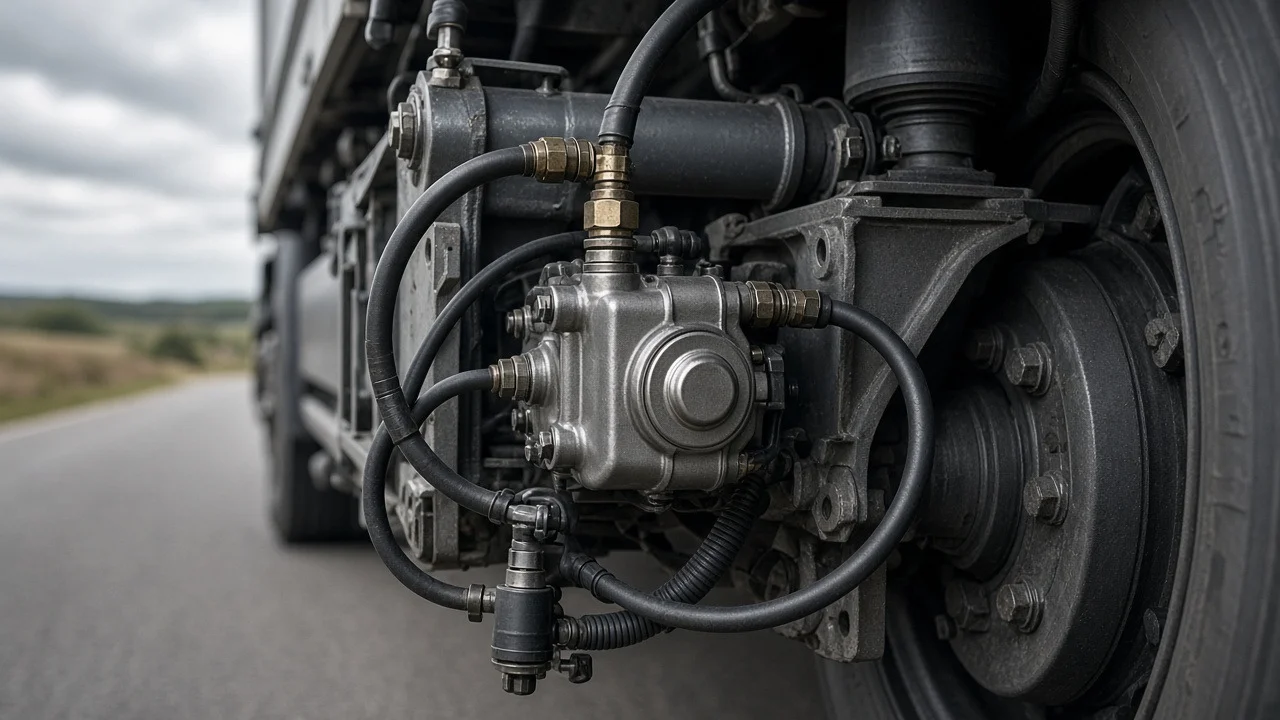
Meritor WABCO vehicle control systems are the integrated electronic and pneumatic components that help heavy-duty trucks and trailers brake, shift, and manage stability with a coordinated system response. A driver or fleet researcher encountering this name is usually looking at commercial vehicle controls rather than passenger-car modules. The hardware combines a control module, switch inputs, and air-system actuators, and each operating state must match the vehicle configuration. Because manufacturers tailor these systems across platforms, identifying the exact assembly and its function label is a useful first step before comparing specifications or planning service work.
Essential answer
The essential answer is that Meritor WABCO vehicle control systems describe a family of commercial-vehicle control products built around the electronic management of braking, transmission automation, and related chassis functions. These systems interpret switch inputs from the driver or from other vehicle controllers and then command pneumatic or electrical outputs to produce a predictable system response. The equipment is most relevant on line-haul trucks, vocational chassis, and trailers where air brakes, automated manual transmissions, and stability functions need to work together.
Understanding the scope matters because Meritor WABCO is not a single component but a category. Depending on the vehicle configuration, the term can point to an antilock braking module, an electronic air-processing unit, a transmission control interface, or a stability-control package. Each control module stores information about its expected operating state, and a mismatch between the installed hardware and the programmed configuration can change how the system behaves. That is why a navigational search often ends at a product family page rather than a single part description.
Identification and location
Identifying one of these systems usually begins with the labels on the control module or the surrounding valve assembly. Look for a function label that names the role the unit performs, such as braking, stability, or transmission automation. The label often appears with a part number or manufacturing code that helps distinguish similar housings. Because the same module family can support several vehicle layouts, the mark is only a starting point and should be checked against the vehicle's documentation for the applicable vehicle configuration.
Location depends on the type of commercial vehicle, but many modules are mounted on a frame rail, inside a cab electrical center, or near the air dryer and service-brake valves. A trailer control unit may sit on a crossmember near the axles, while a transmission-related controller is often closer to the cab or gearbox area. Comparing the visible connector shape, mounting orientation, and nearby plumbing can reduce confusion between visually similar modules, especially when a fleet has multiple chassis generations in service.