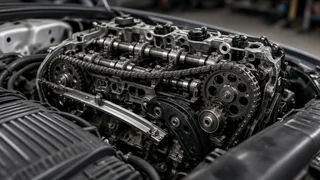
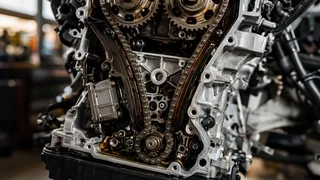
Mercedes M276 timing chain replacement

The Mercedes-Benz M276 V6 engine family replaced earlier designs with a smoother, more compact architecture, but owners researching an M276 engine timing chain replacement often want to know whether this service is a routine repair or an unusual failure. Unlike some earlier Mercedes engines with widely discussed chain stretch problems, the M276 uses different construction and component placement. Understanding its chain layout, wear warning signs, and why replacement becomes necessary helps owners separate normal high-mileage maintenance from symptoms caused by tensioners, guides, or oil supply conditions before approving major engine work.
Essential answer
The essential answer is that an M276 engine timing chain replacement is a major service, but it is not a routine maintenance item on a fixed interval for most examples of this engine. The M276 family uses timing chains rather than a belt, and the components are located at the rear of the engine near the transmission. This rear-drive chain layout makes access more involved than on engines with a front timing cover. A replacement is typically performed only after confirmed wear, noise, or fault evidence, not simply because the vehicle reached a certain mileage. The scope changes materially when the engine is removed or the transmission is separated for access.
Diagnosis should precede any decision to replace the chain because several conditions can mimic chain wear. A cold-start rattle may come from a hydraulic tensioner bleeding down, while stored diagnostic codes for camshaft correlation can point to a stretched chain, a worn guide, or an actuator problem. Service history and oil change consistency matter because the chain and guides rely on clean, pressurized lubrication. Confirm the specific engine variant and vehicle application before estimating labor, since the M276 designation covers several displacements and installations. The replacement itself is evidence-driven rather than a scheduled wear item.