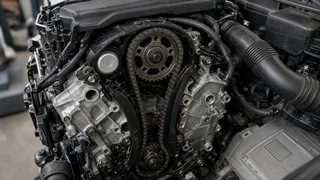
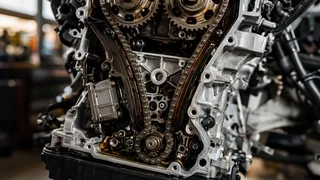
Mercedes M271 timing chain problems
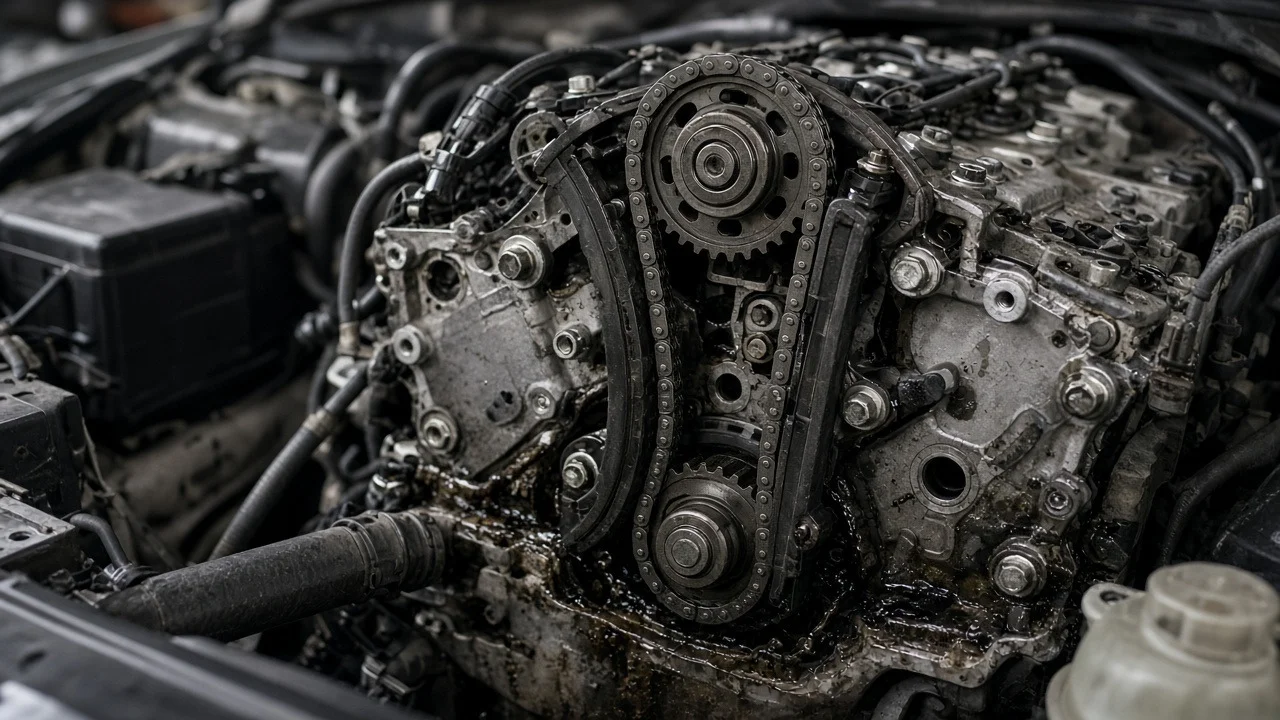
The Mercedes M271 engine is a compact gasoline four-cylinder used in several C-Class, E-Class, and related models, and its timing chain arrangement has become a frequent ownership concern. When the chain, tensioner, or guide components wear, engine timing can drift enough to affect starting, idle quality, and long-term valvetrain health. Understanding why the M271 engine timing chain problems occur helps owners interpret noises, diagnostic codes, and inspection findings before a minor symptom becomes an expensive repair.
Essential answer
The essential issue with the M271 timing chain is that wear or loss of tension can allow the chain to run slightly loose or the camshaft and crankshaft relationship to shift. Because this is an interference-style valvetrain in many configurations, enough timing variation can bring valves and pistons into contact, causing major internal damage. The concern typically centers on the single-row chain, tensioner behavior, and guide material rather than on one universal failure that affects every engine equally.
Engine configuration and service history matter when judging risk. An engine with frequent cold starts, extended oil-change intervals, or consistent low-speed operation may expose the chain and guides to different wear conditions than one with steady operating temperatures and documented maintenance. Manufacturer specifications for oil viscosity and change intervals are part of the picture because adequate oil pressure and condition affect tensioner operation and chain lubrication.
Diagnosing a problem
A short rattle at cold start is one observable symptom commonly discussed with the M271 engine timing chain, because the tensioner may take a moment to pressurize or the chain may briefly run slack. A noise that continues after warm-up, changes with engine speed, or is accompanied by rough running deserves closer inspection rather than assumption. Observable checks begin with listening for where the sound is strongest near the timing cover and noting the symptom conditions, including oil temperature and how long the noise lasts.
Diagnostic codes related to camshaft position or correlation are evidence to investigate, not proof that the chain or tensioner has failed. A stored code may indicate a sensor reading outside an expected range, but sensor function, oil-control solenoids, wiring, and mechanical timing all need consideration. If the engine runs poorly, loses power, or develops a hard metallic knock, continued operation can increase the chance of severe valvetrain damage, so professional diagnosis and a timing inspection should take priority.