Mercedes-Benz Maintenance Service: How the Schedule Works and How to Follow It
Following Mercedes-Benz maintenance service means servicing the car on the manufacturer schedule for its specific model, model year and powertrain. On many US-market models, that schedule alternates between a smaller visit and a more comprehensive one, with additional items added at set points. Each visit is triggered by time or mileage, whichever comes first. The exact interval and the work included are not the same for every Mercedes-Benz. The maintenance booklet, the owner's materials and the service reminder in the instrument cluster are the references for your car, not a generic list.
What Mercedes-Benz Maintenance Service Covers
Maintenance service is the preventive work the manufacturer specifies to keep the vehicle operating as designed. It covers fluid and filter changes, inspections of wear items and replacement of parts that age with time or use. It is different from repairs, which fix a fault after it appears. It is also different from recalls, which correct a defect identified by the manufacturer. A maintenance visit may reveal a needed repair, but the repair itself is not part of the scheduled service.
Mercedes-Benz groups this work into scheduled service items. Some recur at every visit, some at every other visit, and some only at longer time or mileage milestones.
Service A and Service B
For many recent US-market models, Mercedes-Benz uses two alternating base services, commonly called Service A and Service B.
Service A: the lighter visit. It typically centers on an engine oil and filter change, fluid level checks, tire and brake inspections, and a general vehicle check. Service B: the more comprehensive visit. It generally includes the Service A work plus additional items, such as cabin air filter replacement and a broader inspection. Add-on items: work tied to its own time or mileage interval rather than to A or B. Depending on the vehicle, this can include brake fluid, spark plugs, air filters, transmission service, coolant or other components.
The precise contents of each service vary by model year, engine, transmission and market. Hybrid, plug-in hybrid and fully electric Mercedes-Benz models follow different schedules. EVs have no engine oil service at all, though items such as brake fluid, cabin filters, tires and cooling systems still need attention. Treat the A/B description as a framework, and confirm the specific items for your vehicle.
Time and Mileage: Whichever Comes First
Each service interval has both a time limit and a mileage limit, and the service is due when either one is reached. Low-mileage owners sometimes assume they can skip a visit because they have barely driven. However, engine oil, brake fluid and coolant degrade with age as well as with use. Brake fluid, for example, absorbs moisture over time whether or not the car is driven. A car that sits most of the year still needs its time-based services.
The Service Indicator in the Instrument Cluster
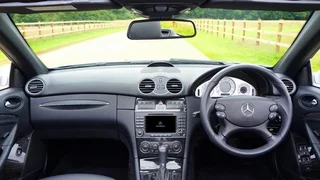
Many Mercedes-Benz vehicles have an onboard maintenance reminder, historically known as ASSYST. It displays the type of service due and the remaining time or distance in the instrument cluster or infotainment system. On some vehicles, the system adjusts its calculation based on how the car is used. On others, it counts down a fixed interval. Either way, it is designed to reflect the manufacturer schedule for that car.
The indicator only works properly if it is reset after each service. Dealers and properly equipped independent shops reset it as part of the job. If someone else does the work, confirm the reset was done, or the reminder may show the wrong next service. If the indicator and the printed schedule seem to disagree, a Mercedes-Benz service department can explain which applies to your vehicle.
How Operating Conditions Affect the Schedule
The standard schedule assumes typical driving. Some uses put extra stress on the vehicle and may call for shorter intervals or extra inspections, as described in the owner's materials:
Frequent short trips where the engine rarely reaches full operating temperature; Heavy stop-and-go city traffic or extended idling; Towing or carrying heavy loads; Dusty, sandy or unpaved roads; Very hot or very cold climates; Track use or sustained high-speed driving
If your driving matches one or more of these, servicing more often than the base interval is a reasonable choice. Dusty conditions are a good example: engine and cabin air filters may clog sooner and need replacing before their scheduled point.
Dealer or Independent Shop
In the US, federal law generally prevents a manufacturer from voiding a warranty just because maintenance was done somewhere other than a dealer. The work must still follow the manufacturer schedule and use parts and fluids that meet the required specifications. If a failure is shown to result from improper maintenance or wrong parts, coverage for that failure can be denied, so the quality of the work matters.
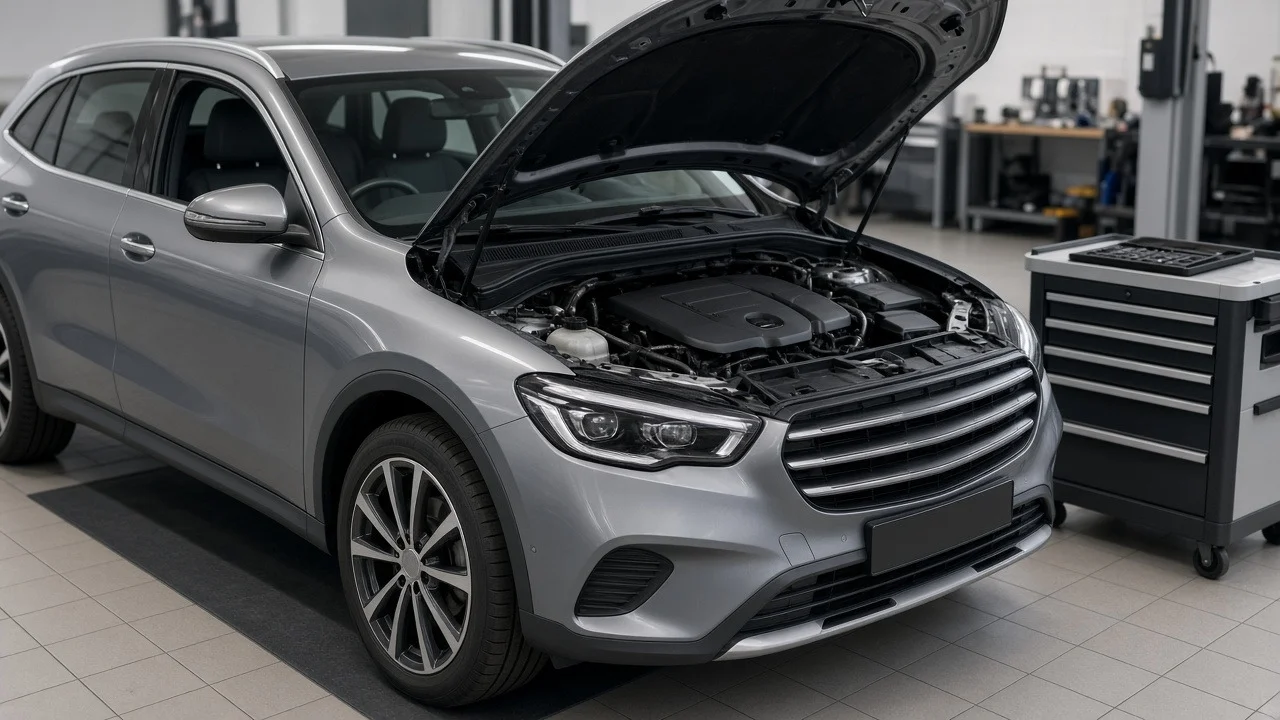
Mercedes-Benz dealers have factory diagnostic equipment, current technical information and direct access to recall and campaign status. A qualified independent specialist may cost less and can be a good fit, especially for vehicles out of warranty. Whichever you choose, make sure the engine oil meets the Mercedes-Benz approval specification listed for your engine, not just a general viscosity grade. Mercedes-Benz also offers prepaid maintenance plans in the US for some vehicles. Whether one is worthwhile depends on the plan terms, the vehicle and how long you expect to keep it.
Keeping a Maintenance Record
A complete maintenance record helps with warranty claims, troubleshooting and resale. Dealer visits are typically logged in Mercedes-Benz's service history system. Work done elsewhere is not always logged there, so keep your own copies. For each visit, save an invoice that shows:
Date and odometer reading; Service performed (for example, Service A, Service B or a specific add-on item); Parts and fluids used, including the oil specification; The shop's name; Any findings or recommended follow-up work
How to Follow the Schedule for Your Car
Identify your exact model, model year and powertrain, and find the matching maintenance schedule in the owner's materials or through a Mercedes-Benz service department. Check the service indicator for the next service type and the remaining time or distance. Decide whether your operating conditions call for shorter intervals. Book the service before the time or mileage limit is reached, and ask which add-on items are due at that visit. Confirm the service reminder was reset afterward. File the invoice with your maintenance record.
The schedule your specific vehicle calls for, applied at the right time and documented properly, is what following Mercedes-Benz maintenance service comes down to. Use the A/B pattern as a guide, and rely on your car's own schedule and service indicator for the details.