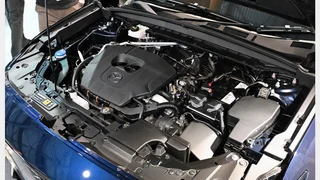
Mazda CX-5 low engine oil pressure warning

A Mazda CX-5 low engine oil pressure warning is a serious message that requires immediate attention. This warning typically illuminates when the oil pressure sensor or control circuit reports pressure below a safe threshold, and it often appears with language about engine damage possible. Unlike a routine maintenance reminder, it is not a request for an oil change. It means lubricant delivery may be compromised, and continued operation can rapidly accelerate wear. Understanding the difference between a sensor fault, control circuit issue, and a real lubrication failure is key to protecting the engine.
Essential answer
The essential answer is that the warning indicates a loss of adequate oil pressure, not necessarily a low oil level. The difference matters because topping off the crankcase may not clear the condition. The system monitors resistance to flow, not just volume. In some Mazda CX-5 vehicles, a “low engine oil pressure warning” can appear if the oil is old, diluted, or the wrong viscosity, causing a pressure drop. It can also flag a malfunction in the oil pressure control circuit.
A “stuck on” code for the engine oil pressure control circuit means the module has commanded a state but received implausible feedback. This could be a faulty control solenoid, wiring, or a sensor. However, a code is evidence to investigate, not proof a part has failed. Without confirming the root cause, replacing the sensor or solenoid is guessing. The warning means stop use when safe and inspect, especially if engine noise, rough running, or high temperature accompanies it.
Diagnosing a problem
Start with an engine oil pressure inspection before driving further. Checking the oil level and condition on level ground is safe and logical. If the level is fine, note whether the oil smells like fuel or appears excessively thin. Fuel dilution in direct-injection engines can lower viscosity and pressure. If no obvious level or dilution problem exists, the next step is confirming pressure with a mechanical gauge, not assuming a faulty sender.
A low reading on a mechanical gauge supports a lubricant delivery problem, such as a pickup screen blockage or a failing oil pump. A normal reading while the warning remains active points to an electrical issue in the sensor or control circuit. Since the warning can mean engine damage is possible with continued use, it is not appropriate to rely on resetting the light or clearing a diagnostic trouble code without investigating the actual pressure condition.