Mazda Cosmo
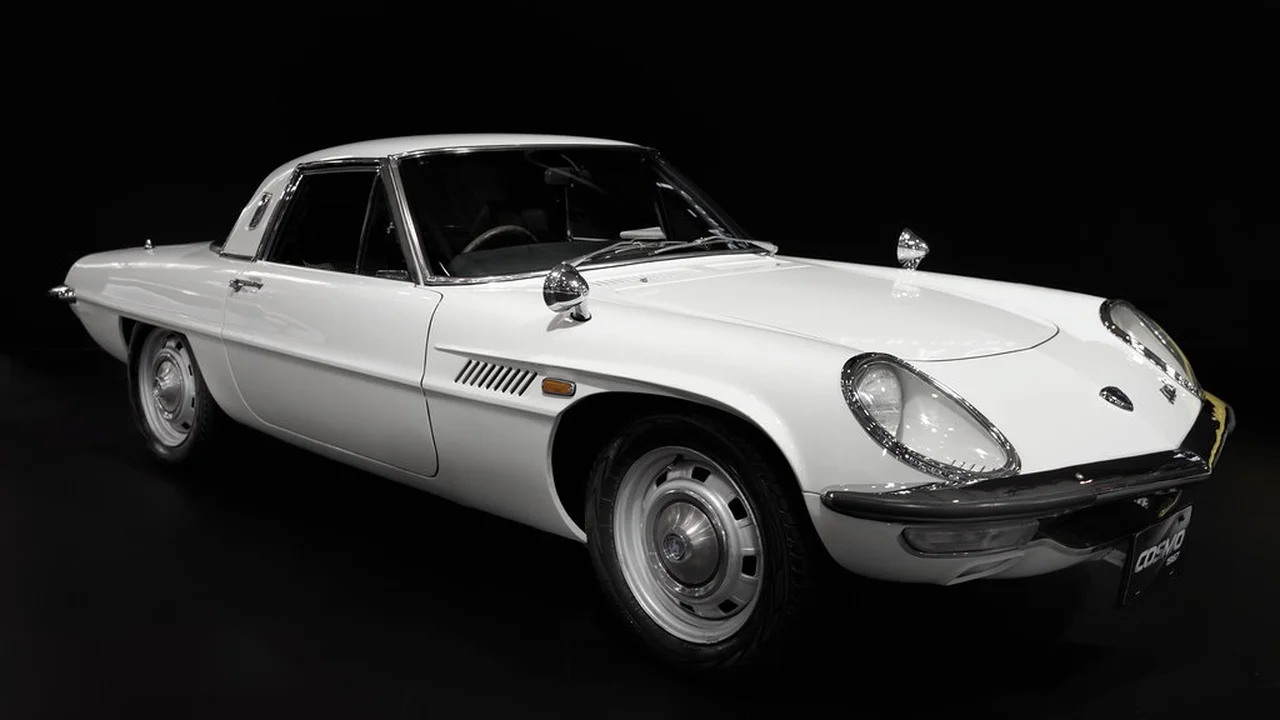
The Mazda Cosmo is more than a single car; it is a nameplate that connects two distinct chapters in Mazda’s engineering history. For readers researching this vehicle, the term can refer to an early production rotary sports car or a later luxury grand tourer, depending on the model generation. Understanding which generation is being discussed shapes every specification, from powertrain configuration to body style. This overview explains how the Cosmo line developed and why its identity varies across model years and market specifications.
Essential answer
The Mazda Cosmo was a series of vehicles produced in different eras, most notably recognized as the first Mazda production car powered by a rotary engine. The original 1960s Cosmo Sport established Mazda’s Wankel rotary credentials in a compact, futuristic coupe body style. Later generations, sold primarily outside North America, moved toward a larger personal luxury coupe with different powertrain configurations, including multi-rotor Wankels. Therefore, the correct answer depends on whether someone means the early sports model or the subsequent grand tourer line.
Vehicle identification for a Cosmo requires attention to model generation and market specification, because trim levels and engines varied significantly by region and year. A first-series Cosmo Sport is a short-wheelbase two-seat coupe, while a later Eunos Cosmo is a substantial luxury platform with advanced electronics for its time. Buyers and enthusiasts should confirm the specific chassis and engine series rather than assuming all Cosmo models share the same parts, tuning, or driving character. This distinction prevents confusion when comparing service information, values, or historical significance.