Mazda 3 Tire Cupping
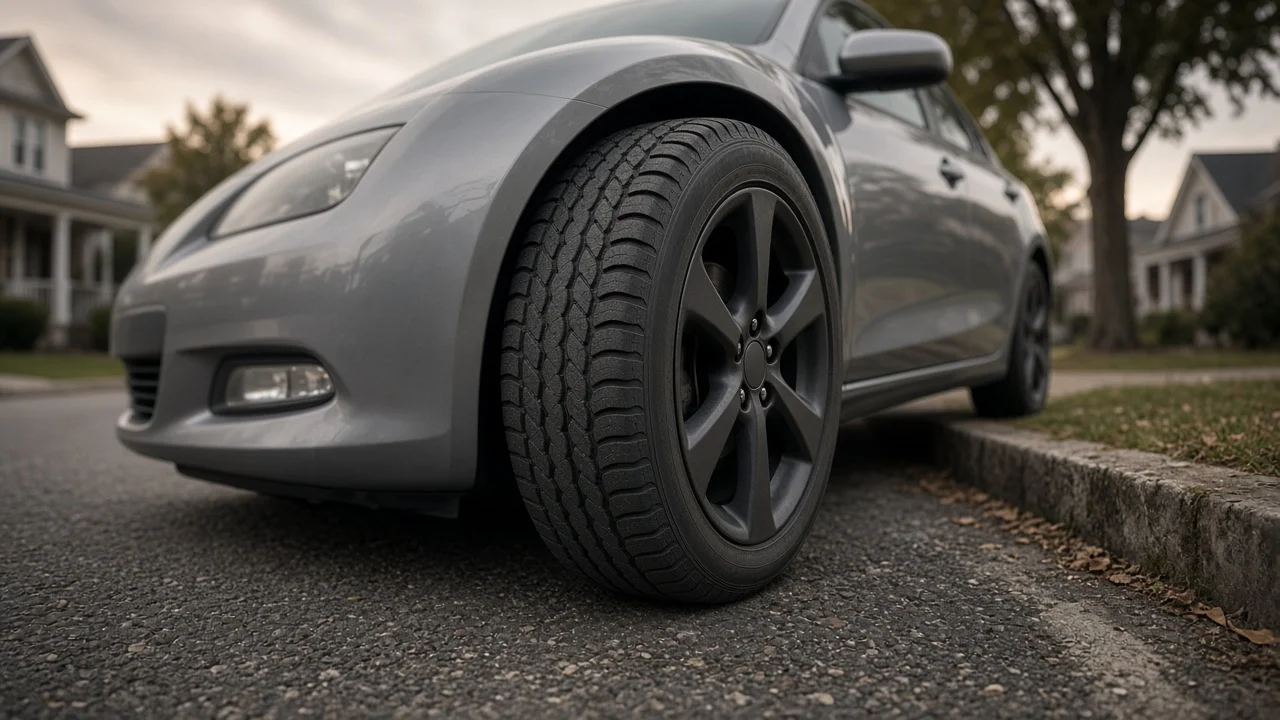
Tire cupping on a Mazda 3 typically appears as a rhythmic, scalloped wear pattern along the tread, often heard as a growling or rumbling noise that changes with speed. This condition usually means the tire is not rolling smoothly against the pavement, causing high and low spots to develop around its circumference. Because the Mazda 3 is valued for precise steering and a composed ride, cupped tires quickly degrade handling, increase cabin noise, and shorten tread life. Understanding why the pattern forms helps you address the underlying suspension, alignment, or damping issue before replacing tires and having the same uneven wear return.
Essential answer
Tire cupping, sometimes called scalloping or chopping, is a diagnostic clue rather than a standalone tire defect. It indicates that a wheel assembly is allowing excessive or uncontrolled movement as the tire contacts the road. On a Mazda 3, the most common contributors include worn shock absorbers or struts, deteriorated suspension bushings, and alignment settings beyond the manufacturer’s intended range. The resulting motion lets the tire skip and bounce slightly instead of maintaining constant contact, which shaves material from the tread in an alternating pattern. Left unaddressed, the noise grows louder and the vibration becomes more noticeable.
Load-related factors also influence how quickly cupping develops. The vehicle placard lists the recommended tire size, inflation pressure, load index, and speed rating for the Mazda 3, and deviating from those values can change how the tread meets the pavement. Underinflation allows excessive sidewall flex, while overinflation concentrates wear in the center of the tire. Matching replacement tires to the original specifications and maintaining consistent pressure helps reduce uneven loading. Cupping is not usually resolved by simply rotating the tires; the mechanical cause must be corrected first, or the new set will begin wearing the same way.