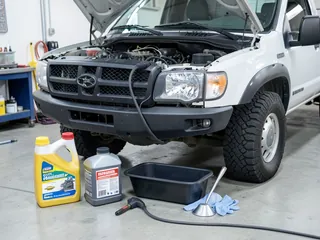
Carquest engine oil filter

Choosing a Carquest engine oil filter comes down to matching the filter to your vehicle and the way you use it. The filter is a service item, but it directly affects the lubricant’s ability to protect bearings and moving surfaces. Before buying, look up the correct part number using the equipment identification method for your engine. Then confirm the filter’s construction, bypass valve behavior, gasket fit, and the lubricant specification the engine requires. A well-chosen canister makes the oil change cleaner, the oil pressure stable, and the next service interval more predictable.
The direct answer
A Carquest engine oil filter can be a suitable replacement when it matches the exact application listed for your vehicle. The answer is not universal, because a filter that threads on may still have the wrong internal relief setting, the wrong gasket diameter, or insufficient media capacity for the fill quantity. Start with the car’s year, engine option, and any severe-service conditions. If the catalog listing, including the manufacturer approval or interchange, lines up with the lubricant specification and the vehicle’s oil system, the filter is a reasonable choice for a normal interval.
The key condition is that a filter is never selected by thread size alone. The canister must seal against the mounting surface, clear nearby exhaust or suspension parts, and tolerate the hot oil pressure the engine produces. A filter with the correct bypass pressure protects the engine at cold start and at wide-open throttle, while a wrong calibration can send unfiltered oil through the engine at the wrong time. Confirming the application for the exact vehicle identification is the step that turns a commercial decision into a maintenance decision.