Harley Evo Sportster maintenance schedule
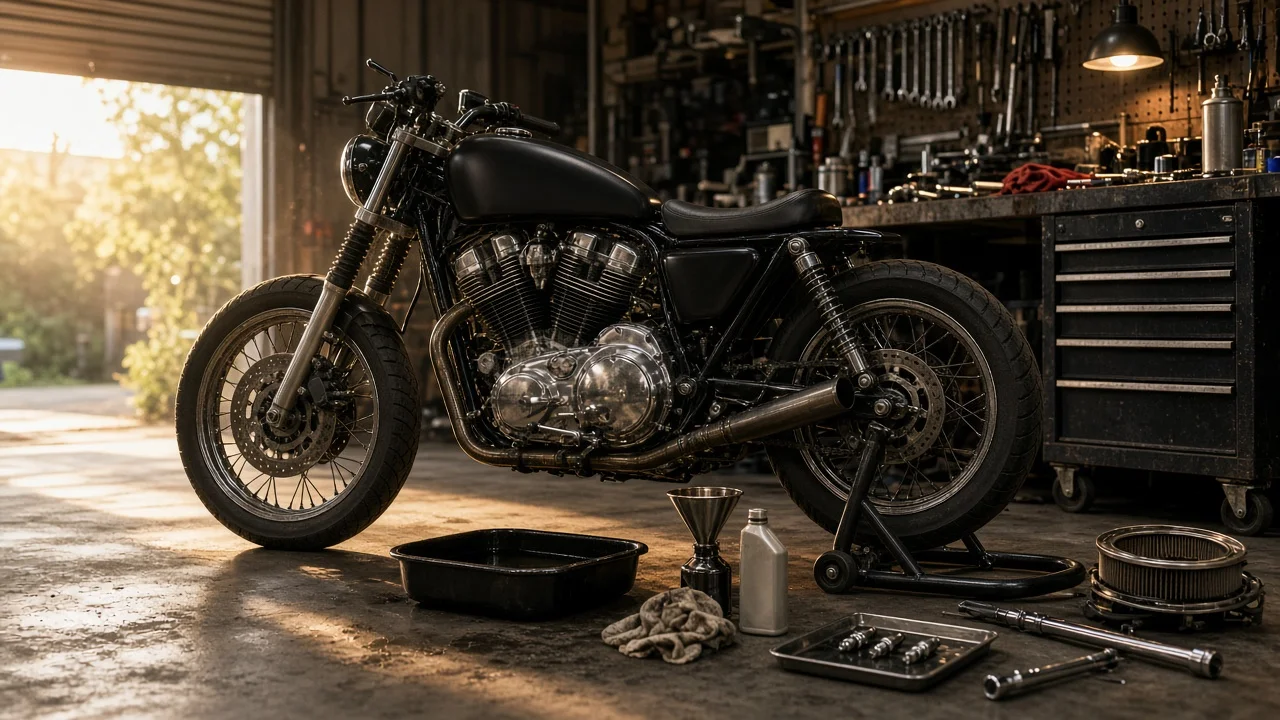
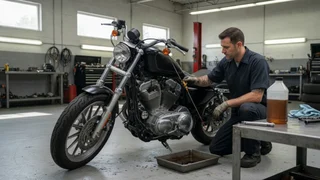
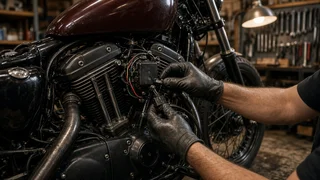
A Harley Evo Sportster maintenance schedule turns the factory service outline into a practical ownership rhythm. Instead of reacting to leaks, noise, or hard starting, the rider works from time and mileage checkpoints that match how the Evolution engine actually wears. The right schedule accounts for oil condition, primary chain adjustment, fastener security, and the vibration that loosens components gradually. Because operating conditions vary, the schedule is a baseline rather than a guarantee. Riders who keep a maintenance record can spot drift early and avoid letting a minor adjustment become a roadside failure.
Essential answer
The essential answer is that an Evo Sportster schedule follows periodic service intervals rather than a single universal checklist. Air-cooled V-twin heat cycles, shared engine and transmission oil in some years, and sustained vibration all make regular attention more important than long gaps. Each scheduled service item should be judged by both miles ridden and months elapsed, because sitting unused allows seals to dry, fuel to degrade, and battery charge to fall. The schedule is therefore a rolling plan, not a one-time repair.
Start by treating the manufacturer schedule as the core structure and then adjust it for how the motorcycle is actually used. Short trips, dusty roads, stop-and-go heat, and frequent cold starts are harder operating conditions than steady highway cruising and may shorten intervals. Record the date, mileage, and completed items after each service. When the bike is new to an owner, completing baseline fluid changes and inspections establishes a known starting point even if service history is incomplete. That approach keeps the maintenance schedule useful without inventing exact factory numbers.