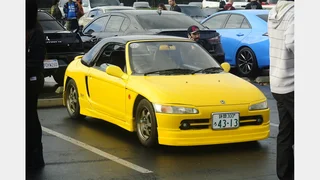
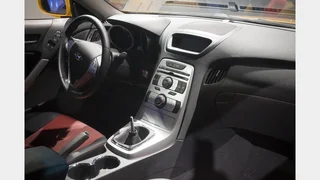
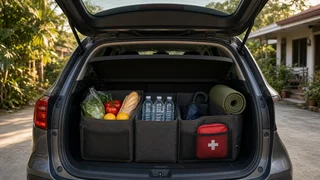
Honda kei car in the Philippines
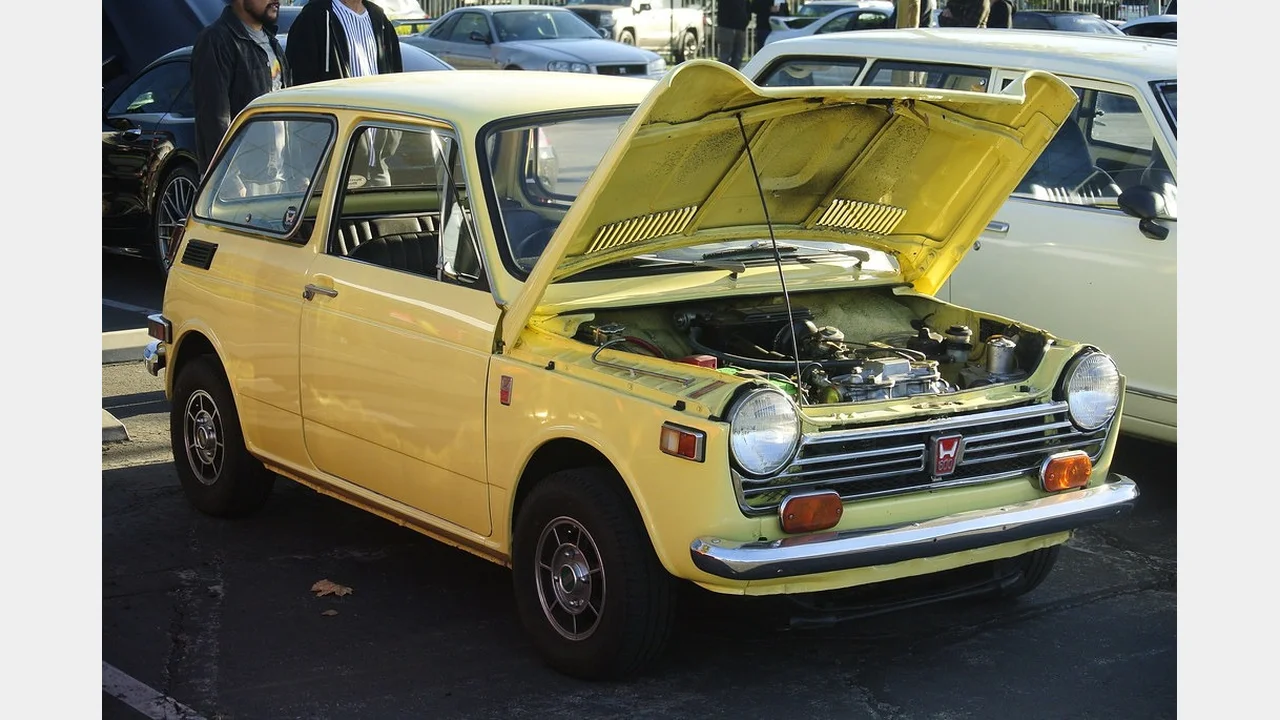
A Honda kei car in the Philippines occupies a narrow but interesting corner of the used import market. Shoppers often encounter these tiny Japanese domestic models through specialty importers or surplus dealers, yet the vehicles were never sold through Honda’s official Philippine dealer network. Understanding what a kei class Honda actually is, how its body configuration and powertrain layout differ from common local subcompacts, and what that means for daily use helps a buyer evaluate the appeal and the practical limitations before pursuing one.
Essential answer
The essential answer is that a Honda kei car in the Philippines is an imported Japanese market vehicle built to Japan’s kei dimensional and displacement rules, not a locally distributed Honda model. These cars use compact body configurations such as tall wagons or micro vans, typically with three- or four-cylinder engines of roughly 660 cc. Because Honda did not sell this vehicle class through Philippine dealerships, examples arrive through used import channels, which affects parts availability, registration history, and the kind of inspection a buyer should expect.
The Honda kei car occupies a distinct market segment from common Philippine subcompacts and city cars. While a B-segment hatchback or sedan prioritizes broader cabin space and larger engine displacement, a kei model is engineered around narrow width limits, short length, and tax-driven powertrain constraints. The seating layout is still practical for four occupants in many tall wagon designs, but the vehicle class is fundamentally a Japanese regulatory category. Philippine ownership therefore involves adapting to an import-only footprint, unique model generations, and body types rarely seen in the mainstream local lineup.