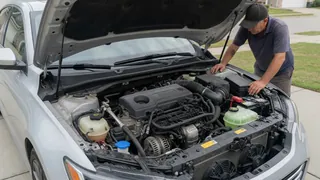
Under-hood maintenance checks
When a hood is opened for routine care, the goal is not simply to spot an obvious drip or cracked hose. Under the hood maintenance is a deliberate inspection of the systems that manage heat, lubrication, ignition, braking, and accessory drive function. A methodical walk-around helps an owner separate normal aging from conditions that deserve closer attention before they shorten component life. Without needing advanced tools, consistent checks turn early signs such as residue, fluid movement, noise, or discoloration into useful service decisions tied to the vehicle’s manufacturer schedule, time and mileage, and operating conditions.
Essential answer
Under the hood maintenance is best understood as a scheduled visual and tactile review of accessible engine bay systems, not a single repair procedure. Its scope includes fluid levels and condition, belt and hose appearance, battery connections, air filtration, coolant recovery, and signs of leaks or heat damage. The value comes from repeating these inspections at a service interval that reflects both time and mileage. A short-trip commuter, a trailer-towing pickup, and a car used in dusty or stop-and-go conditions can reach different wear points even when their odometers read similarly.
A practical inspection should answer whether the engine bay looks stable since the last check or whether something changed. For example, a slightly low brake fluid reservoir may simply reflect normal pad wear, while a repeated drop can point to a developing leak. Likewise, hardened radiator hose ends, powdery residue near a battery terminal, or a loose accessory belt can be meaningful even before a warning light appears. The check is not about proving a part has failed; it is about building a maintenance record that connects observations to scheduled service items and helps prioritize the next step.