Mazda Miata Japanese origin

When shoppers search for “Miata Japanese,” they are usually asking two related things: whether the Mazda Miata is a Japanese car and what the name means in its home market. The short answer is that the Miata is designed and built by Mazda, a Japanese automaker, but that model name is primarily used in North America. In Japan the same lightweight roadster wears a different badge, which explains much of the confusion. Understanding this naming difference also clarifies how one vehicle can have separate identities in different market specifications.
Essential answer
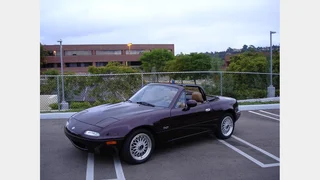
The Mazda Miata is Japanese in origin. Mazda engineered and manufactured the two-seat roadster, and the car’s chassis, engine, and assembly reflect the company’s Hiroshima-based development work. However, the name Miata is mainly a North American market specification. When a buyer asks about its Japanese identity, the useful distinction is between the vehicle’s national origin and the label printed on the trunk lid in different regions.
In the Japanese domestic market, the same roadster has historically been sold as the Eunos Roadster and later as the Mazda Roadster. The term “Miata” does not have a formal Japanese-language definition; it was chosen for export branding. Some owners note a possible Old High German root meaning reward or prize, but that is not the meaning used by Mazda’s Japanese marketing. The Japanese name Roadster simply describes the open-top body style and driving purpose.
History and development
The roadster’s development began as a project to revive the affordable British-style sports car using reliable Japanese engineering. The first model generation debuted at the 1989 Chicago Auto Show for North America, while Japanese market introduction followed under the Eunos brand. That timing means the car was presented internationally almost simultaneously, but the badge and trim level names varied by region from the start.
Over later model generations, Mazda gradually aligned the global naming. The Japanese Eunos Roadster label disappeared, and the car became the Mazda Roadster at home while North America kept the Miata name. This split lasted even as the powertrain configuration stayed familiar: a front-engine, rear-wheel-drive layout with a manually operated soft top. The differing badges are therefore a market-specific naming choice, not evidence of a separate vehicle origin.