Hyundai concept cars
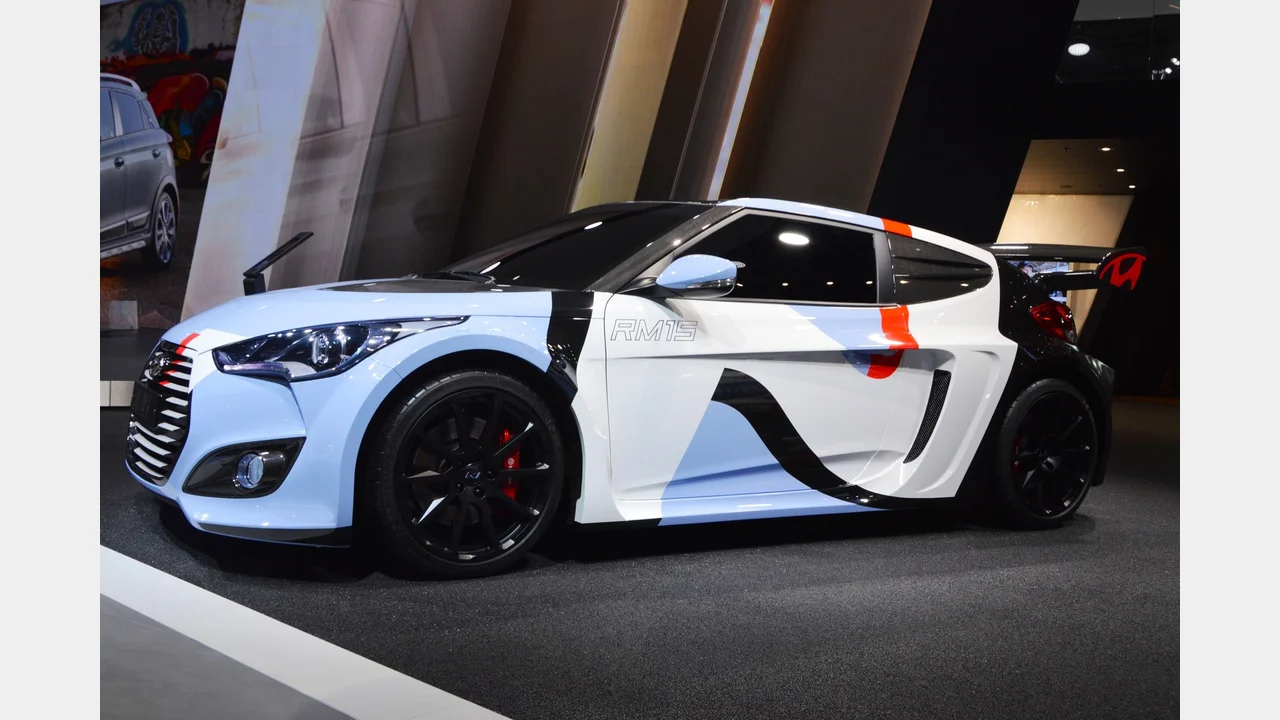
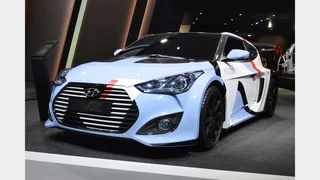
Concept vehicles give Hyundai a way to test bold proportions, materials, and propulsion ideas before committing them to a production period. When you research a Hyundai concept car, you are looking at a rolling design study rather than a model you can order from a dealer. Some concepts preview a coming model generation or market introduction, while others explore layouts that may never leave the show stand. Understanding that distinction helps you read the design development accurately instead of treating every show car as a confirmed factory specification.
Essential answer
A Hyundai concept car is a manufacturer-built demonstration of future styling, technology, or packaging. It is not a production vehicle sold to the public. Its job is to communicate a design direction, test reactions to a powertrain layout, or introduce a material process that may later appear in a showroom model. Because the vehicle is a proposal, its dimensions, interior details, and mechanical content can change considerably before any related factory specification reaches buyers.
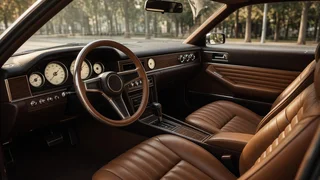
The Hyundai N Vision 74 concept car illustrates this scope. It combines a retro-inspired body with a hydrogen fuel-cell powertrain layout, making it a useful study of how performance branding and alternative energy might meet. Enthusiast attention does not automatically mean a production version is confirmed. The concept signals design development and engineering interest, but its transition to a market introduction depends on cost, regulations, and corporate product planning that a single show car cannot establish.