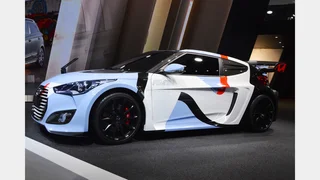
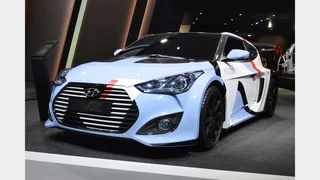
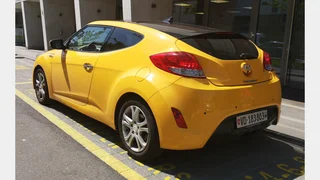
Hyundai concept car retro interior
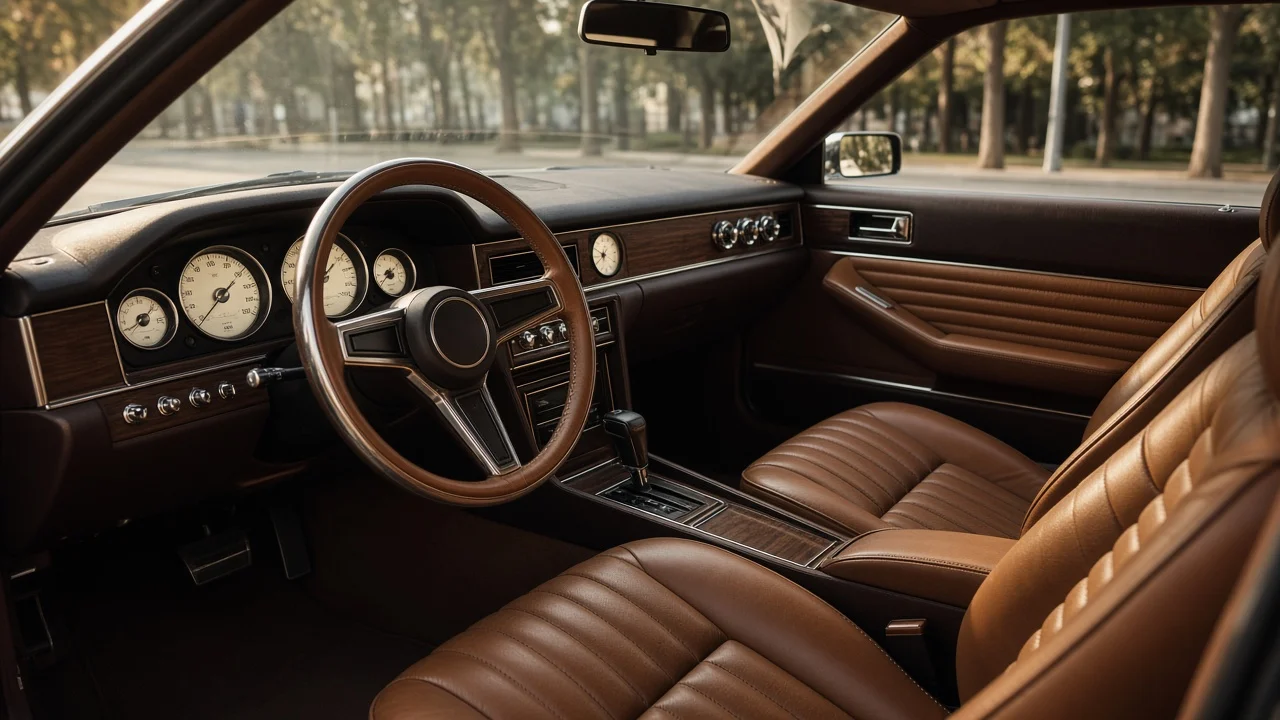
A Hyundai concept car with a retro interior blends familiar vintage cabin cues with modern show-car proportions, materials, and lighting. The look may recall thin-rimmed steering wheels, simple instrument panels, ribbed seat upholstery, or exposed metal details, but the execution usually replaces hard plastics and fragile trim with softer surfaces and digital displays. Because concept cabins are built for display, their interior trim material, attachment points, and finish often differ from production vehicles. Understanding that distinction helps when evaluating photos, renderings, or a physical exhibit.
Essential answer
The essential answer is that a Hyundai concept car retro interior is a design study combining old-fashioned cabin styling with current or future automotive technology. Retro details may include horizontal dashboards, slender pillars, minimal switchgear, woven or perforated seating, and warm colors that suggest earlier decades. However, the car is not necessarily a preview of an exact production model. The cabin is meant to communicate a mood or brand direction, so some shapes are exaggerated and some controls are nonfunctional display pieces.
The scope changes depending on whether you are viewing official studio photography, a motor-show walkaround, or a fan rendering. In a physical concept, designers may use trim material that is attractive under lights but unsuitable for daily wear, and surface preparation may skip the durability steps required in manufacturing. Attachment points can be hidden for a clean look, and material compatibility may favor appearance over long-term service. That means the retro interior should be read as a styling proposal, not as a service manual or an ownership guide for a production vehicle.