Volvo 3.2 timing belt or chain
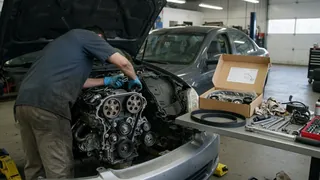
A Volvo with the 3.2-liter inline-six raises a common ownership question: does this engine use a timing belt or a timing chain? The short answer is that the 3.2 is designed with a timing chain, which is a meaningful distinction for long-term maintenance planning. Understanding why changes how you read service history, interpret engine noise, and weigh repair costs. This guide explains the practical difference and what the chain-driven valvetrain means for inspection and ownership.
Essential answer
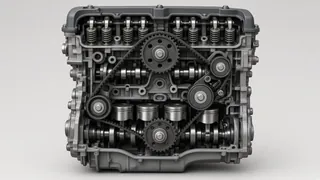
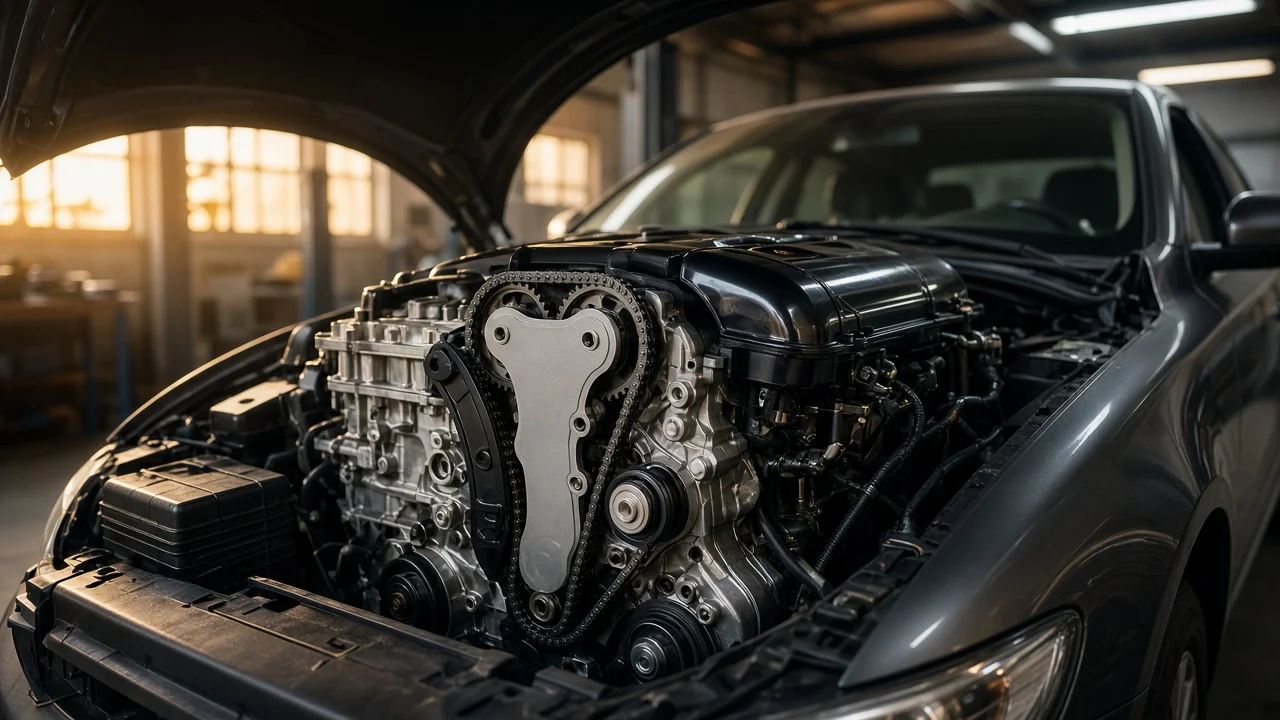
The Volvo 3.2-liter engine uses a timing chain rather than a timing belt. A timing chain is a metal link assembly inside the engine that keeps the crankshaft and camshafts synchronized. On this naturally aspirated inline-six, the chain runs within the front timing cover and is lubricated by engine oil. This design removes the scheduled replacement interval associated with rubber belts, but it still depends on clean oil and proper tensioner operation to remain quiet and accurate over high mileage.
Unlike a timing belt, a chain does not typically fail from age alone. Instead, wear appears gradually through stretched links, worn guides, or a tired hydraulic tensioner. Diagnostic codes for camshaft correlation or noticeable rattling near the front of the engine can point to chain wear. Because the 3.2 is mounted transversely, access for inspection is limited, so engine configuration and a careful look at service history become useful when evaluating a used car or planning a high-mileage repair.