Ram Digital Key
A Ram digital car key moves everyday vehicle access away from a separate fob and toward a secure phone-based credential. Instead of only reaching for a mechanical key or a conventional remote transmitter, you may be able to lock, unlock, and start a compatible truck using a smartphone or wearable device. This approach changes what drivers carry and how access permissions are managed. Understanding its core difference from traditional entry helps owners decide whether the feature fits their routine, security needs, and backup habits. The concept is an extension of modern passive entry rather than a completely new mechanical system.
Essential answer
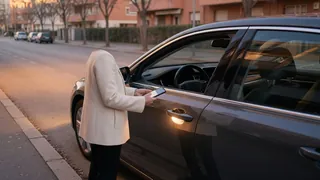
A Ram digital car key is a phone- or wearable-based access credential that can perform functions historically handled by a key fob or mechanical key. In compatible vehicles, the device communicates through short-range wireless protocols after initial key programming ties the digital credential to a specific truck. The phone effectively becomes a remote transmitter that may support passive entry, remote locking, and push-button starting. Because the system depends on the vehicle’s connected-access architecture, exact availability and behavior vary by model year, trim, and connected-service equipment. It is best understood as a software-defined alternative to carrying a traditional transmitter.
The essential difference is that a digital key exists as encrypted data within a secure device wallet rather than as a separate physical object. A conventional remote transmitter sends radio signals from a purpose-built fob, while a digital key uses the phone’s hardware and security elements to approximate that function. This does not automatically remove the immobilizer; the vehicle still must recognize an authorized credential before the engine will start. Digital access may also support sharing temporary permissions with other users, which is harder to do with a standard key. However, a mechanical backup remains useful for battery failures or phone damage.