Ford Bantam Inner CV Joint

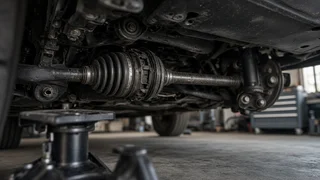
Choosing a replacement inner CV joint for a Ford Bantam means matching the component to the axle shaft, boot condition, and the way the vehicle transmits torque in daily use. The inner joint sits closer to the transmission and accommodates suspension travel and drivetrain loading while sending power to the wheels. Wear, torn protective boots, or poor spline fit can create vibration and noise that may be mistaken for other driveline problems. A practical purchasing decision therefore depends on identifying the joint style, confirming dimensional compatibility, and understanding how the retaining clip and articulation range affect installation and service life.
The direct answer
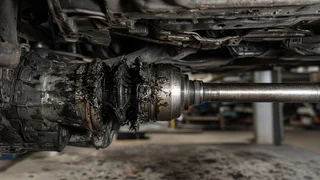
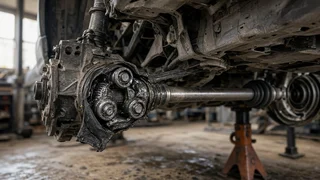
The immediate answer is to treat the Ford Bantam inner CV joint as a drivetrain component that must match the axle shaft and transmission-side interface before purchase. A replacement is appropriate when inspection shows a split protective boot, contaminated grease, visible wear on the joint surfaces, or movement beyond normal articulation limits. The inner joint works differently from the outer joint because it allows the axle shaft to change length slightly while the suspension moves, so even a good-looking outer joint may hide wear at the inner spline fit or tripod area.
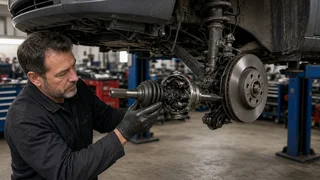
Without confirmed model-specific dimensions or manufacturer cross-reference data, the safe purchase path is to use the existing axle assembly and joint as the physical reference. Compare the spline count, retaining clip style, housing diameter, and boot mounting groove before ordering. A joint that looks similar but has incorrect spline fit or a loose retaining clip can cause excessive play, noise under load, and rapid wear. In commercial use, drivetrain loading is frequent, so even small tolerance differences matter. Condition-based replacement, rather than waiting for complete failure, normally protects the transmission and surrounding axle shaft components.