Car Rocker Panel Rust Repair
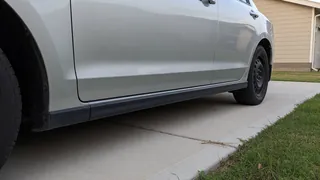
Rust in a rocker panel is more than a cosmetic blemish. This lower body structure sits behind the front and rear wheels, where road spray, salt and trapped moisture constantly attack the steel. Once the outer skin blisters or crumbles, the underlying box section may already be weakened. Car rocker panel rust repair addresses both visible corrosion and hidden structural loss. The right approach depends on how far the damage has spread, whether mounting points are affected, and how the repair will be sealed and protected. Understanding the area helps you choose between a patch, a partial panel replacement, or more extensive reconstruction.
Essential answer
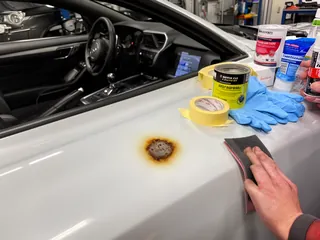
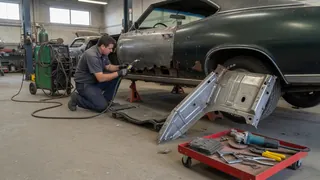
Car rocker panel rust repair means removing corroded steel from the lower sill area and restoring enough strength, shape and corrosion protection for safe use. The rocker is a structural member that connects the front and rear body sections and supports door openings. Surface rust can sometimes be sanded and treated, but deep scaling or perforation usually requires cutting out the damaged material and welding in fresh metal. Because the panel also forms a closed cavity, the repair must preserve drainage and allow future moisture to escape rather than collect inside the section.
The scope changes when corrosion reaches inner reinforcement layers, floor edges or nearby mounting points. In those cases a simple outer patch may hide a weakened foundation. The repair should restore the load path along the sill, not only the visible contour. Properly shaped patch panels, weld-through primers and cavity wax help match the original function. A successful job also checks clearance around doors and trim so the finished rocker does not interfere with normal opening and closing after the corrosion repair is complete.
Diagnosing a problem
Start by inspecting the rocker in good light with the doors open and closed. Bubbled paint, brown staining at drain holes, soft spots under the pinch weld, or flakes pushing through undercoating all suggest corrosion extending beyond the surface. Lightly probing suspect areas can reveal whether the remaining steel is solid or has thinned into scale. Tap testing may show a dull, dead sound where the metal has separated internally. A small visible blister often indicates a larger rust bloom inside the cavity because moisture attacks the panel from behind.
If the outer surface has holes, check whether the inner structure and nearby jacking or suspension attachment points are also affected. A rusted rocker can still look acceptable while the hidden reinforcement loses strength, so probe from access holes or remove a small trim piece to view the backside where possible. Stop using the standard jacking point if the metal around it crumbles or flexes. When corrosion reaches the inner panel, floor seam, or door pillar base, the vehicle may need an experienced body technician to evaluate whether the repair can be safely sectioned rather than simply covered.