Chrysler 200 2015 steering angle sensor location
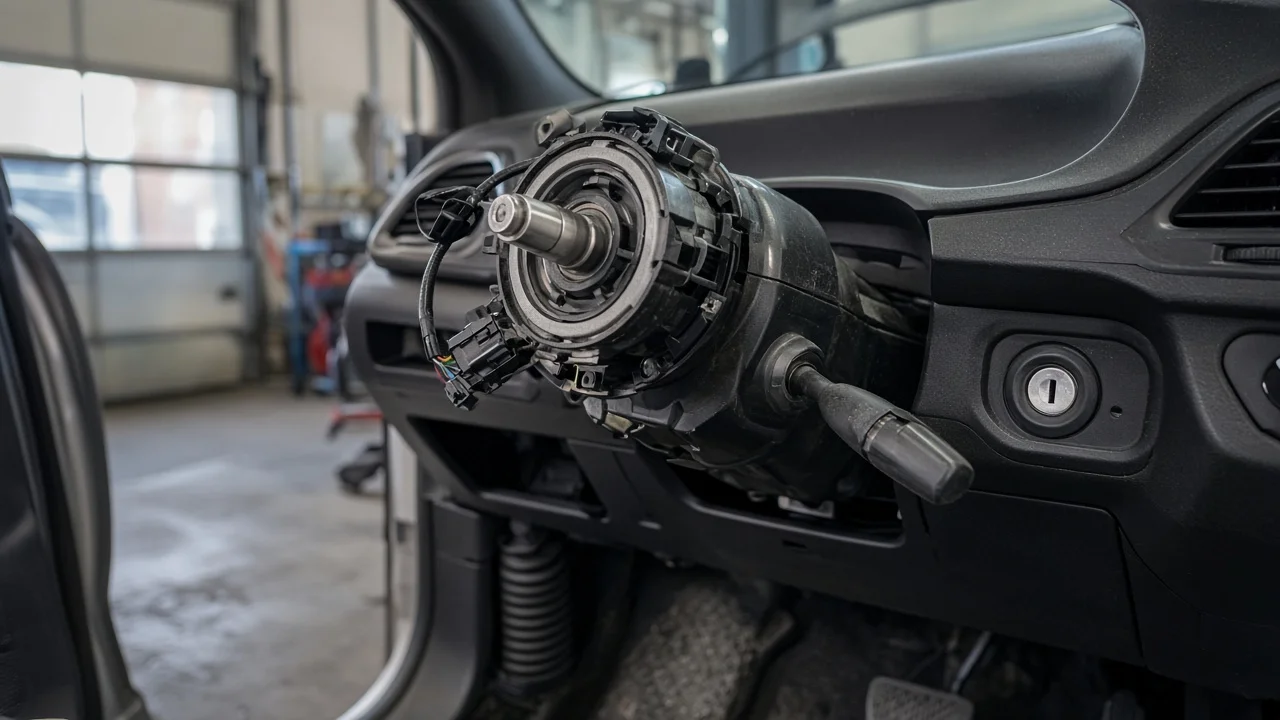
A 2015 Chrysler 200 steering angle sensor helps the stability control system understand driver intent by measuring steering wheel rotation and speed. When this input becomes inaccurate, warning lights, traction control behavior, or steering feel may change. The sensor is usually integrated with the clockspring assembly behind the steering wheel, so the search for its physical location often leads to the steering column rather than an external suspension component. Understanding this placement helps clarify repair discussions, diagnostic trouble codes, and whether a replacement involves the column electronics.
Essential answer
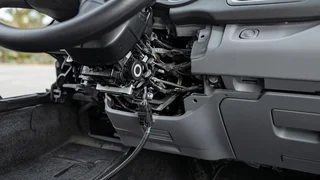
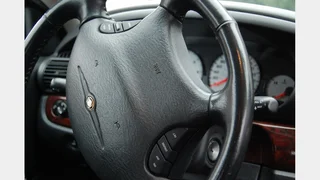
On this platform, the steering angle sensor is typically part of the clockspring module mounted beneath the steering wheel. The assembly reads rotation through the column and sends a signal to the ABS or electronic stability control module. Because it is not a visible under-hood part, a search for the unit should begin at the steering column trim, not the engine bay or suspension. The sensor may be serviced separately on some configurations, while other builds pair it with the clockspring as one replaceable electronic package.
The important distinction is that a stored angle-sensor fault code does not automatically mean the sensor itself has failed. Wiring, a recent alignment without a reset procedure, or a disconnected clockspring during column service can all create a plausible signal-loss condition. For this reason, the essential answer is about location and integration first. Confirming the exact build through the VIN or the original column design is useful before buying a replacement, because the steering system package can vary by trim and option content.
Identification and location
To identify the component, begin by removing or inspecting the upper and lower steering column covers below the steering wheel. The sensor may appear as a circular electronic ring around the column shaft, often combined with the ribbon cable for the airbag and steering wheel controls. It should not be confused with the electronic power steering motor, which is typically located lower on the column or integrated into the steering rack and uses a torque sensor rather than an angle sensor. Position accuracy in the stability system depends on a clean, centered signal from this column-mounted ring.
Location cues include the wiring connector leading into the clockspring area and the need to center the sensor after installation. Unlike a navigation device that relies on coordinates and location permissions, a steering angle sensor uses internal magnetic or optical encoding to report steering wheel position relative to a learned center. Route information is not relevant, but device settings and relearn procedures are. After column work, some vehicles require a steering angle reset through a scan tool so the ABS module can distinguish straight-ahead travel from a slightly off-center wheel position.