Chrysler 200 Steering Angle Sensor
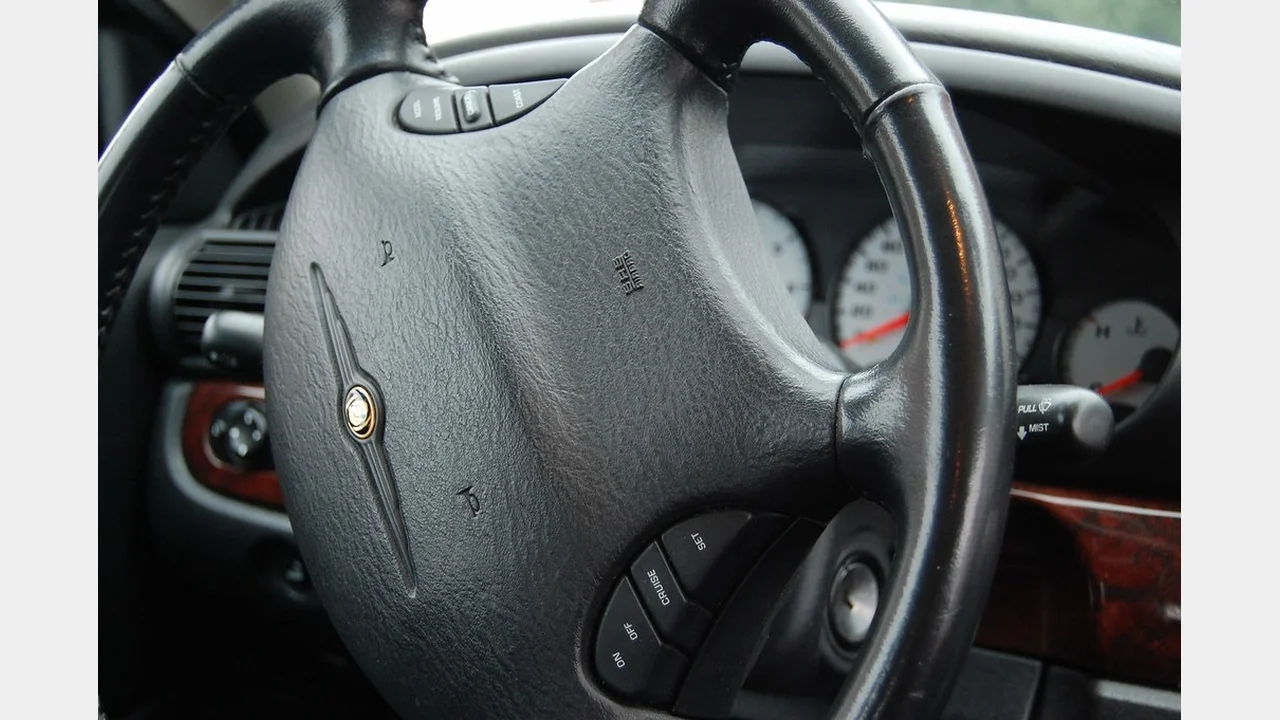
A steering angle sensor in a Chrysler 200 tells the stability and traction systems where the driver is pointing the front wheels. When that signal drifts, is missing, or disagrees with other chassis data, the vehicle may illuminate a warning lamp, reduce assists, or log a fault that points toward the steering column area. Understanding the sensor’s role and common failure clues helps owners separate a true electronic fault from an alignment change, low battery event, or connector issue before replacing parts.
Essential answer
The steering angle sensor on a Chrysler 200 is an electronic input that measures steering wheel position, direction of rotation, and rate of movement so modules such as the ABS and electronic stability control can judge whether the vehicle is following the driver’s intended path. It is commonly associated with the steering column area, where it may read a magnetic or optical index as the wheel turns. The sensor itself does not create assist; it supplies reference data that other systems compare with yaw, wheel speed, and lateral acceleration inputs. A concern with this sensor can appear as reduced stability intervention or a stored chassis fault, but the code is a starting point for diagnosis rather than proof that the sensor has failed.
Several influences can produce a steering angle signal that looks faulty even when the sensor is intact. A recent wheel alignment or steering component replacement can shift the relationship between the steering wheel and the road wheels, leaving the sensor’s center position inconsistent with the vehicle’s actual straight-ahead heading. Low system voltage, connector corrosion, damaged wiring, and mechanical wear or joint play in the column or suspension mounting points can also disturb the signal. Ride height changes or loose components may create small steering corrections that the sensor reports accurately while the vehicle behaves unexpectedly. Because manufacturer-dependent diagnostics and reset routines vary, confirmation should include checking the live data, wiring, and mechanical condition rather than assuming an internal sensor defect.